Analysis: Structural barriers hindering cotton revival plan


 0
0
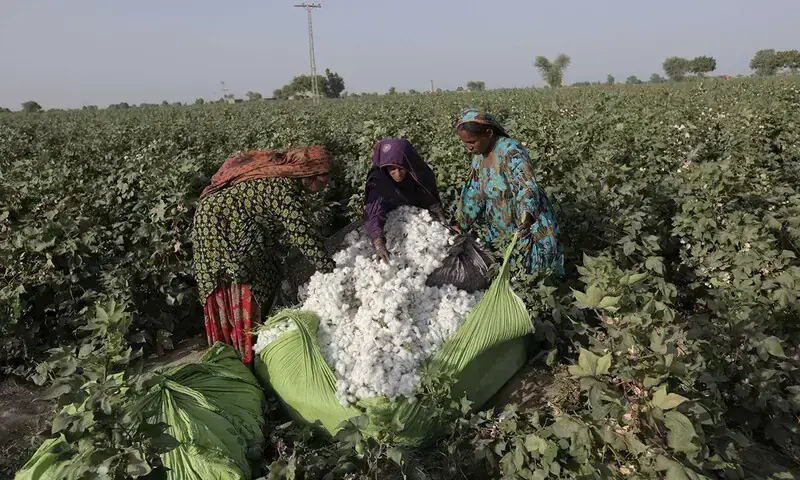

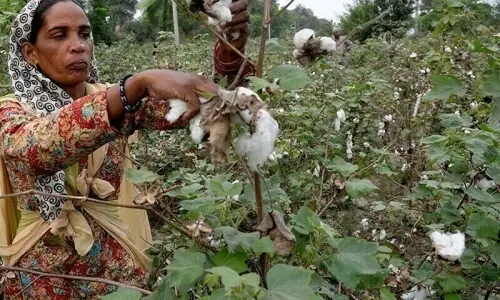
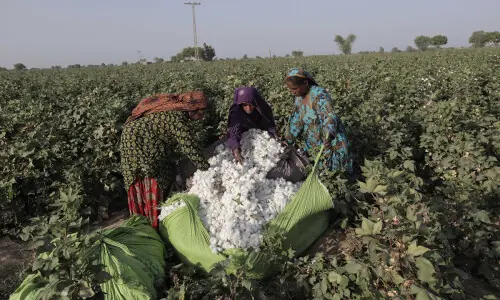
PAKISTAN’S cotton sector has once again entered the season with ambitious official targets and deep uncertainty on the ground. The Federal Committee on Agriculture has set a production target of 9.64 million bales for the 2026-27 crop, to be cultivated on 5.33 million acres, but growers, ginners and textile players remain divided over whether the country can even come close to achieving that figure.
The scepticism is understandable. Last season, Pakistan produced only around 5.6m bales against a target of 10.2m bales, one of the sharpest shortfalls in recent history. Over the years, cotton acreage has steadily shrunk, yields have stagnated, and the country has increasingly relied on imports to keep its textile industry running.
The latest projections by the United States Department of Agriculture (USDA) paint an equally worrying picture. The USDA estimates Pakistan’s cotton production for the upcoming season at around 6.94m bales, while domestic consumption is projected at 14m bales. That gap means the country may have to import over 7m bales during the year.
The consequences are already visible. Textile mills have started importing cotton from the US and Brazil even before the new ginning season has properly begun. Industry reports suggest Pakistani mills recently bought over 206,000 bales from the US alone, accounting for almost the entire weekly US export sale. The import bill for cotton could cross $1bn this year.
Pakistan targets 9.64m bales for 2026-27, but shrinking acreage, sugarcane expansion, and import reliance cast doubts
Yet the crisis has also triggered an unusual development: cotton prices have surged to historic levels, encouraging many growers to return to the crop after years of losses. Phutti prices have crossed Rs12,000 per 40kg in some markets, compared to less than Rs6,000 during previous seasons, while lint prices are hovering around Rs23,000 per maund.
In Sindh, growers appear more confident than they have in years. Senior vice-president of the Sindh Abadgar Board Syed Nadeem Shah says nearly 1.3m acres have already come under cotton cultivation and hopes the provincial target will be achieved before the sowing window closes.
According to him, better seed availability, sufficient irrigation water, and relatively limited pest pressure have improved farmers’ sentiment. He believes pest attacks have shifted more towards sugarcane fields as sugarcane cultivation has expanded sharply over the past few years.
Punjab officials are also projecting optimism. The province aims to cultivate cotton over 3.46m acres with an output target of 5.553m bales.
But despite the positive official narrative, structural problems that have haunted the cotton sector for years remain unresolved.
At the centre of the debate is the unchecked expansion of sugarcane cultivation in traditional cotton-growing areas. Cotton stakeholders argue that policy decisions continue to favour sugar despite the country already producing surplus sugar annually.
The controversy intensified further after the approval of more sugar mills in southern Punjab, particularly around Rahim Yar Khan and adjoining areas along the Sindh border. Cotton industry representatives see the move as a direct threat to the crop’s survival in one of its most important regions.
Cotton Ginners Forum Chairman Ihsanul Haq says Rahim Yar Khan once cultivated nearly 800,000 acres of cotton, but the area has shrunk drastically because of expanding sugarcane cultivation and the growing number of sugar mills.
According to him, sugarcane has not only displaced cotton acreage but also altered the region’s microclimate by increasing humidity, thereby creating favourable conditions for viral diseases such as cotton leaf curl virus.
His criticism reflects wider frustration within the cotton sector. Pakistan continues to spend billions of dollars on imports of cotton and edible oil, while traditional cotton zones steadily shift towards sugarcane. Industry stakeholders warn that weak enforcement of crop zoning laws has played a major role in the collapse of cotton production from nearly 15m bales years ago to almost one-third of that level today.
The Pakistan Cotton Ginners Association (PCGA) has gone to the extent of appealing to political, judicial and military authorities to stop the establishment of new sugar mills in the cotton belt.
Taxation policies are another major source of concern.
Growers and ginners complain that locally produced cotton continues to face an 18pc General Sales Tax while imported cotton enjoys relative advantages. Syed Nadeem Shah believes such disparities discourage local cultivation and create uncertainty among farmers at a time when the country desperately needs to increase domestic production.
Ahmad Jawad of the Pakistan Business Forum has also urged the government to abolish GST on cottonseed and oilcake, arguing that existing taxes are raising production costs and undermining farmer profitability.
Ihsanul Haq claims the cotton ginning sector is facing an effective “84pc sales tax impact”, which has pushed many businesses towards undocumented trade practices.
Meanwhile, the textile sector itself is struggling with rising electricity tariffs, expensive gas, high financing costs and multiple taxes.
Industrialists warn that unless the government reduces the cost of doing business, Pakistan’s textile exports will continue to lose competitiveness against regional rivals.
The sector has also suffered from years of neglect in seed research and institutional development.
The government has finally allowed cottonseed imports after decades, but the decision came too late to influence the current sowing season. The Standard Operating Procedures for imports were issued when sowing was almost complete, effectively limiting the policy’s immediate impact.
Ihsanul Haq argues that areas such as Cholistan, parts of Sindh and Balochistan continue to produce quality cotton using local seed varieties because sugarcane cultivation there remains limited. In his view, the bigger issue is not simply seed quality but the absence of coherent crop planning and enforcement of zoning laws.
The government, however, appears increasingly conscious of the seriousness of the crisis. Federal Minister for National Food Security Rana Tanveer Hussain has assured growers and industry representatives that cotton revival remains a priority and that practical proposals would be considered in the upcoming budget.
Punjab has also sought Chinese cooperation in cottonseed research and germplasm development. Provincial authorities hope technical collaboration with China can help improve seed technology and strengthen climate resilience in agriculture.
Still, reversing the decline will not be easy.
Pakistan’s cotton crisis is no longer just an agricultural issue. It has become deeply linked with industrial policy, taxation, water management, research failures and competing economic interests. Official production targets may generate optimism at the start of every season, but unless long-term structural reforms are implemented, the gap between targets and actual output is likely to persist.
The country still has the land, the farming experience and the industrial demand needed for a cotton revival. But restoring production to earlier levels will require far more than temporary incentives and policy announcements. It will require consistent decision-making, serious investment in research, enforcement of crop zoning laws and a broader recognition that cotton remains central to Pakistan’s economic future.
Published in Dawn, May 27th, 2026