Higher Education Commission asked to curb drugs in educational institutions
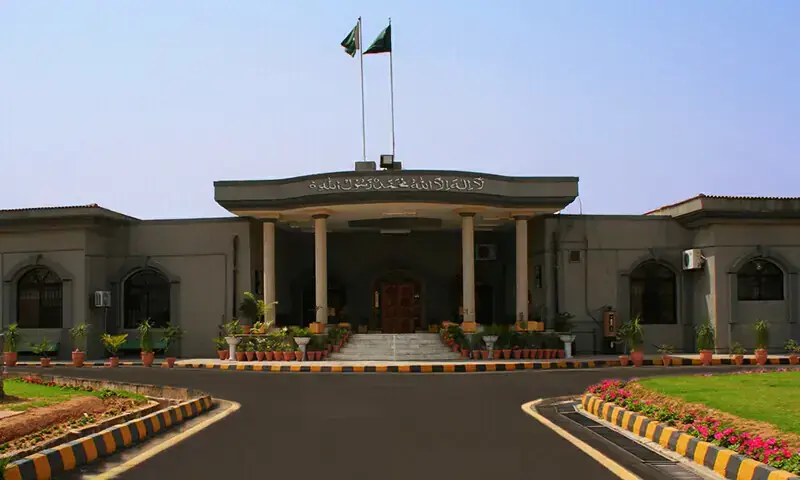
ISLAMABAD: The Islamabad High Court on Tuesday directed the Higher Education Commission (HEC) to include officials of the Anti-Narcotics Force (ANF) and police in its monitoring committee while seeking a detailed report on measures taken to curb the use and sale of drugs in educational institutions in the federal capital.
Justice Raja Inaam Ameen Minhas, hearing a petition related to the eradication of drugs in educational institutions, also directed the Ministry of Federal Education and Professional Training to get anti-drug rules approved by the federal government.
During the hearing, officials of the HEC, Interior Ministry, Deputy Attorney General Faisal Irfan, ANF prosecutor Rana Zulfiqar, counsel for the Pakistan Electronic Media Regulatory Authority (Pemra) and petitioner Advocate Kashif Malik appeared before the court.
During the proceedings, Advocate Kashif Malik referred to the case of Anmol Pinki, who was arrested in a drug-related case in Karachi, and informed the court that allegations had also surfaced regarding the involvement of riders and delivery personnel in drug transportation.
At this, Justice Minhas observed that he had been pointing out since the beginning that drugs were being transported through riders and delivery personnel.
HEC officials informed the court that educational institutions had designated specific areas for riders and delivery personnel and that anyone entering campuses in that capacity was checked beforehand.
The judge, however, directed the authorities to ensure regular monitoring in educational institutions and submit compliance reports before the court. He further directed the Islamabad district administration to intensify monitoring and take concrete measures against drug trafficking.
Advocate Kashif Malik argued that after universities and colleges, narcotics had now become common in schools as well, adding that even students of seventh and eighth grades were using drugs.
Another counsel informed the court that narcotics were also easily available at small grocery stores in Islamabad.
The court subsequently directed the Islamabad Capital Territory Police to strengthen monitoring and anti-drug operations.
During the hearing, Justice Minhas also inquired about DSP Legal Sajid Cheema from the police legal branch and remarked that the officer had been performing well in the case. The newly appointed Inspector Legal informed the court that Sajid Cheema had been transferred as DSP Headquarters.
The judge observed that officers performing efficiently should not be replaced.
Published in Dawn, May 20th, 2026