Leather exporters flag high costs
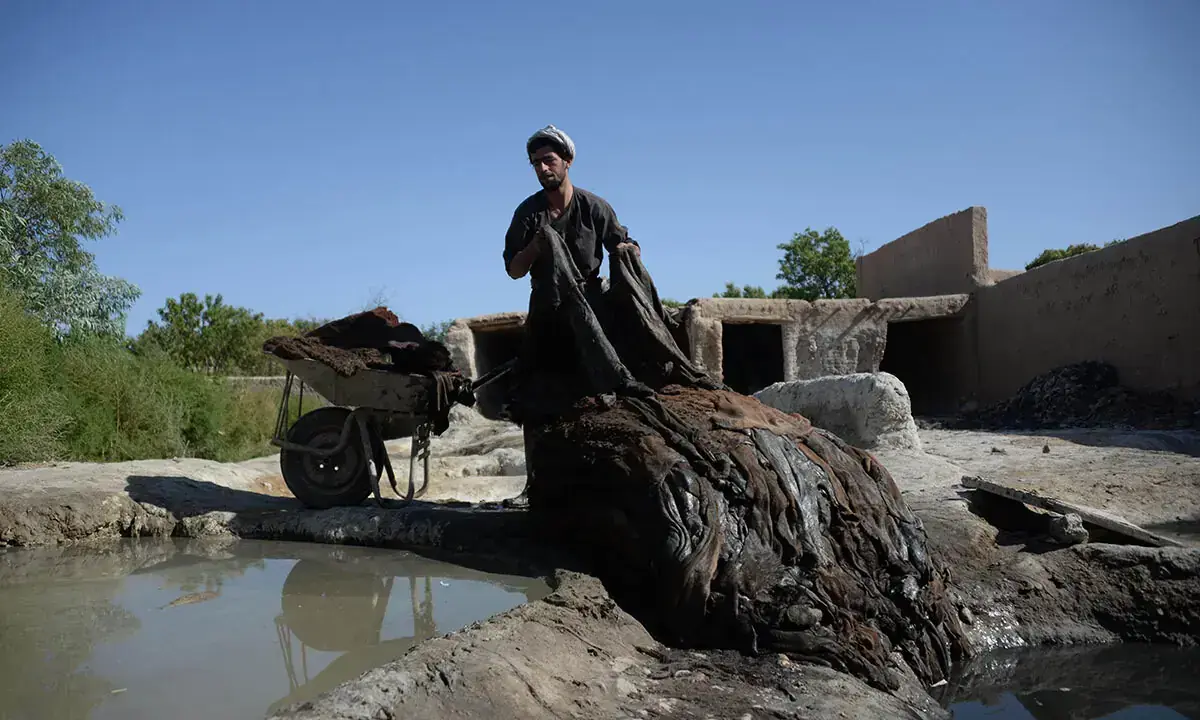
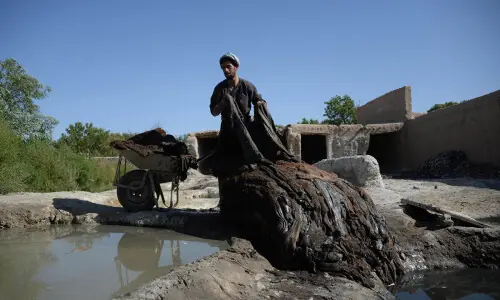
ISLAMABAD: The value-added leather sector has urged the government to revisit high taxation rates, fragmented compliance requirements, and high production costs in the upcoming budget to fully harness the export potential of the sector.
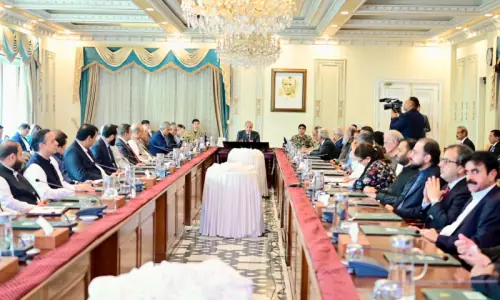
The proposals were presented on Thursday in a meeting with Commerce Minister Jam Kamal Khan by representatives of the leather industry. The meeting discussed the sector’s export performance, competitiveness challenges, taxation pressures, market access issues, and reform proposals aimed at strengthening industrial growth and export potential.
An official announcement said that during the meeting, industry representatives highlighted that despite Pakistan’s strong livestock base, established manufacturing expertise, and export capability in leather garments, gloves, footwear, handbags, and other value-added products, the sector continues to face multiple structural constraints.
The delegation raised concerns regarding the cumulative burden arising from multiple inspections, approvals, certifications, and taxation by federal, provincial, and municipal authorities. Participants emphasised the need for a simplified and harmonised compliance framework and a one-window taxation channel to improve the ease of doing business and reduce operational inefficiencies.
Seek lower duties, simpler compliance in budget proposals
The rising cost of doing business remained a major concern. Stakeholders pointed to challenges in import financing and high duties on industrial raw materials, which they said were adversely affecting export competitiveness and limiting the sector’s ability to expand in international markets.
Industry representatives also shared preliminary budget proposals, including tariff rationalisation, duty adjustments on raw materials, and tax relief measures for export-oriented manufacturing units.
The participants stressed that exporters should be supported across the broader industrial ecosystem, including affordable access to inputs, financing facilities, improved market access, and greater regulatory efficiency.
The leather industry further highlighted export growth opportunities linked to Pakistan’s livestock potential, expansion of the value chain, and stronger penetration into regional and international markets.
Mr Kamal acknowledged the concerns raised by stakeholders.
Published in Dawn, May 15th, 2026