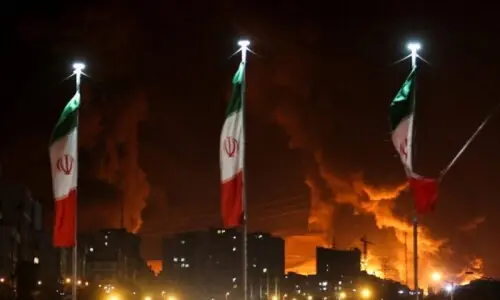
GLOBAL suffering continues as uncertainty over the fate of the war in the Middle East refuses to dissipate. Market analysts and decision-makers have repeatedly warned that the economic damage already wrought — and worsening daily as vital shipping routes through the Strait of Hormuz remain closed — could take months, in some cases years, to reverse.
Every day that passes without clarity on how and when the war will end introduces fresh intensity to the uncertainty roiling global markets and adds to the economic turmoil the world must bear because of it. Iran may have been pummelled militarily but refuses to accept defeat.
The consensus in foreign intelligence circles is that it may be able to endure for a lot longer before economic pressure forces it to reconsider its position. The US, for its part, seems to be losing the endgame, with its leadership’s obduracy drawing it deeper into a quagmire which is not easy to exit.
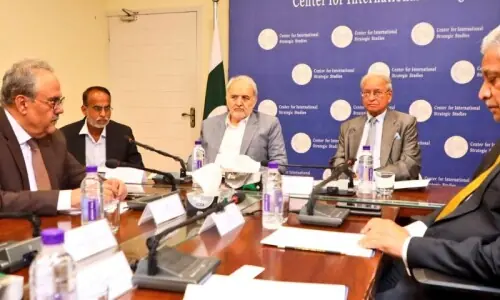
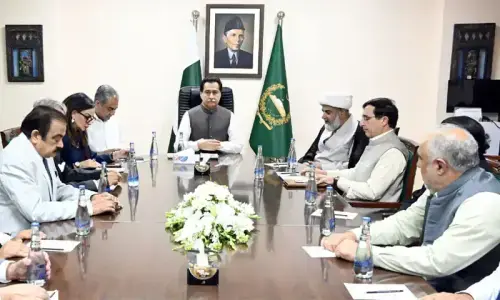
Thankfully, the diplomatic process continues even as both sides, at least publicly, continue to signal that they are still far from arriving at any amicable settlement. Pakistan continues using its good offices in both capitals to coax them towards a mutually acceptable agreement. Other countries, notably Qatar, have also lent their weight to the efforts to mediate the crisis. Recent signals from regional powers, most notably Saudi Arabia, indicate that key stakeholders remain wary of this conflict’s actual goals and possible outcomes, and are likely to keep their distance from it.
Taken together, these may be healthy signs for those still hoping for peace despite Washington’s rumblings about the ceasefire being on “life support”. Still, the threat from spoilers remains, and recent efforts to bring Pakistan’s role into question, such as news reports casting aspersions on its neutrality, should prompt Islamabad to tread with care and defend itself forcefully wherever it can.
It is hoped that both Iran and the US can soon reach some sort of agreement. In Iran, things seem to have been complicated by hard-line factions’ efforts to assert themselves more forcefully in the talks with the US. Meanwhile, in Washington, US President Donald Trump seems to want to claim complete victory without any acknowledgement of how limited America’s gains have been. A workable settlement will require concessions from both — Tehran accepting limitations on its nuclear capabilities and Washington accepting that total capitulation is not on offer.
Neither will get everything it wants, and the sooner each accepts that, the less damage the world will have to absorb. They would also do well to remember that the longer the stalemate drags on, the more goodwill they will lose in world capitals, including in those countries otherwise sympathetic to their positions. It is best they end this quickly, before more is lost.
Published in Dawn, May 13th, 2026