0
0

THE idea of society divided along the lines of lineage or professional and economic well-being has remained the hallmark of civilisations. Take ancient India’s entrenched caste system — which continues today — in which people were divided into the Brahmins, Kshatriyas, Vaishyas, Shudras and the untouchables. Similar classifications existed across feudal Japan and mediaeval Europe. Yet, the idea of equality among citizens around the world has taken centre stage. From movements calling for gender equality to campaigns calling for the abolishment of racial inequalities, the world has come a long way.
Never one to shy away from legislative excellence, Pakistan has codified the idea of equality of its citizens as a fundamental right in Article 25 of its Constitution. As per the article, every citizen of Pakistan is equal, irrespective of class, lineage, profession, background, resource or designation. And yet, Pakistan remains as divided today as it has ever been.
There are classes in society, which have quietly taken shape and the citizens of this great nation have learned to accept it. Much like the civilisations of old, this new ‘caste system’ in Pakistan is based on wealth, profession, designation, proximity to the ruling elite, and religious beliefs.
In Pakistan, the ruling elite, the MNAs, MPAs, senators and the top echelons of the civil and military bureaucracy constitute Level 1 — the Supernovas. They sit at the top of the system. This caste, by virtue of association, includes their kith and kin, and frequently incorporates benefactors and close friends too. Level 2 consists of the Royals — the have-beens or second in line.
They breathe the same air, yet their lives are different.
They include those who’ve had their day in the sun and are now in the twilight of their careers. Included in this category are their families who live off their accomplished loved one’s past glory. Level 2 also includes the top echelons of the judiciary and businessmen who hold sway over the economy. They have the ear of the state that is ready to tend to their grievances. These are also the movers and shakers of the corporate world, the bears who control the stock exchange and dictate tax policy (as far as the IMF permits).
Then comes Level 3 — the Babus — consisting of the state’s middle management, officials who are not quite at the top but nonetheless have sufficient sway by way of their designation in the service of the state. These would include police, the DMGs and the Foreign Office top guns, and may also encompass most of the elite starting from Grade-18 up. These people may not be as protected or as powerful as Level 1 and Level 2, yet they remain very aware of their sphere of influence and jealously guard their privileges.
Then comes Level 4 — the Allies, or those who wield influence because of their designation and professions and relative wealth. This class includes the religious clergy, who enjoy respect because they preach the tenets of faith, leaders of the legal fraternity, doctors (specifically those who are treating any person from Level 1, 2 or 3), smaller feudals, and those with sufficient wealth to live comfortably — in other words, those whose influence may not wield political results, but nonetheless commands local respect.
Finally, there is Level 5 or the mere mortals — the people meant to serve, who belong to the middle class, the lower middle class and include those desperately trying to make ends meet. They can be further subdivided into economic classes but that would be a disservice to their struggle.
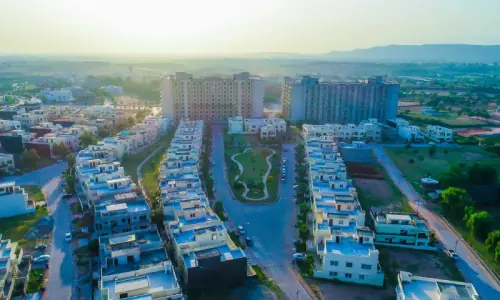
If you want to look at the real manifestation of these class systems, the case of Nasla Towers, once populated by ordinary citizens in Karachi, and of One Constitution Avenue in the capital are prime examples. The first one was demolished under the monitoring of the Supreme Court, while evictions from the latter were halted on the intervention of the prime minister because it was evidently meant to house the Supernovas, the Royals and the Babus.
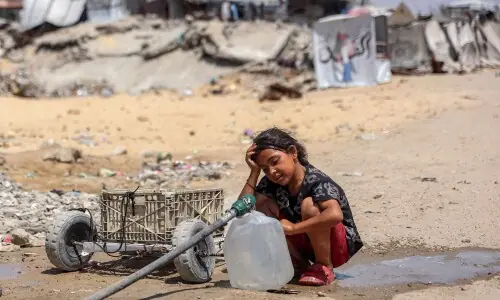
The mere mortals live in the same country, breath the same air and use the same roads and yet their lives are different. Take the deaths in Karachi of citizens falling into potholes or being crushed to death by dumpster trucks; these luckless people had dared to step out of their homes.
Could a similar fate await the Supernovas, the Royals, the Babus or even the Allies? No, because they travel in pomp, in their uber luxury sedans and SUVs, living a life of luxury and insulated from the harsher realities of Pakistan.
The mere mortals remain the most inferior at the level of citizenship. These are people stuck in an endless loop of helplessness. Unless something changes for the better, they will remain mere mortals, the new age commoners, the new age peasants, the new age Shudras.
The writer is a lawyer.
Published in Dawn, May 12th, 2026