Situationer: Punjab set to launch land-lease scheme amid concerns


 0
0
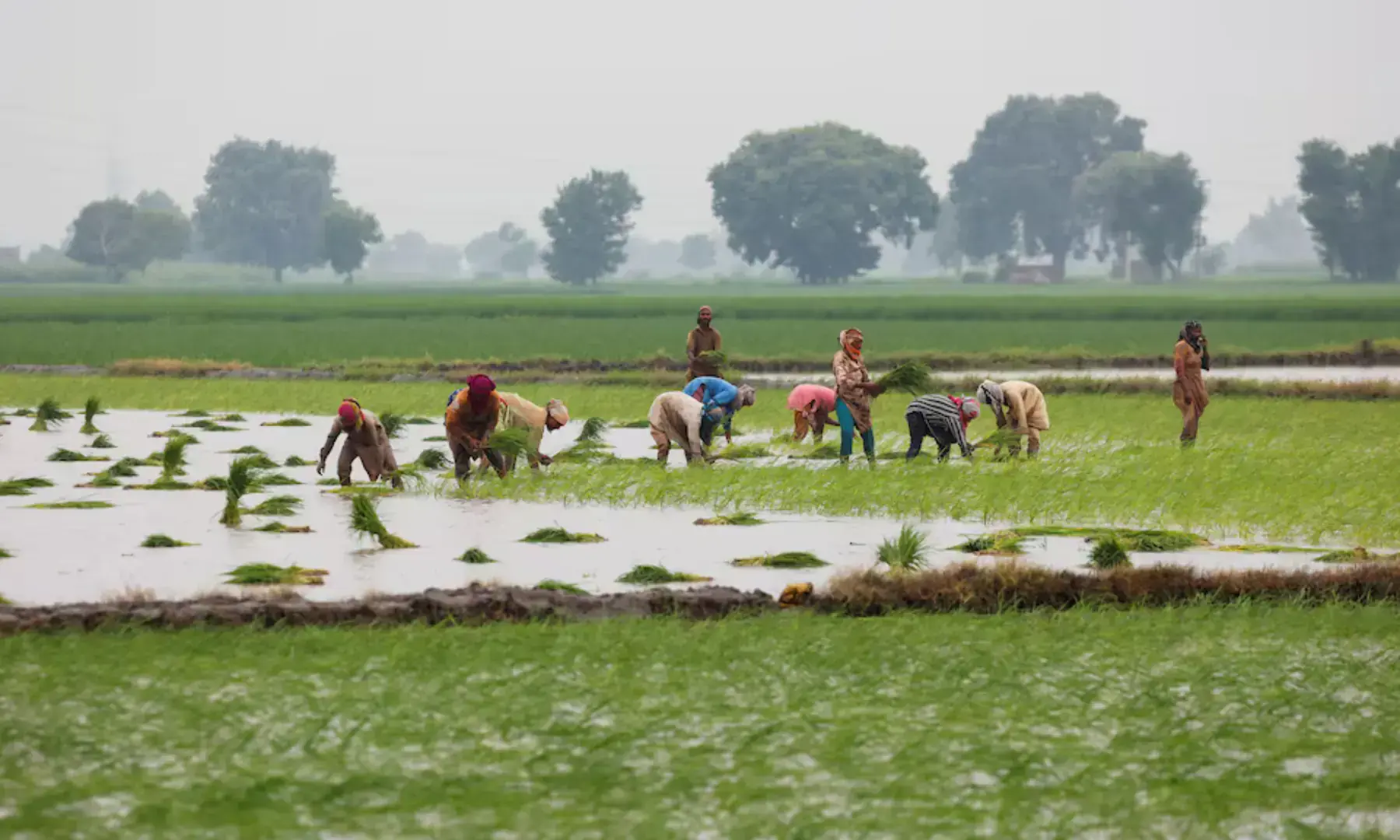

WITH just 124,363 acres of state land identified for immediate rollout, the Punjab Board of Revenue has set the stage for operationalising the Apna Khet, Apna Rozgar (AKAR) scheme — an ambitious but contested land-leasing initiative of the provincial government that aims to bring unused land into cultivation while empowering landless farmers.
The initiative, spearheaded by the Punjab government led by Maryam Nawaz, is being described by officials as a data-driven intervention, relying on GIS-based land mapping and digital systems to identify, allocate, and monitor agricultural land across districts and parts of the Cholistan region.
However, even as the scheme promises opportunity, it has triggered debate among farmer groups and policy experts over its structure and long-term viability.
According to official data, the identified land is being divided into mouza-wise agricultural lots of up to five acres, each approved by district collectors. These plots are being offered on a 10-year lease, extendable for another 10 years, with the state retaining ownership and no proprietary rights granted to the allottees.
Critics warn of funding shortfalls for landless farmers, advantage to influential figures
The financial model has been pitched as pro-poor. Each successful applicant will pay a nominal rent of Rs100 per acre annually, while receiving a one-time development grant of Rs50,000 per acre to support initial farming activities such as land preparation and inputs.
Officials maintain that the land being allocated has been verified as cultivable state land, assessed through parcel-level GIS mapping that captures soil conditions, irrigation sources, and overall suitability.
Eligibility criteria are designed to target the most vulnerable. Only landless individuals, excluding those owning more than 10 marlas of residential land, can apply, with one lot allocated per family. Applicants must be residents of the same revenue estate or nearby areas, while a Proxy Means Test (PMT) score of 32 or below has been set to prioritise economically disadvantaged households.
Strict conditions govern land use. Beneficiaries are required to personally cultivate the land, and its use is restricted exclusively to agriculture.
Permanent structures are prohibited except those necessary for farming. The lease may be cancelled in case of non-payment of rent for more than six months or violation of terms.
While initial responses in policy circles have termed the scheme a pro-poor and reform-oriented intervention, critics argue that its current design may fall short of achieving its stated objectives.
Model questioned
Farooq Tariq, representing Pakistan Kisan Rabita Committee, a network of 36 small farmer organisations, questioned the 10-year lease model, calling it an insufficient incentive for genuine peasants. He pointed out that farmers who have cultivated state lands for generations are being displaced — a reference to Okara military farms and other state-owned farms in Khanewal, Sahiwal, etc. — while these entrants are being offered only temporary tenure.
He argued that ownership, rather than leasing, would create a stronger sense of responsibility and long-term investment among farmers.
Referring to the 83,000 acres identified in Cholistan, he noted that even large corporate farming ventures have struggled due to lack of water, raising doubts about how resource-poor farmers could make such land productive.
Mr Tariq also criticised the financial support package, stating that the Rs250,000 grant for a five-acre plot is insufficient to develop barren land. “One cannot even install a tube well with this amount, let alone arrange other agricultural inputs,” he said, urging the government to first invest in making the land cultivable before allocating it, much as it had made national flag carrier PIA viable before selling it off to the private sector.
Echoing similar concerns, Chaudhry Shaukat Chadhar of Kisan Board Pakistan warned that the scheme could be vulnerable to political influence and elite capture, particularly in fertile districts where land value is high.
He alleged that land offered at a nominal rate of Rs100 per acre, compared to market lease rates of around Rs150,000 per acre, would become a “windfall” for influential political figures rather than benefiting genuine landless farmers.
Despite these reservations, government officials remain optimistic that the AKAR initiative will help unlock agricultural potential, generate employment, and reduce rural poverty. They argue that the integration of digital systems, transparent balloting, and strict eligibility criteria will minimise misuse and ensure fair distribution.
As the scheme moves from planning to implementation, its success is likely to depend on how effectively the government addresses key structural challenges, including water availability, infrastructure development, and safeguards against political interference — factors that will ultimately determine whether the initiative transforms rural livelihoods or falls short of expectations.
Published in Dawn, May 11th, 2026