Climate shocks driving internal migration, conference told

ISLAMABAD: Speakers at the Breathe Pakistan Climate Change Conference 2026 warned that unplanned urbanisation and climate-driven migration are worsening inequality in major cities of the country.
They informed policymakers and other stakeholders that people were migrating at high rates due to climate-related issues.
More than 13 million people in Pakistan are migrating internally due to climate shocks, said Sumera Izhar, Recovery Advisor at the International Organisation for Migration.
“In the past, the main factor for migration was better job opportunities, but now it is changing to climate-shock-induced migration,” Ms Izhar said on the second session of the second day of the conference.
Elaborating further, she said urbanisation in Pakistan was not planned but “absorbed”. She added that the issue was being viewed from a humanitarian perspective rather than through the lens of climate mobility, and that migrants were unwilling to return due to fears about the impacts of climate change.
Policymakers urged to focus on growing impact of climate change on urban poor
Speaking on the topic “Unregulated Urbanisation in the Climate Crisis”, participants at the conference urged policymakers to focus on the growing impact of climate shocks on the urban poor, warning that unplanned urbanisation and climate-driven migration were deepening inequality in major cities.
Muhammad Omar Masud, CEO of the Urban Unit, pointed to governance challenges.
“With nearly 45 per cent of Punjab’s population now living in urban areas, data alone is insufficient unless it translates into policy. We emphasise the importance of institutional mechanisms to ensure that information informs decision-making,” he said.
Jawed Ali Khan of UN-Habitat Pakistan warned that the lack of effective urban planning was being intensified by climate change.
He referred to recent urban flooding in Islamabad and Lahore, as well as Karachi’s heat island effect, stressing the need for infrastructure designed to withstand emerging climate challenges.
The discussion, moderated by climate adviser Dawar Hameed Butt, also touched on financing constraints.
Speakers agreed that without inclusive planning and targeted policies, climate change would continue to hit the urban poor the hardest, making resilient and climate-smart cities an urgent priority.
Dr Noman Ahmed, Pro Vice Chancellor of NED University of Engineering and Technology, said climate risks were shrinking livelihood opportunities in rural areas, forcing people to migrate to cities where they often faced harsh living conditions and evictions.
He criticised anti-encroachment drives, calling them “anti-poor operations” that failed to recognise the vulnerability of displaced communities.
Dr Ahmed also highlighted the rapid and unplanned expansion of Pakistan’s major cities, including Karachi, Lahore and Faisalabad. He said urbanisation was taking place in areas not meant for development, resulting in haphazard growth and placing immense pressure on already strained infrastructure.
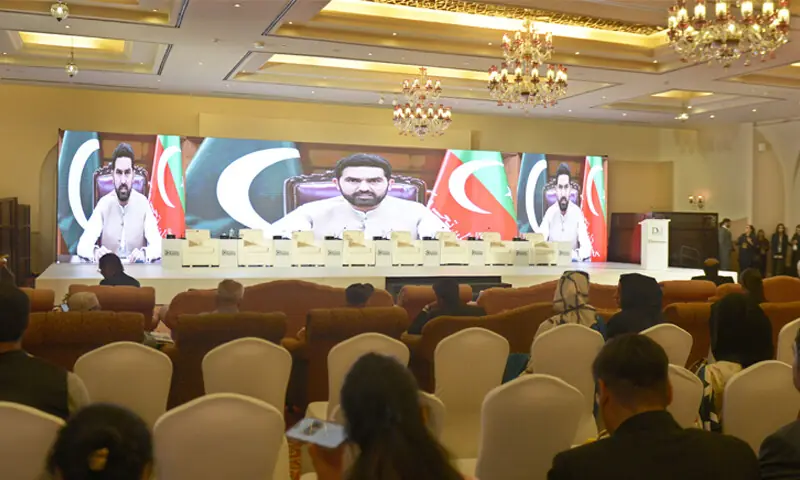
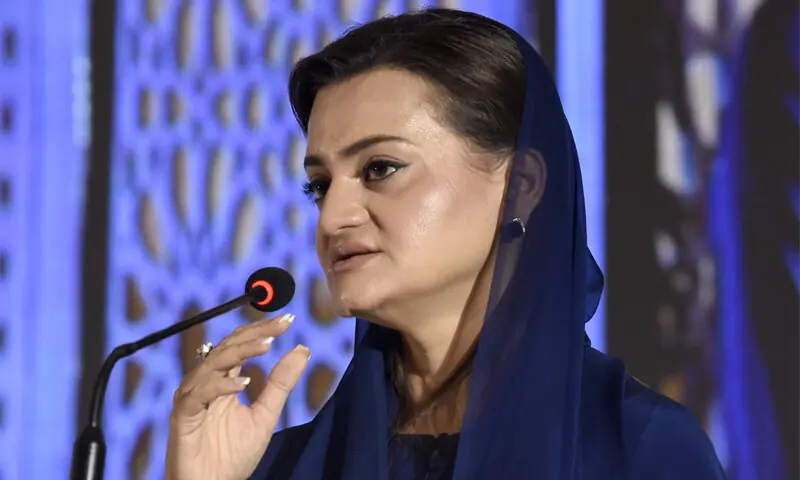
Earlier, keynote speaker Marriyum Aurangzeb highlighted Punjab’s shift towards an “ecosystem approach”, adopting a multi-sectoral strategy to build environmentally sustainable cities.
She pointed to initiatives such as the introduction of public buses and the establishment of an environment protection force as steps towards greener urban development.
Referring to a video presentation highlighting Punjab Chief Minister Maryam Nawaz Sharif and her initiatives, Ms Aurangzeb said Punjab had introduced a wide-ranging climate resilience strategy by integrating environmental safeguards into development planning and governance.
A key measure included allocating one per cent of the budget of every development project to climate resilience, ensuring environmental considerations were embedded from the outset, she said, describing it as a shift from fragmented efforts to a coordinated, policy-driven approach under the chief minister’s vision.
“The province has expanded its e-mobility programme, deploying around 1,100 electric buses across districts, coupled with the introduction of vehicle emission testing systems. More than 500,000 vehicles have been certified so far, marking a significant step towards controlling urban air pollution,” she said.
To strengthen enforcement, an Environmental Protection Force had been established covering sectors such as industry, agriculture, construction and waste management. She added that the force used modern technology, including digital monitoring and drones, to ensure compliance.
“Urban planning has also been overhauled through a new spatial planning framework that integrates climate resilience into city master plans. Industrial units are being relocated from residential areas to designated zones, while plantation along roads has been made mandatory for all infrastructure projects,” she said.
According to the minister, air quality management remained a priority, with 59 monitoring stations now operational across Punjab. A digital Climate Watch dashboard tracked industrial emissions, brick kilns and other pollution sources in real time, enabling quicker responses.
Other initiatives included solid waste management under the “Suthra Punjab” programme, rehabilitation of major drainage systems, and the promotion of clean agricultural practices through subsidised machinery to reduce crop burning, she said.
She said these combined efforts had already contributed to a reduction in air pollution levels, while acknowledging that sustained action was needed to address the broader climate challenge.
Published in Dawn, May 8th, 2026