As strikes test truce, Tehran urged to stick to diplomacy
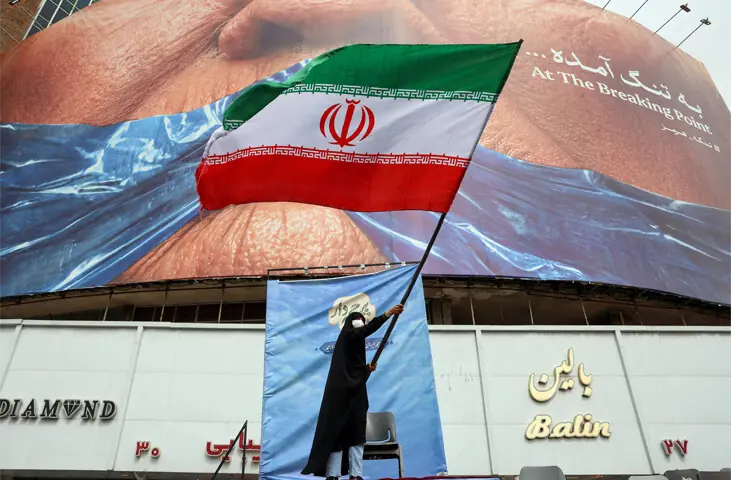
• Saudi Arabia, Qatar express solidarity with UAE, back mediation to reach political solution
• Germany, Britain condemn attack on Fujairah, call on Iran to comply with international law
TEHRAN/DUBAI: World leaders on Tuesday piled pressure on Tehran to stick to diplomacy to bring an end to the Middle East war, after a salvo of attacks in the region left a ceasefire crumbling.
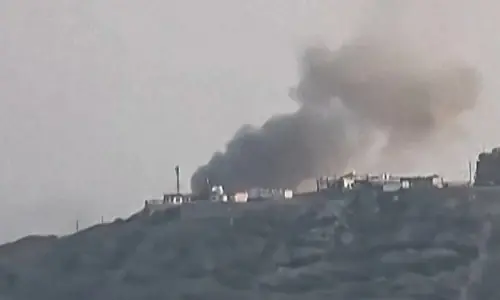
The scramble for more talks came after Iran and the United States traded fire over the strategic Strait of Hormuz, while US ally the United Arab Emirates reported Iranian attacks for the first time since the truce was declared nearly a month ago. Iran targeted the Fujairah energy facility and an oil tanker in missile and drone strikes, in apparent response to the US military’s attempt to break the Hormuz blockade.
A senior Iranian military official had said the Islamic republic had “no pre-planned programme to attack the oil facilities in question”. “What happened was the product of the US military’s adventurism to create a passage for ships to illegally pass through” the Strait of Hormuz, the official said, according to state television. Iran also attacked the UAE on Tuesday.
Anwar Gargash, adviser to the UAE’s president, called Iran the “aggressor party”, claiming that Tehran was responsible for exacerbating the crisis in the Gulf, besides being the source of danger and threat to its security and stability. He said the UAE appreciated messages of solidarity from the Gulf, Arab, and international communities.
The move had drawn widespread condemnations, with several world leaders asking Iran to stick to talks instead of escalating tensions in the region.
Saudi Arabia called for de-escalation and “diplomatic efforts to reach a political solution”. Riyadh said it supported Pakistan’s “mediation and diplomatic efforts to reach a political solution that prevents the region from sliding into further tension and instability, which would not serve the interests of the region and the world”.
The kingdom stressed the “importance of restoring freedom of international maritime navigation” in the Strait of Hormuz to its pre-war state, and called for ensuring the safe passage of vessels without restriction.
Qatar’s emir also spoke to the UAE president over the phone, where he expressed “strong condemnation of the Iranian attacks targeting civilian sites and facilities in the UAE.
German Chancellor Friedrich Merz, meanwhile, implored Tehran to “return to the negotiating table and stop holding the region and the world hostage”, echoing calls from French President Emmanuel Macron and UK Prime Minister Keir Starmer.
PM Starmer said his country would continue to “stand in solidarity with the UAE and will continue to support the defence of our partners in the Gulf”. “Iran needs to engage meaningfully in negotiations to ensure the ceasefire in the Middle East endures, and a long-term diplomatic solution is achieved,” he said.
European Council President Antonio Costa also expressed solidarity with the UAE following missile and drone strikes on its civilian infrastructure. “These violations of sovereignty and international law are unacceptable and need to stop,” Costa wrote on X.
EU Commission President Ursula von der Leyen also condemned Iranian attacks on the UAE, calling them a “clear violation of sovereignty and international law”. “Security in the region has direct consequences for Europe,” she said.
The attack on the UAE energy facility had also injured three Indian nationals – which New Delhi termed unacceptable. “We call for the immediate cessation of these hostilities and the targeting of civilian infrastructure and innocent civilians,” its foreign ministry said, calling for free and unimpeded navigation and commerce through the Strait of Hormuz.
Published in Dawn, May 6th, 2026