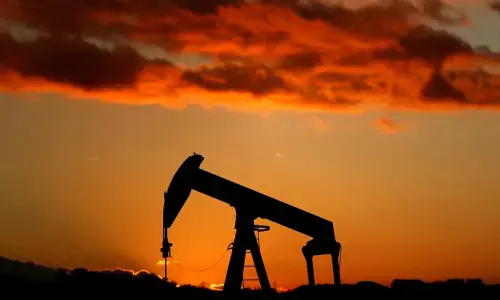
China rejects US sanctions on refineries over Iran oil links
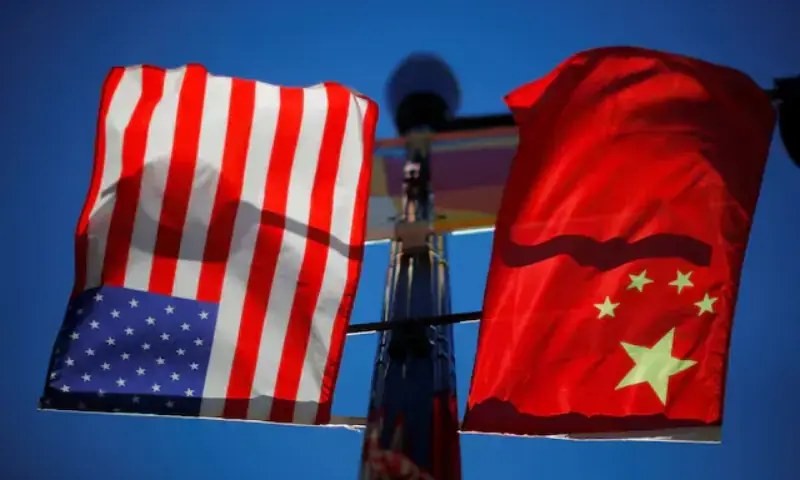

BEIJING: China will not comply with US sanctions against five firms targeted for purchasing Iranian oil, Beijing’s commerce ministry said on Saturday.
China is a key customer for Iranian oil, mainly through independent “teapot” refineries that rely on discounted crude from the Islamic republic.
The United States, seeking to choke off revenue to Tehran, has ramped up sanctions on such refineries.
The commerce ministry’s injunction, relating to sanctions announced separately since last year, states that the US measures “shall not be recognised, implemented, or complied with”.
Washington believes import by Beijing of oil generates billions of dollars in revenue for Tehran
The sanctions “improperly prohibit or restrict Chinese enterprises from conducting normal economic, trade and related activities with third countries… and violate international law and the basic norms governing international relations,” the ministry said in a statement.
“The Chinese government has consistently opposed unilateral sanctions lacking UN authorisation and a basis in international law.”
The injunction applies to three companies in Shandong province — Shandong Jincheng Petrochemical Group, Shandong Shouguang Luqing Petrochemical and Shandong Shengxing Chemical — and two others based elsewhere in China, Hengli Petrochemical (Dalian) Refinery and Hebei Xinhai Chemical Group.
Washington imposed on Friday sanctions on yet another Chinese firm which it said had imported “tens of millions of barrels” of Iranian crude oil, generating billions of dollars in revenue for Tehran.
The firm, Qingdao Haiye Oil Terminal Co., Ltd., was not mentioned in the commerce ministry’s injunction.
Diplomatic standstill
The latest sanctions come as Washington and Tehran have been locked in a diplomatic standstill, with no permanent resolution in sight for the conflict that erupted with US-Israeli strikes on Iran in late February.
US President Donald Trump is due to visit China for talks with leader Xi Jinping later this month.
In April, the US Treasury imposed sanctions on Hengli Petrochemical, accusing it of buying billions of dollars in Iranian oil, in an escalation of Washington’s long-running effort to curb Tehran’s oil revenue.
The Trump administration last year imposed sanctions on the other four refineries named by the ministry, among others. The US sanctions violate “international law and the basic norms of international relations,” the ministry said. As a result, the ministry said, it had imposed an injunction.
The sanctions created some hurdles for the refiners, including difficulties receiving crude and having to sell refined products under different names. Teapots account for a quarter of Chinese refinery capacity, operate with narrow and sometimes negative margins and have been squeezed recently by tepid domestic demand.
Published in Dawn, May 3rd, 2026