JUI-F threatens protests over seminary raids in Balochistan
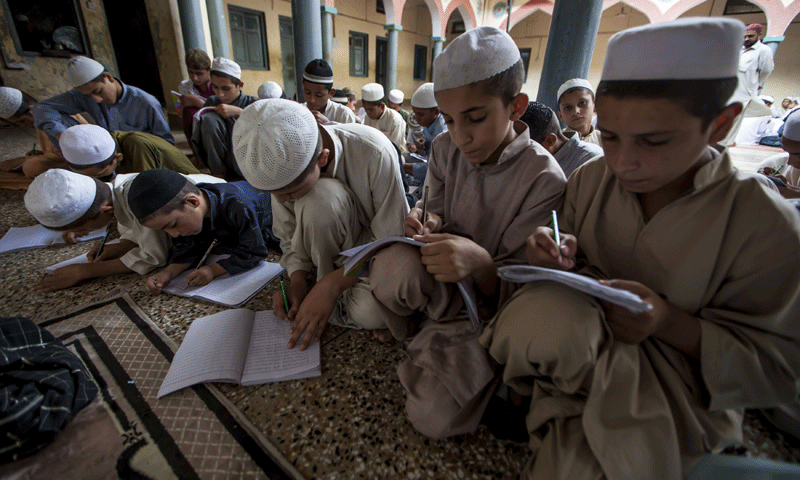
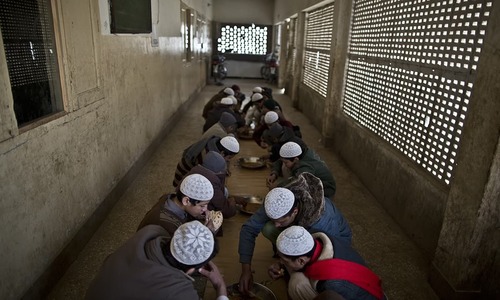
QUETTA: The Jamiat Ulema-i-Islam (JUI-F), Balochistan, has announced the launch of a protest movement against raids on religious seminaries across the province.
Senator Maulana Abdul Wasey, the provincial chief of the JUI-F, stated that a province-wide shutter-down strike and protest demonstrations would take place on May 6.
Addressing a press conference on Saturday, he said that on May 10, seminary students and party workers from across Balochistan would march towards Quetta. He added that JUI-F members in the provincial assembly would stage strong protests inside the Balochistan Assembly. He also announced that party chief Maulana Fazlur Rehman would address a JUI conference in Pishin on June 4.
These decisions were taken during a meeting of the JUI-F’s provincial leadership and later announced at the press conference. Opposition Leader Mir Younas Aziz Zehri, Maulana Salahuddin, Maulana Faiz Muhammad, Agha Mehmood Shah, Malik Sikandar, and others were also present.
Red line
Maulana Wasey alleged his party faced election rigging and that development funds for its members had been withheld. He said the party exercised restraint in the interest of democracy, but emphasised that seminaries were a “red line” and any raids on them would not be tolerated.
He stated that a deadline had been given to Balochistan Chief Minister Sarfraz Bugti to apologise for the seminary raids. However, a three-member delegation of provincial ministers met them and conveyed that the chief minister is currently abroad, requesting a postponement of the protest movement until his return.
He claimed the protest campaign would remain peaceful and that no damage to property would be allowed. He warned that JUI-F lawmakers would protest within the assembly and disrupt proceedings if necessary.
Responding to a question, the JUI-F leader said the government was given a May 2 deadline to issue an apology and withdraw the madrasa-related notification, but no practical steps had been taken to date.
He also criticised the government for passing a Societies Act mandating seminaries registration, stating that the party would not accept this under any circumstances. He added the government had failed to fulfill its commitments regarding the Mines and Minerals Act, and that a request for one week’s time was rejected during the meeting.
He added that if amendments were included in the May 5 assembly session agenda, the party would acknowledge the government’s efforts; otherwise, the planned march to Quetta on May 10 would proceed. He accused CM Bugti of violating the constitution and urged him to act prudently. In response to another query, Maulana Wasey said that under the 26th Constitutional Amendment, a seminary-related law has already been passed by the National Assembly, and it was the responsibility of provincial governments to implement it.
Published in Dawn, May 3rd, 2026