US Senate blocks bid to prevent Trump from military action against Cuba


 0
0
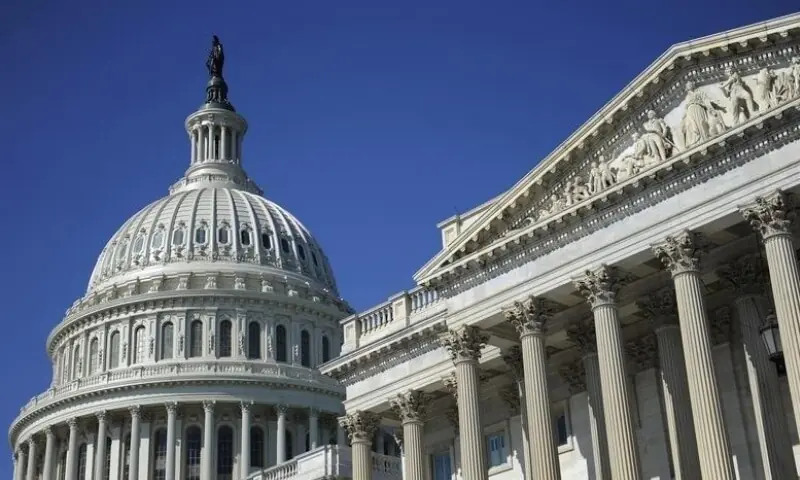

The Republican-led United States Senate on Tuesday blocked a Democratic-led resolution that would have barred President Donald Trump from military action against Cuba without congressional approval.
The Senate voted 51 to 47, almost entirely along party lines, on a procedural measure that blocked a war powers resolution, as members of Trump’s party argued that there are no active US hostilities against Cuba.
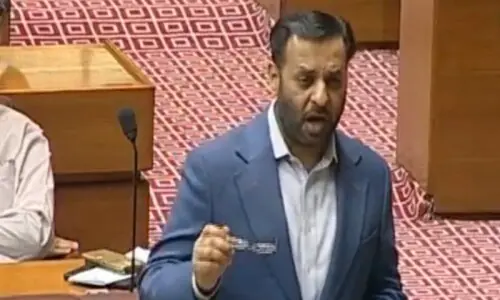
Republican Senator Rick Scott of Florida, who introduced the point of order that stopped the resolution, said a war powers vote was not appropriate because Trump has not deployed troops.
Democratic Senator Tim Kaine of Virginia, a lead sponsor of the measure, had argued that US efforts to stop fuel shipments to the Communist-ruled island constitute military action.
“If anyone were doing to the United States what we are doing to Cuba, we would definitely regard it as an act of war,” Kaine said in a Senate speech before the vote.
Under Trump, US forces have launched strikes on boats off Venezuela and gone into Caracas to seize President Nicolas Maduro, and, with Israel, waged war on Iran since February 28, all without authorisation from Congress.
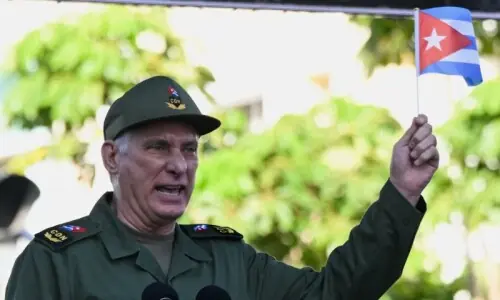
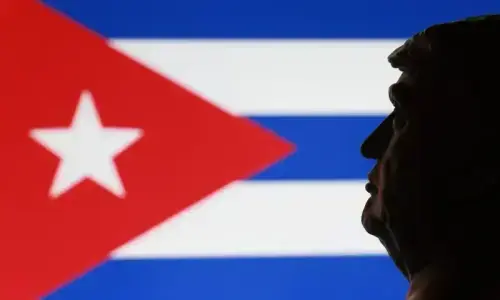
Trump has said “Cuba is next”. He did not specify what he plans to do with the island nation, but has frequently said he believes its government is on the verge of collapse.
Democrats have failed repeatedly in both the Senate and House of Representatives to force Trump to obtain congressional authorisation for military operations.
Trump’s fellow Republicans, who hold slim majorities in both the Senate and House, have almost unanimously voted down such resolutions, accusing Democrats of using the war powers act to try to weaken Trump.
Although the US Constitution says Congress, not the president, can declare war, that restriction does not apply for short-term operations or to counter an immediate threat.
The White House says Trump’s actions are within his rights, and obligation, as commander-in-chief to protect the US.