0
0
LAHORE: The Punjab Assembly on Tuesday passed a resolution aimed at curbing Pakistan’s rapidly growing population, warning that unchecked growth is placing “severe pressure” on resources, jobs and public services.
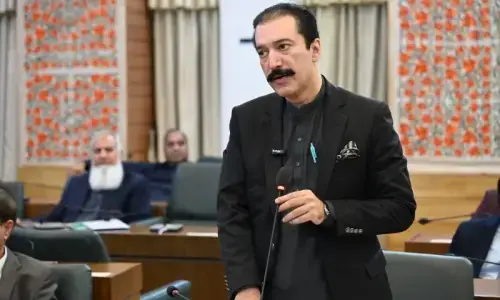
The resolution, moved by treasury member Ahsan Raza Khan, highlighted that the country’s fast-rising population is straining natural resources, employment opportunities, healthcare, education, and infrastructure. It cautioned that limited resources are fueling poverty, unemployment, environmental degradation, water scarcity and broader social challenges.
The House called for the formulation of a comprehensive and integrated population management policy across the province, along with the expansion of family planning programmes. It also emphasised promoting women’s education, healthcare and economic empowerment through dedicated funds and initiatives.
Lawmakers stressed the need to strengthen maternal and child healthcare services at basic health units, ensure access to family planning facilities, and introduce modern technologies and legal frameworks for efficient use of water, agricultural land and energy resources.
The resolution also urged increasing employment opportunities through technical training, industrial growth and business facilitation for youth.
Environmental protection, afforestation and conservation of water reservoirs were identified as key priorities, alongside coordinated efforts with the federal government to develop a national strategy for equitable resource distribution and sustainable development.
The House recommended setting clear timelines, allocating budgets, and forming a special committee to monitor implementation and present biannual reports.
Lawmaker Asma Naz Abbasi said the integration of health and population departments had already yielded benefits, noting that mother-and-child healthcare centres and clinics were providing essential services. She highlighted the role of lady health workers and community programmes in delivering family planning awareness and support, while calling for further improvements in service delivery and internal reforms.
Ahsan Raza Khan termed population growth a “serious national challenge,” criticising the population department for being largely confined to paperwork and lacking effective field-level outreach. He called for strict enforcement of laws, anti-corruption measures, and urgent awareness campaigns, warning that delays in action could worsen the situation.
Another member, Chaudhry Ahmad Iqbal, pointed to societal taboos surrounding family planning, arguing that items such as contraceptives and sanitary products should not be stigmatised. He warned that Pakistan’s population could reach 500 million by 2050 if current trends continue, putting immense pressure on resources and governance systems.
Separately, the assembly unanimously passed a resolution paying tribute to the security forces and state institutions for their efforts against terrorism, marking one year of the “Operation Bunyanun Marsoos.” The House praised the leadership of Prime Minister Shehbaz Sharif and the armed forces, particularly Chief of Army Staff Field Marshal Syed Asim Munir, for their resolve and sacrifices in safeguarding national security.
In another resolution, lawmakers commended Chief Minister Maryam Nawaz for her government’s measures to tackle smog and air pollution. The House noted improvements in air quality and lauded coordinated efforts, including curbs on crop burning, industrial emissions control, modernisation of brick kilns, and stricter action against polluting vehicles.
The assembly reaffirmed its commitment to supporting policies aimed at sustainable development, environmental protection, and long-term resource management for future generations.
Published in Dawn, April 29th, 2026