FO says Cambodia has agreed on early repatriation of 54 Pakistanis arrested following scam centre raid
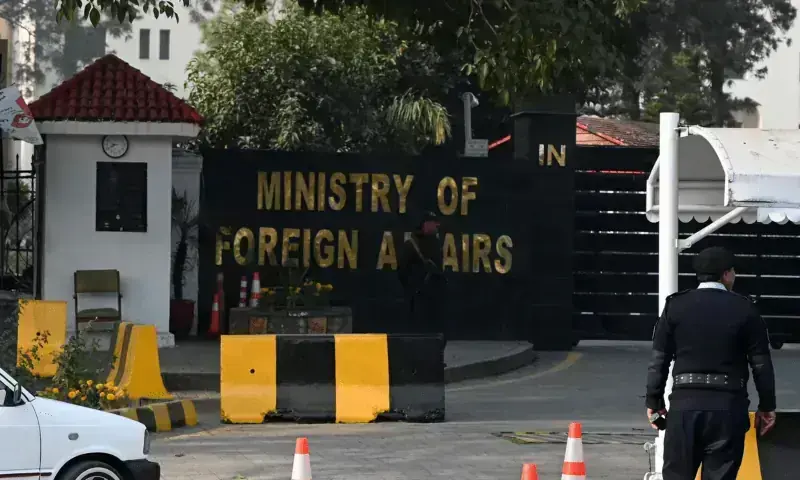


The Foreign Office (FO) said on Tuesday that Cambodian authorities had agreed on the early repatriation of 54 Pakistanis arrested following a raid on a “scamming compound”.
The statement came after reports emerged that more than 200 Pakistanis were in the custody of Cambodian police in overcrowded facilities and facing a lack of basic facilities.
In the statement issued on Tuesday, the FO said that the embassy in Cambodia had actively pursued the matter with the Cambodian government.
It said that this was in line with the instructions of Deputy Prime Minister and Foreign Minister Ishaq Dar to “take all possible actions aimed at facilitating the Pakistani community abroad”.
“As a result of the embassy’s efforts, the host authorities have agreed to the early repatriation of 54 Pakistani nationals detained in Siem Reap province. These individuals were arrested following a raid on a scamming compound,” it said.
The FO added that embassy staff were taking steps to ensure the welfare of the detained Pakistanis.
“These detainees will leave Cambodia as soon as flight arrangements are finalised,” it added.
The statement further said that “as a goodwill gesture” from the Cambodian authorities, the detainees would be repatriated without any legal proceedings against them.
A multibillion-dollar scam industry has ballooned in Cambodia in recent years, with thousands involved, some willingly and others forced by the organised criminal groups, experts say.
Last year, the United Nations said in a report that Asian crime syndicates behind the multibillion-dollar cyberscam industry were expanding globally, including to South America and Africa.
Syndicates have adapted, shifting operations between the most remote, vulnerable, and underprepared parts of Southeast Asia, especially in Laos, Myanmar, and Cambodia, and beyond, exploiting jurisdictions with weak governance and high rates of corruption, the United Nations Office on Drugs and Crime said.
Additional input from AFP and Reuters