0
0
KARACHI: These days, we hear and read a great deal about (perceived or anticipated) clash of civilisations. Persian civilisation, where modern-day Iran is situated, had a profound impact on the cultural development of humankind. Be it the world of poetry, fine art or crafts, Persia influenced the rest of the world in a significant way.
This is the historical background against which a two-person exhibition titled Passage Through, which is underway at the Canvas Art Gallery, is set.
Of the two artists — Marjan Baniasadi and Sanie Bokhari — whose works are on display, one of them, Marjan, hails from Iran. Given the fact that her country, since Feb 28 this year, has been the focus of global attention for reasons other than art and culture, the show becomes all the more important.
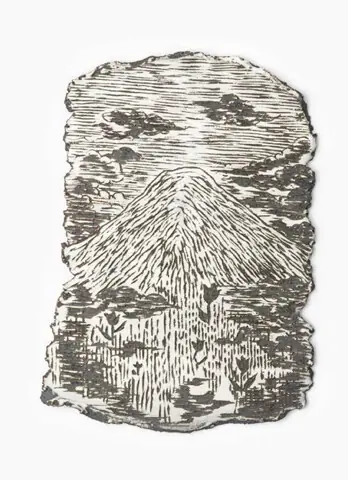
And in terms of what she has to offer as a visual artist, the viewer will be intrigued to know (that is, those who are not already familiar with her work) is that ‘Persian carpets’ to her are ‘living objects capable of listening and recording time’. After reading such a statement, among the many things that spring to one’s mind is the image of the magic carpet from old mythical tales, especially from Arabian Nights. Marjan’s paintings, for example ‘Woven whispers’, give off a similar exhilarating vibe. At the same time, it carries the profundity of a poet’s effort where the rhythm of words (or strokes) come together in an effortless way.
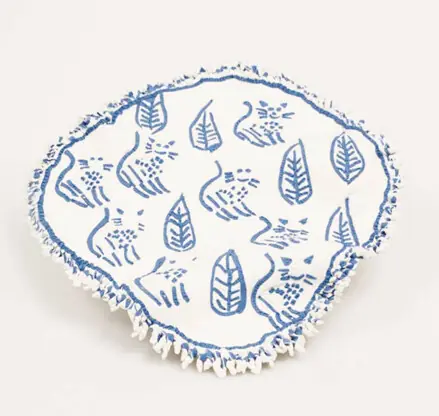
Sanie is inspired by the Indo-Persian (and Mughal) miniature practices. So Persia features in her creative endeavour, too. But she — Sanie lives in the US — homes in on the subject of migration and displacement, a critical topic with reference to 21st century socio- and geopolitical atmosphere. There is an urgency to her work, the kind of urgency that one associates with the process of migration. Within that framework, pretty impressively, she creates artworks, such as ‘Frequency of leaving’ (nice title, by the way) that leave the viewer with not just a lot to think about, but a lot to appreciate.
The show concludes on April 30.
Published in Dawn, April 28th, 2026