US plans dollar swap lines
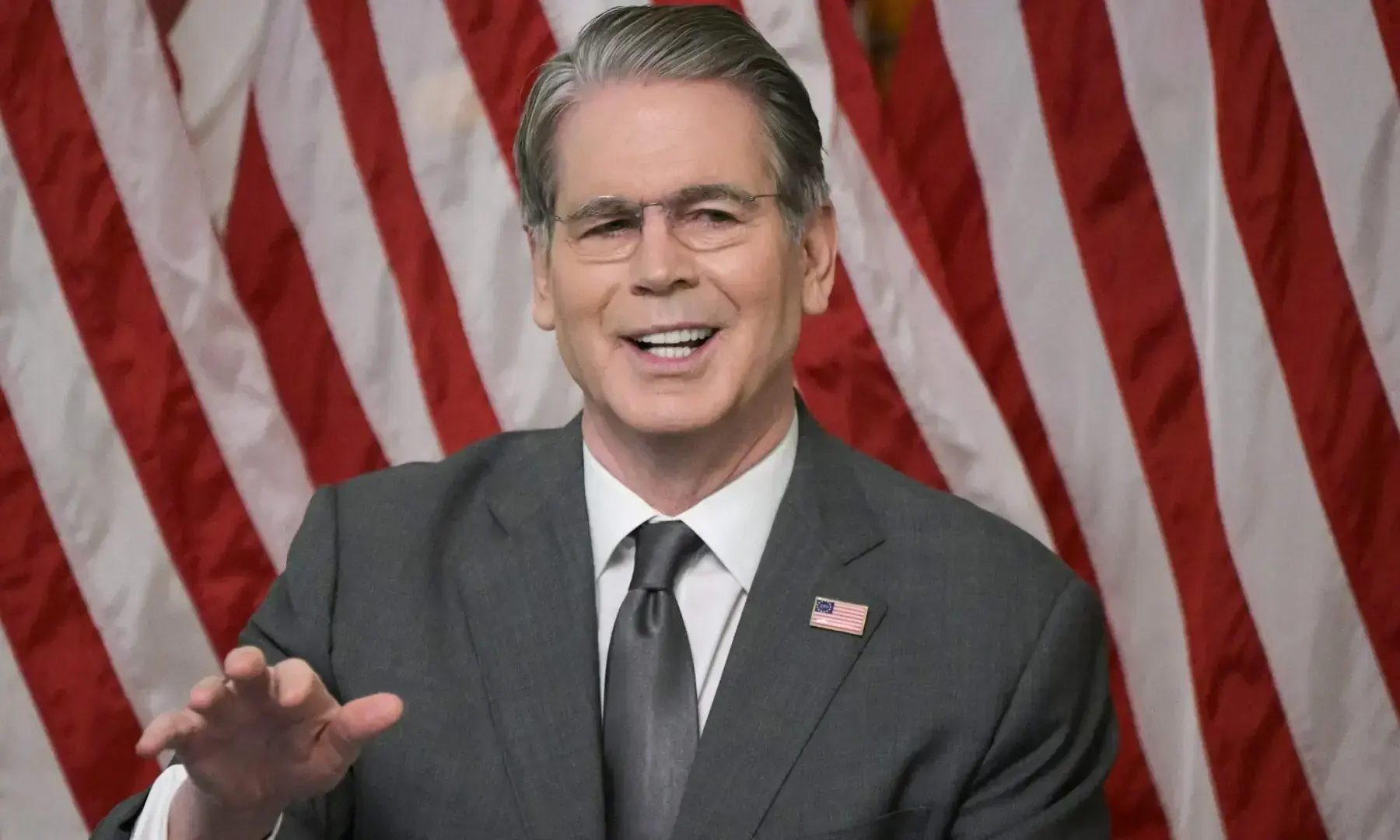

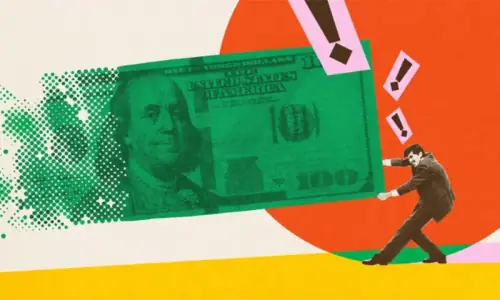
WASHINGTON: The United States is discussing currency swap lines with other countries including Gulf and Asian partners, Treasury Secretary Scott Bessent said on Friday, after a number of allies sought help in dealing with fallout from the Iran war.
Bessent has not identified the countries making such requests, but he said the swap lines would be helpful to both the US and other nations.
“Additional swap lines can benefit our nation by reinforcing dollar usage and liquidity internationally, maintaining smooth functioning in dollar funding markets, promoting trade and investment with the United States,” Bessent said in a post on X. “Extending permanent swap lines can be a major first step in creating new US dollar funding centres in the Gulf and Asia.”
Bessent told US lawmakers on Wednesday that a number of allies in the Gulf region and in Asia have requested currency swap lines from the United States to help deal with energy shocks and other fallout from the Iran war.
He said both the US and the United Arab Emirates would benefit from a proposed swap line that President Donald Trump said he was considering on Tuesday.
“Many of these countries have pristine sovereign balance sheets and large dollar holdings larger than many major economies with whom we maintain permanent swap facilities,” Bessent said on Friday. He praised them for exploring additional financial buffers.
The Federal Reserve has permanent standing central bank currency swap lines with five other major central banks — the Bank of Canada, Bank of Japan, European Central Bank, Bank of England and Swiss National Bank.
These big central banks are given the privilege of borrowing dollars from the Fed, collateralised by their own currencies, unlike smaller central banks, which must borrow dollars through their accounts at the New York Fed by pledging the dollar-denominated US Treasury securities they hold there as collateral.
The Fed, during the Covid-19 pandemic, temporarily extended this advantage to nine other countries: Mexico, Brazil, Australia, Denmark, Norway, Sweden, South Korea, New Zealand, and Singapore.
Expanding this facility would mark a significant shift, and it is not clear if that could happen until after Trump’s Fed Chair nominee, Kevin Warsh, is confirmed by the US Senate and sworn into office.
Published in Dawn, April 25th, 2026