0
0

In a government shelter in the coastal city of Sidon, Mohammed al-Zein sees little to celebrate in the extension of a truce between Lebanon and Israel, saying he is still barred from returning to his southern hometown, AFP reports.
His village of Ayta al-Shaab, heavily bombed by Israel ever since the last conflict with Hezbollah in 2023, is located behind the “Yellow Line” established by the Israeli army, designating a ribbon of territory along the border a no-go zone for civilians.
“I felt nothing” when the truce was announced, Zein tells AFP. “As long as we do not return to our hometown, nothing matters.”
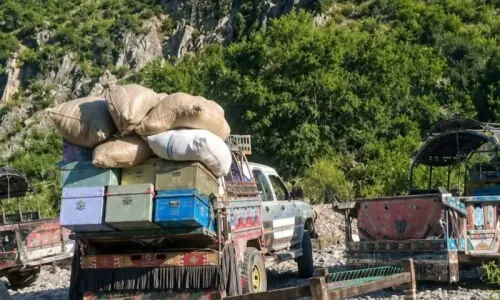
In Sidon, dozens of cars head south with bags and mattresses strapped to their roofs, but for others, the situation remains too uncertain to consider returning.
At the school-turned-shelter where Zein is staying, 40 per cent of the 600 people staying there have gone back home since the truce was extended, according to volunteer Nivine Hashisho.
But as some pack their bags on a recent visit, others are playing cards and having breakfast in the school playground, in no rush to leave just yet.
“We have to see the situation during the ceasefire, because we do not believe the Israelis,” says Izdihar Yassin, a 58-year-old woman staying at the shelter.