0
0
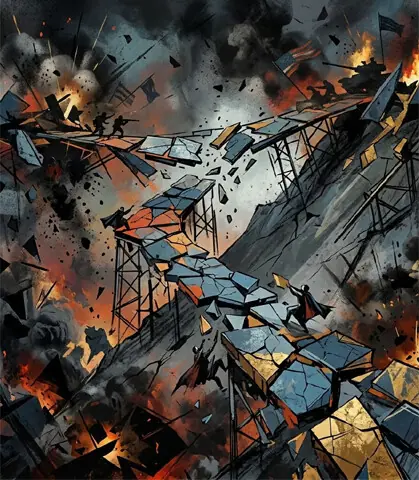
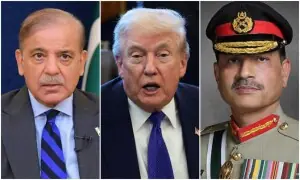
DIPLOMACY rarely announces itself with spectacle. It advances instead through discreet channels, carried by intermedi-aries and shaped in capitals far removed from the crisis it seeks to manage. It is defined by timing and recognises when accumulated pressure has made imperfect compromise less costly than continued confrontation. In recent days, that limited geography of possibility shifted, at least temporarily, towards Islamabad, with signals of engagement from Tehran and Washington pointing to a cautious reacti- vation of contact in a relationship that has been long defined by rupture.
For decades, American-Irani ties have been shaped by sanctions, covert confron- tation, mutual suspicion, and periodic escalation into military actions. Against that backdrop, even a tentative move towards structured dialogue carried significance. It signalled possibility, and in such a fraught landscape, possibility is, indeed, consequential.
Pakistan is by no means a neutral bystander. The fact is that Pakistan is a stakeholder with limited but tangible leverage. Islamabad’s engagement has been driven by strategic interest rather than neutrality. This, for sure is not unusual. Effective mediators often have a direct stake in reducing tensions. Pakistan’s geography and communication channels with Tehran and Washington place it in a position to facilitate contact even if it does not determine the outcome.
No assessment of the moment could ignore actors whose interests may not align with de-escalation. Israel’s strategic posture has long centred on preventing Iran from crossing the nuclear threshold. Its governments have used all possible overt and covert operations, targeted strikes and sustained diplomacy to restrict Iran’s strategic space. Whatever one’s view, the effect has been clear: it narrowed the negotiating room, strengthened hardliners in Tehran, and added volatility to an already fragile process. The risk that unilateral action or escalation could trigger reciprocal responses and disrupt diplomacy has remained a consideration all through the process. Even limited incidents may alter the trajectory of negotiations.
The alternative to agreement is not stability, but managed deterioration. Without a deal, the region is likely to see intensified military signalling, increased risk of miscalculation across maritime and aerial domains, and a higher probability that existing flashpoints escalate beyond control. Even without open conflict, costs accumulate owing to trade disruption, energy insecurity and humanitarian strain, disproportionately affecting neighbouring states, including Pakistan.
History offers limited reassurance. When nuclear diplomacy fails, it rarely resets. It narrows communication channels, deepens mistrust, and reduces tools for crisis management. Pakistan has the geography, access and credibility to be more than a convener. It may help shape conditions for gradual stabilisation of one of the world’s most sensitive strategic relationships. For Iran, the choice is not between an ideal deal and none, but between managed risk under verifiable constraints and escalating costs of prolonged confrontation.
Effective statecraft has never been about waiting for ideal conditions. It is about acting within imperfect ones before the window closes, and, in the region, such a window has rarely remained open for long, and seldom on familiar terms.
Lt-Col (retd) Syed Raziuddin
Rawalpindi
Published in Dawn, April 24th, 2026