Extreme heat pushes global agrifood systems to brink, UN report warns
• Notes heatwaves threaten crop yields; rising temperatures disproportionately affect women farmers
• Urges shift to proactive measures like early warning systems
ISLAMABAD: Extreme heat threatens to push global agrifood systems to the brink, with rising temperatures posing severe hazards to people, crops, livestock and fish, a new United Nations assessment report warned on Wednesday.
The report, jointly released by the World Meteorological Organisation and the Food and Agriculture Organisation to mark Earth Day, found that the frequency, intensity and duration of extreme heat events have risen sharply over the past half-century.
It cautions that the risks to agriculture and ecosystems are set to soar in the future. “Extreme heat is increasingly defining the conditions under which agri-food systems operate,” WMO Secretary General Celeste Saulo said.
FAO Director General QU Dongyu added that the findings highlight how heat acts as a major risk multiplier. “This work highlights how extreme heat is a major risk multiplier, exerting mounting pressure on crops, livestock, fisheries and forests, and on the communities and economies that depend upon them,” he said.
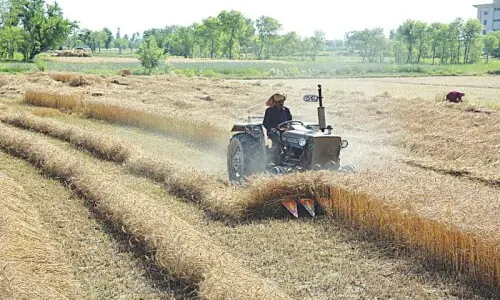
Focusing on Pakistan, the report detailed how increasingly frequent and severe heatwaves in the rain-fed rural areas of Punjab are disrupting agricultural systems and undermining household food security.
The effects on production have been stark, with heatwaves leading to significant declines in crop yields. Fruit productivity in high-rainfall zones of Punjab has fallen by as much as 50 per cent.
Livestock are also severely affected. Heat stress causes large ruminants to produce less milk, while smaller ruminants face increased outbreaks of foot-and-mouth disease.
The problem is compounded by the accelerated spoilage of perishable goods like vegetables and dairy products, which further reduces food availability and drives up local prices.
While entire communities are impacted, the report noted that women bear a disproportionate share of this burden.
Rural women in Punjab, deeply involved in harvesting and other physically demanding tasks, face higher exposure to extreme heat and an increased risk of heat-related illnesses.
“The path forward requires a shift from reactive crisis management to proactive risk reduction, beginning with the empowerment of agricultural producers, “ the report states.
It highlights the high predictability of heat as a key opportunity for developing agrometeorological advisories and early warning systems linked to anticipatory action. The report stresses that such systems are a critical first line of defence, enabling farmers, pastoralists and fisherfolk to implement on-farm responses.
Published in Dawn, April 23rd, 2026