Peshawar High Court seeks CPPA’s response to plea for forensic audit of IPP agreements
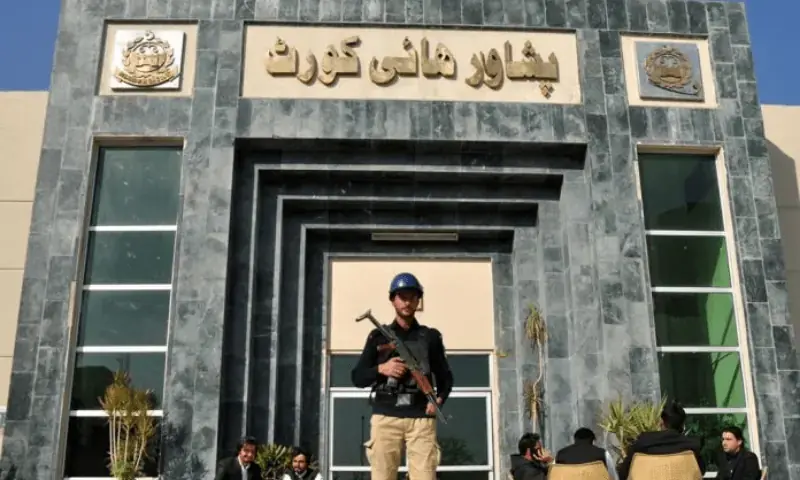
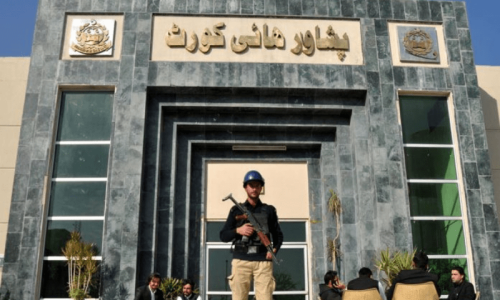
PESHAWAR: Peshawar High Court on Tuesday issued a notice to the Central Power Purchase Agency (CPPA), seeking its response to a petition for forensic audit of all power purchase agreements with independent power producers (IPPs).
Justice Ijaz Anwar and Justice Inamullah also issued notices to several IPPs, asking them to file their replies to the petition.
Petitioner Sarhad Chamber of Commerce and Industry (SCCI) called for the audit to “prevent undue payments to IPPs at the cost of consumers.”
It sought immediate steps to address the IPP payout issue and give substantial tariff relief to all power consumers.
SCCI calls for action on Senate panel’s report on ‘excessive’ payments to IPPs
It also requested the court to direct the federal government to implement the recommendations of the special meeting of the Senate’s standing committee on power regarding excess profit paid to some IPPs.
The petitioner opposed the renewal and signing of new agreements with IPPs, saying all those accords that come to an end or about to be concluded should not be renewed or re-awarded without a fair and transparent competitive process only on take-and-pay basis to avoid staggering capacity payments.
Respondents in the petition include the federal government through secretary ministry of energy (power division), National Electric Power Regulatory Authority (Nepra) through its registrar, Central Power Purchase Agency through its chief executive, Peshawar Electric Supply Company through its chief executive and five IPPs.
Senior lawyer Shumail Ahmad Butt appeared for the petitioner, whereas Farooq Afridi appeared for Nepra.
Butt said that the Senate standing committee on power, in its meeting on May 15, 2019, had constituted a three members sub-committee, tasked with investigating reasons behind high electricity tariffs and financial implications of power generation costs, which included examining capacity payments to IPPs and their impact on consumer prices.
He said the sub-committee thoroughly discussed high power tariff, capacity charges, payback period, and financial calculations leading to higher profits.
The lawyer said that the committee observed that some IPPs had enjoyed substantially higher profit rates than the rate of return allowed by Nepra.
He claimed that Nepra “tried to baselessly justify” the matter, claiming that the payments were made following international standards.
Butt said that the committee was not satisfied with the Nepra’s explanation and asserted that the IPPs, which had earned excessive profits by misrepresenting or hiding information from the regulator, should return the additional earned illegal amount to consumers.
He said despite strong reservations, the committee finally opined that IPPs should be given a fair chance to be heard by Nepra before it determined a revised rate for all IPPs, ill-gotten money should be recovered from them as well as their initial sponsors, and criminal proceedings should be initiated against IPPs through an investigation agency along with confiscation of assets.
The counsel said that the sub-committee presented its report to the standing committee on Nov 11, 2019, which unanimously adopted it and presented it as a special report before the House.
He argued that the said report had not been implemented by the government.
Butt argued that the respondents-IPPs were evaluated by the committee and found receiving excess payment of Rs39.02 billion.
He contended that if the regulatory bodies didn’t scrutinise capacity payment structures thoroughly and they stick with their ineffective regulations this would definitely lead to IPPs charging more than necessary.
“Insufficient auditing and monitoring of IPPs’ financials and operational efficiency could lead to inflated capacity payments if discrepancies go unchecked, “ he said.
Published in Dawn, April 22nd, 2026