Efficient resolution of tax disputes critical to boost public confidence: CJP Yahya Afridi


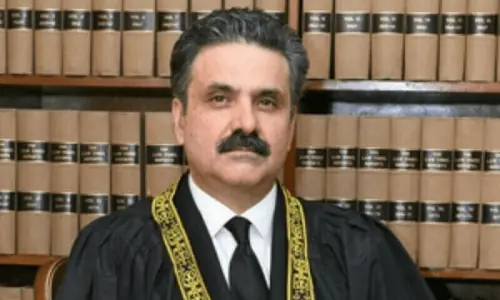
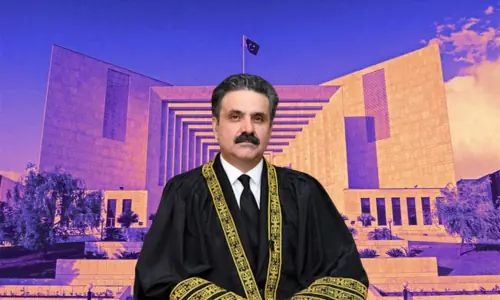
ISLAMABAD: Chief Justice of Pakistan (CJP) Yahya Afridi has said efficient resolution of tax disputes is critical to strengthening public confidence, improving governance standards and fostering a predictable legal environment.
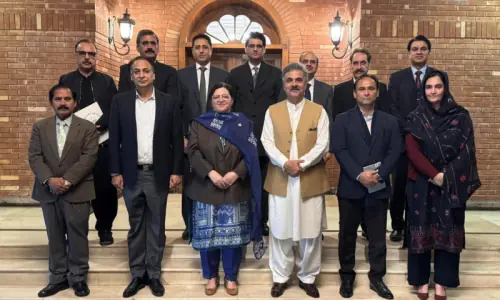
He stated this while chairing a consultative meeting the National Judicial (Policy Making) Committee (NJPMC) in his capacity as its chairman.
The CJP said NJPMC provides an effective institutional platform for coordinated reform efforts involving the judiciary, executive agencies and other stakeholders to address complex legal and procedural challenges.
The meeting was also attended by Supreme Court Justice Miangul Hassan Aurangzeb, Shad Mohammad Khan, Chairman of the Prime Minister’s Task Force on Tax Litigation Framework; Rashid Mahmood Langrial, Chairman Federal Board of Revenue; senior officials of the FBR; the registrar Supreme Court; secretary Law and Justice Commission of Pakistan and the director general IT of the Supreme Court.
Says NJPMC provides an effective institutional platform for coordinated reform efforts
The nominated judges of the high courts - Justice Abid Aziz Sheikh (Lahore High Court), Justice Agha Faisal (High Court of Sindh), Justice Arshad Ali (Peshawar High Court), Justice Mohammad Aamir Nawaz Rana (High Court of Balochistan) and Justice Inaam Ameen Minhas (Islamabad High Court) - participated through video link.
Justice Miangul Hassan Aurangzeb apprised the forum of his recently authored judgement addressing procedural bottlenecks in tax-related litigation and proposing mechanisms for reform. He said government departments should refrain from filing appeals on issues already settled by superior courts, noting that repetitive litigation undermines legal certainty, burdens judicial institutions, delays the adjudication of genuine matters, and leads to avoidable expenditure of public resources.
He emphasised that the state must act as a fair and responsible litigant, supported by rigorous legal scrutiny prior to filing appeals.
The judges, representing high courts, deliberated on the issues and procedural gaps requiring improvement and highlighted remedial measures. The meeting also reviewed ongoing initiatives aimed at strengthening the specialised handling of tax matters and enhancing institutional efficiency in fiscal adjudication.
Deliberations included measures to address structural challenges, reduce delays, promote greater certainty in dispute resolution, ensure effective representation of the FBR through designated officers and maintain comprehensive data on tax cases already decided by the superior courts.
0forum appreciated the database of judgements developed by the High Court of Sindh and agreed that it would be shared with the Supreme Court, all the high courts and the FBR to support informed case management and enhance legal preparedness.
The chairman FBR appreciated the consultative process and particularly welcomed the valuable suggestions put forward by the judges of the high courts.
He assured the forum that all recommendations emerging from this engagement would be given due consideration and incorporated, where appropriate, into the evolving tax litigation framework with a special emphasis on improving the appearance, preparedness and effectiveness of counsel and departmental officers in tax cases.
He apprised the participants that the FBR’s IT wing, in coordination with the IT directorates of the Supreme Court and the high courts, had been tasked with compiling and streamlining relevant litigation data to support informed decision-making.
He also confirmed that director-level officers would be designated to represent the FBR before each high court in tax matters.
Additionally, scrutiny committees would be notified in each province to examine the filing of references, and necessary arrangements would be made to facilitate the appearance of officers through video link where they are posted outside the relevant jurisdiction.
Published in Dawn, April 18th, 2026