Japan contributes $2 million to support communities affected by climate disasters in Pakistan

ISLAMABAD: Japan has announced that it will contribute $2 million to “support vulnerable communities affected by disasters across Pakistan”, a move which has been welcomed by the United Nations World Food Programme (WFP), according to a press release issued on Thursday.
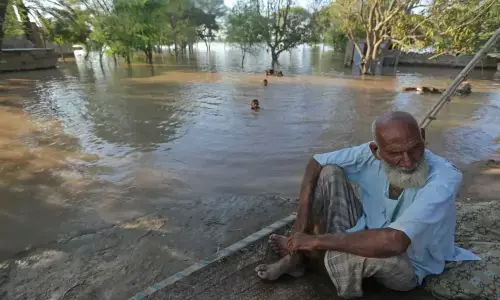
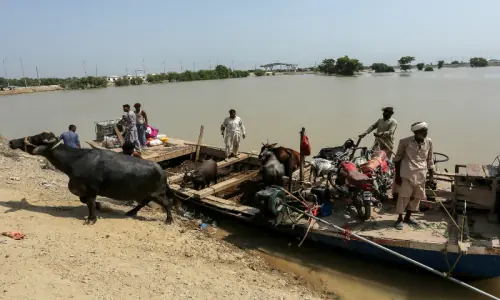
“This contribution will enable WFP to provide food assistance to more than 45,000 people, impacted by monsoon floods and other shocks. It will also help communities restore assets and stabilise livelihoods for a stronger future,” the statement said.
The handout quoted Japan’s ambassador to Pakistan, Akamatsu Shuichi, as saying, “Japan values its long-standing partnership with Pakistan and the WFP in supporting vulnerable communities.
“Through this contribution, Japan aims to ensure that families facing hardship have access to essential food while supporting efforts that help communities recover,” he stated.
Meanwhile, WFP Country Director and Representative to Pakistan Coco Ushiyama said, “We appreciate Japan’s ongoing support for the people of Pakistan.
“This contribution not only addresses immediate food needs, but also assists families to protect what they have, recover from losses, and strengthen their ability to withstand future shocks. As climate risks intensify, such investments are critical to breaking the cycle of vulnerability and supporting more resilient communities across Pakistan,” she said.
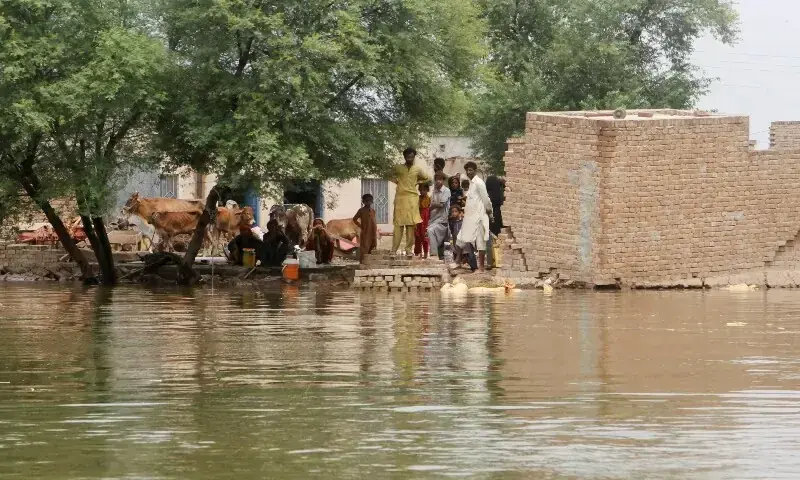
The release said that Pakistan faces “major climate risks” including heatwaves, dry spells and glacial lake outburst floods. It said that communities were still recovering from the 2025 monsoon floods that affected 6.9 million people.
“The National Disaster Management Authority (NDMA) warns that the 2026 monsoon season could see 22–26 per cent higher than normal rainfall, raising the risk of severe flooding and highlighting the urgent need for timely support and preparedness,” it said.
The release also termed Japan as one of the WFP’s “most valued global partners”.
“Since the 2022 floods, the government of Japan has contributed more than $10 million to support WFP’s humanitarian operations in Pakistan,” it highlighted.
According to figures compiled by the NDMA, the 2025 floods killed at least 1,000 people and affected nearly seven million people. Punjab suffered the most damage, followed by Khyber Pakhtunkhwa and parts of Gilgit-Baltistan, where vast areas of farmland were destroyed, homes were swept away, and many communities were forced to relocate.