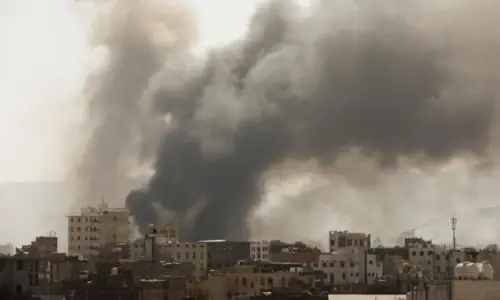
SHC orders registration of FIRs against dumping, burning of solid waste along Malir river
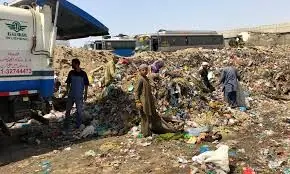
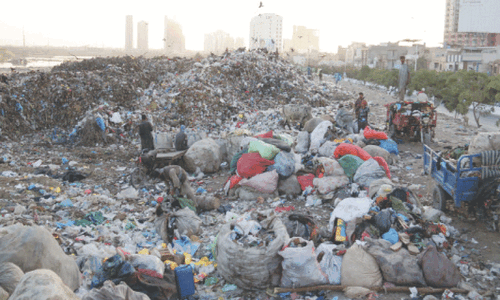
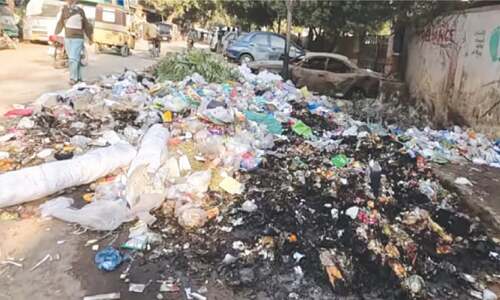
KARACHI: Declaring open dumping and burning of solid waste along the Malir riverbank illegal and unconstitutional, the Sindh High Court has put an immediate and absolute ban on such activities.
It said that such practice, taking place in the Malir river at Korangi Causeway, was causing serious environmental degradation and posing grave threats to public health while dispute among respondents about jurisdictions reflected a systemic failure requiring coordinated administrative intervention rather than piecemeal adjudication.
The SHC directed the authorities concerned to strictly enforce the ban/prohibition, including the implementation of Section 144 of the Criminal Procedure Code, and ensure that violations were dealt with promptly by registering criminal cases.
A two-judge constitutional bench of the SHC, headed by Justice Adnan-ul-Karim Memon, also ordered the chief secretary of Sindh to convene a high-level meeting of all relevant stakeholders, including but not limited to Sindh Solid Waste Management Board (SSWMB), Karachi Metropolitan Corporation (KMC), cantonment boards, district municipal corporations (DMCs), Sindh Environmental Protection Agency (Sepa), irrigation department and law enforcement agencies within two weeks to clearly delineate jurisdictional responsibilities, devise a coordinated and enforceable mechanism for solid waste management in the subject area.
Bench asks CS to hold meeting of all stakeholders to delineate jurisdictional responsibilities, devise coordinated mechanism for waste management
It further ordered to ensure that all waste was transported to designated landfill sites in accordance with the law and sought a comprehensive compliance report within four weeks.
The bench issued these directives while disposing of a petition seeking various directives for respondents against open burning and mouldering of solid waste in the Malir River or its banks.
The petitioners, comprising residents of Air Force Officers Housing Society, Mehmoodabad and an environmental organisation, had approached the SHC in 2017 and submitted that thousands of tons of municipal, industrial and hospital waste were being unlawfully dumped and burnt, releasing hazardous pollutants such as dioxins, mercury and causing severe environmental degradation and serious health risks, particularly respiratory diseases among residents and children.
The respondents in their replies had largely denied responsibility and shifted liability on each other as the SSWMB maintained that it was actively collecting and transporting waste to designated landfill sites and has a zero-tolerance policy against burning and attributed alleged burning to unauthorised third parties outside its operational domain.
The Cantonment Board Faisal submitted that it disposed of its waste through contractors at approved landfill sites and denied any involvement in dumping or burning on the Malir riverbank.
The DMC (East) contended that the waste management functions stood transferred to SSWMB and thus, it has no responsibility while the KMC also maintained that solid waste management came within the statutory mandate of SSWMB and further raised that control of riverbeds lies with the irrigation department under the Sindh Irrigation and Drainage Authority Act, 1997.
Similarly, the irrigation department also denied jurisdiction and argued that its mandate was limited to water management and did not extend to solid waste or environmental regulation.
The Sepa submitted that it has already initiated proceedings against the SSWMB before the environmental protection tribunal regarding the subject issue.
The bench in its order said the overall stance of official respondents reflected a lack of coordination and jurisdictional ambiguity, with each authority disclaiming direct responsibility while acknowledging the broader issue of waste management in Karachi.
The bench said, “Applying the ratio of the above judgments, this court is of the considered view that open dumping and burning of solid waste in the Malir River is per se illegal, unconstitutional and violative of Articles 9 and 14 of the Constitution as well as the applicable environmental laws, including the Sindh Environmental Protection Act, 2014. However, at the same time, the dispute reflects a systemic failure requiring coordinated administrative intervention rather than piecemeal adjudication”.
“Accordingly, the petition is disposed of with the directions that there shall be an immediate and absolute ban on dumping, disposal, burning, or smoldering of any kind of solid waste in the Malir River or its banks at Korangi Causeway by any authority, agency, contractor, or third party”, it added.
It also ordered the respondents to strictly enforce the prohibition, including the implementation of Section 144 CrPC and violations are dealt with promptly by registration of criminal cases under the relevant provisions of law.
The bench in its order also said, “The Chief Secretary, Government of Sindh, is directed to convene a high-level meeting within two weeks of all relevant stakeholders, including but not limited to SSWMB, KMC, Cantonment Boards, DMCs, Sepa, Irrigation Department, and law enforcement agencies, to clearly delineate jurisdictional responsibilities, devise a coordinated and enforceable mechanism for solid waste management in the subject area, ensure that all waste is transported to designated landfill sites in accordance with law and submit a comprehensive report before this Court within four weeks”, it added.
“The ban imposed herein shall remain in force and shall continue until a lawful, coordinated, and environmentally compliant mechanism is fully implemented to the satisfaction of this Court. It is clarified that administrative or jurisdictional disputes shall not be a ground to compromise public health, and all authorities shall act in aid of one another to protect the fundamental rights of the citizens,” it concluded.
Published in Dawn, April 12th, 2026