Passengers stranded as landslide blocks railway track near Attock
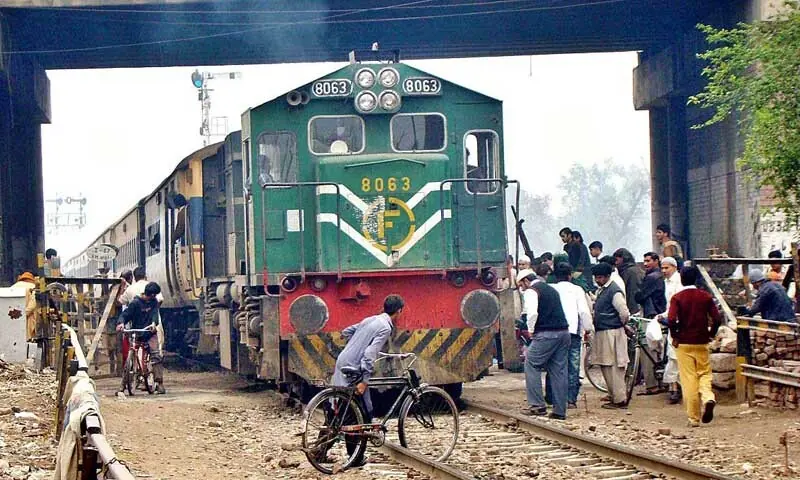

TAXILA: A potentially catastrophic train accident was narrowly averted when the driver of the Thal Express demonstrated exceptional presence of mind, halting the train just in time after a landslide blocked the railway track between Jhalar and Salmanabad stations in the Kala Chitta mountain range, about 25 kilometers from Attock, on Wednesday night.
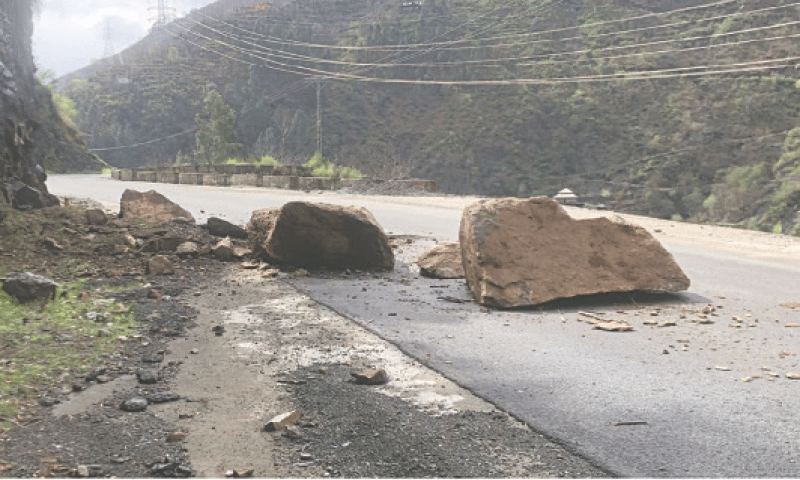
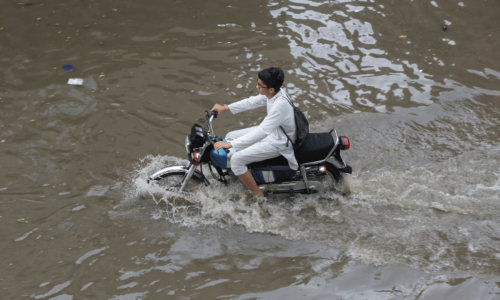
According to railway officials, heavy rainfall and severe weather triggered a landslide in the mountainous terrain, sending large boulders crashing onto the railway track. Owing to the remoteness of the area and lack of immediate communication, railway authorities remained unaware of the obstruction.
The Multan-bound Thal Express, en route to Rawalpindi, encountered the affected stretch shortly after passing Salmanabad station. Sensing danger ahead, the driver immediately stopped the train, preventing what officials later described as a “major disaster.”
The train was then reversed and stationed at the isolated Salmanabad railway station. Scores of passengers were left stranded for nearly six hours under extremely difficult conditions, with no access to basic facilities such as food or drinking water.
“We were terrified and exhausted,” said Safia Bibi, who was travelling with her children.
“There was no water, no food, and no proper shelter. My children were crying from hunger and cold. It was a very distressing situation, especially for families.”
Another passenger Rabnawaz Niazi added, “There were no arrangements by the railway authorities to deal with such emergencies. It was the local villagers and passengers themselves who stepped in and started removing stones from the track.”
The passengers reported that, in the absence of modern equipment, local residents and passengers used traditional tools and manual labour to break and clear heavy rocks from the track.
Despite initial assurances from railway engineers that the track would be cleared within two hours, the operation took approximately six hours to complete.
“The crane from the railway department arrived very late,” said Ihsan Ullah.
“By the time it reached, most of the work had already been done by the local people,” he added.
They said that as soon as authorities got information rescue teams. both from Attock and Mianwali were mobilised to clear the track for the train.
Published in Dawn, April 10th, 2026