0
0

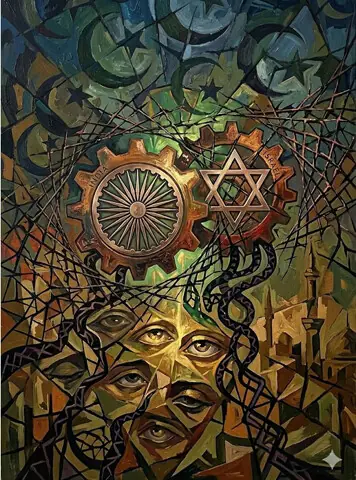
INDIA has chosen Israel over principle, and the consequences are already rippling across the Muslim world. Narendra Modi’s decision to visit Israel just days before it attacked Iran, hailed in India as a ‘diplomatic triumph’, was in reality a glaring display of hypocrisy, double standards and moral compromise.
Marketed as a major milestone in trade, defence and technology, the visit signalled a dangerous pivot because transactional advantage was placed above ethical consistency, historical commitments and regional stability.
For all of India’s Muslim partners — from Iran to the Gulf states — the promises of today may well come at the cost of tomorrow’s casualties. India’s historical support for Palestinian self-determination and its careful balancing under the Non-Aligned Movement (NAM) have steadily lost steam under Modi. Today, the country embraces Israel while Gaza suffers humanitarian catastrophe and Palestinians face forced displacement in the West Bank.
International human rights organisa- tions, including Amnesty International, Human Rights Watch, and United Nations fact-finding missions, have documented systematic abuses meeting thresholds for war crimes, ethnic cleansing, and, as some experts contend, genocide. Yet, India maintains strategic silence while engaging in defence and intelligence agreements, tacitly endorsing policies it once condemned.
The domestic backlash has been sharp. The Indian National Congress and civil society groups have criticised Modi for abandoning India’s historic principles. Calls for him to acknowledge genocide during his Knesset address remain unheeded, mirroring Israel’s strategy of denial and normalisation. India’s endorse-
ment of such policies reflects a troubling convergence with Israel’s own record of human and minority rights violations.
This alignment sends a stark warning to Muslim-majority states. Iran’s Chabahar Port, designed to provide India access to Afghanistan and Central Asia, has faced delays as India prioritises its Israeli axis. Other trade, energy and infrastructure partnerships reveal the same pattern.
India’s foreign policy is no longer principled, but transactional. Israel itself exacerbates regional instability, and India risks entanglement in conflicts that threaten energy security, trade and the welfare of expatriates in West Asia.
Ultimately, Modi’s Israel visit should have worked as a wake-up call to the Muslim world. It exposed the erosion of India’s moral authority, the normalisation of policies reminiscent of Israel’s violations, and the fragility of historically trusted partnerships.
Muslim states and regional observers must recognise that India’s alignment with Israel is selective, transactional and potentially perilous. Vigilance and principled engagement are now essential.
Majid Burfat
Karachi
Published in Dawn, April 4th, 2026