0
0

Chinese authorities have banned entombing cremated remains in cheap apartments, a practice that had gained popularity as mourners took advantage of the subdued housing market to dodge rising funeral costs.
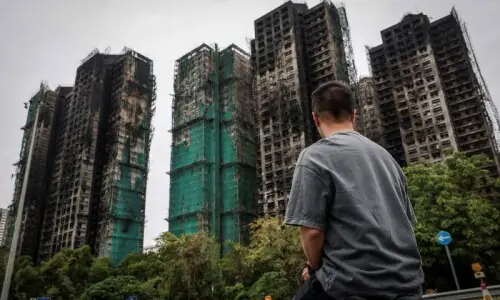
“Bone-ash apartments” are units in often barely occupied residential complexes used by some families as resting places for their loved ones’ remains.
They can be cheaper than a public cemetery plot, according to local media, as well as giving families more control over the site.
Acquiring one “kills two birds with one stone”, Carsten Herrmann-Pillath from Germany’s Erfurt University told AFP.
“It’s an investment and eases the (process of carrying out) ritual practices.” But regulations that came into force on Monday explicitly ban “the use of residential dwellings specifically for the interment of ashes”.
Bone-ash apartments are often identifiable by sealed-off windows or closed curtains, according to Chinese media reports.
A resident quoted by the Communist Party-run Legal Daily newspaper described peeking inside an apartment in his estate to see two candlesticks around a black box and a black-and-white portrait, a typical arrangement in China for commemorating the dead.
The ban comes days before the Qingming Festival, also known as Tomb Sweeping Day, when families traditionally visit relatives’ graves to tidy them and make ritual offerings.
Human remains are only permitted to be buried in designated areas such as public cemeteries, according to the State Council, China’s cabinet.
Demand for cemetery plots is increasing though, as China’s population ages and deaths outpace births.
In 2020, funerals cost nearly half of the country’s average annual salary, according to a survey by British insurance firm SunLife.
On Tuesday, China’s market watchdog announced new rules to tackle fraud and a lack of transparency in funeral pricing to “reduce the burden of funerals on the masses”.
The price of apartments meanwhile has continued to fall as consumer confidence remains low and a long-running property sector crisis lingers.
Debt and stalled construction have plagued leading firms since 2020, when curbs on excessive borrowing and speculation dramatically narrowed access to credit.