Petroleum dealers postpone strike in light of Middle East conflict
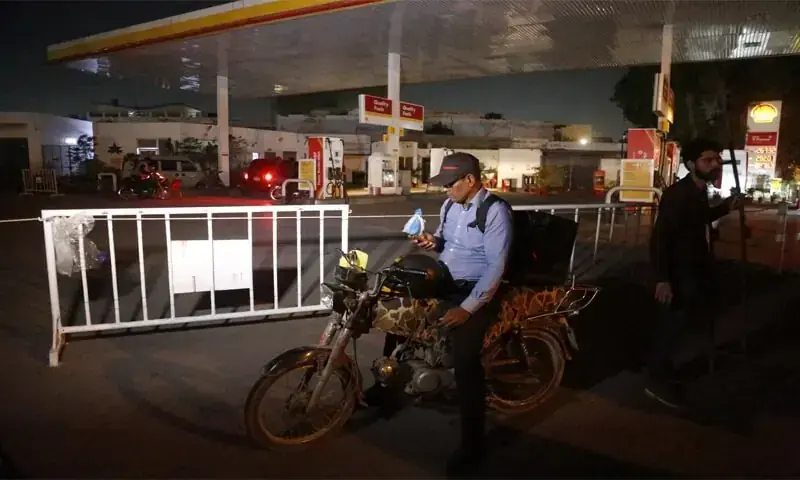


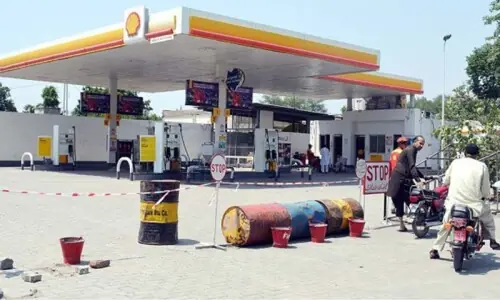
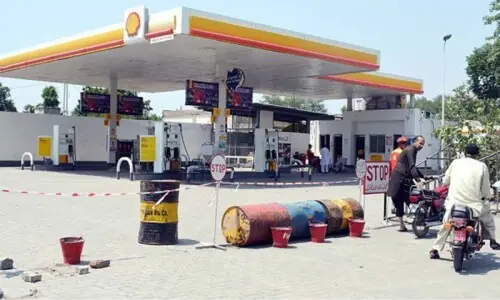
KARACHI: Petroleum dealers announced on Wednesday that they were postponing a strike they planned to begin on March 26, keeping in view the situation resulting from the ongoing Middle East conflict, which has given rise to a global fuel crunch and supply uncertainties.
Pakistan Petroleum Dealers Association (PPDA) Chairperson Abdul Sami Khan told Dawn that “we have postponed the strike, keeping in view the hardships consumers will face if the war escalates and leads to a supply chain crisis of petroleum products”.
He did not give a confirmed date till when the strike was being postponed.
Asked if the PPDA would call a strike in the near future, he said, “I cannot confirm right now as the situation is highly volatile.”
The association had announced the strike on March 13 and given the government until March 26 to revise the petroleum dealers’ margin from 2.59 per cent to 8pc in the wake of a Rs55 per litre hike in diesel and petrol rates.
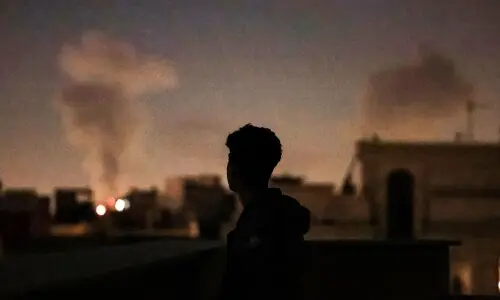
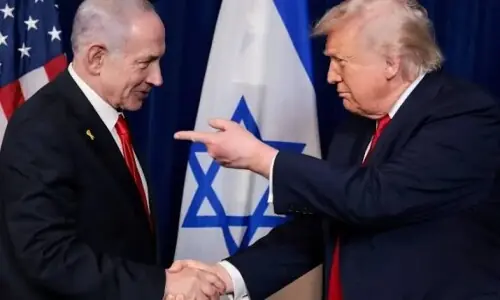
The decision to raise the prices was announced on March 6 as Pakistan felt the first direct economic impacts of the US-Israel war on Iran in a big way.
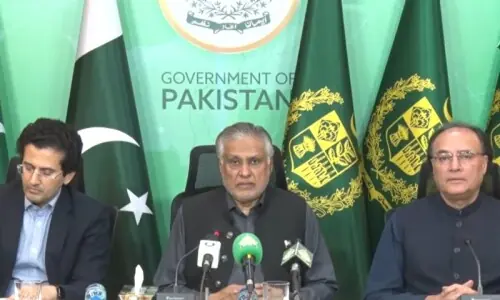
The PPDA chairperson said that the Economic Coordination Committee (ECC) had recommended an increase in dealers’ margin on petrol and diesel, before the Rs55 per litre hike. But, he claimed, the prime minister had suspended the implementation, and the margin remained unchanged even after the price hike.
He said thus far, there had not been a “severe crisis of petrol and diesel” as dealers were getting the required quantities from the oil marketing companies (OMCs).
On reports that the government had finalised a mobile application-based quota system for fuel for two- and three-wheelers, which may possibly include up to 800cc vehicles, to ensure a targeted subsidy to the low-income strata and to minimise oil consumption through pricing signals, he said: “The government has not taken petroleum dealers into confidence in this regard.”