War-linked power crunch pushes Sri Lanka to 4-day week


 0
0
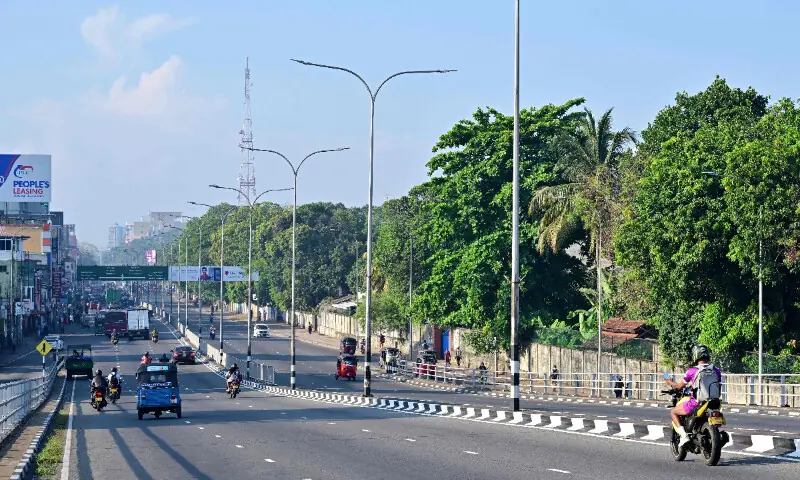

Millions of Sri Lankans enjoyed a government-ordered extra day off on Wednesday as the island nation battles an energy crisis triggered by the Middle East war.
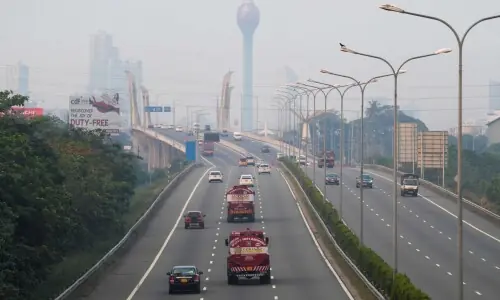
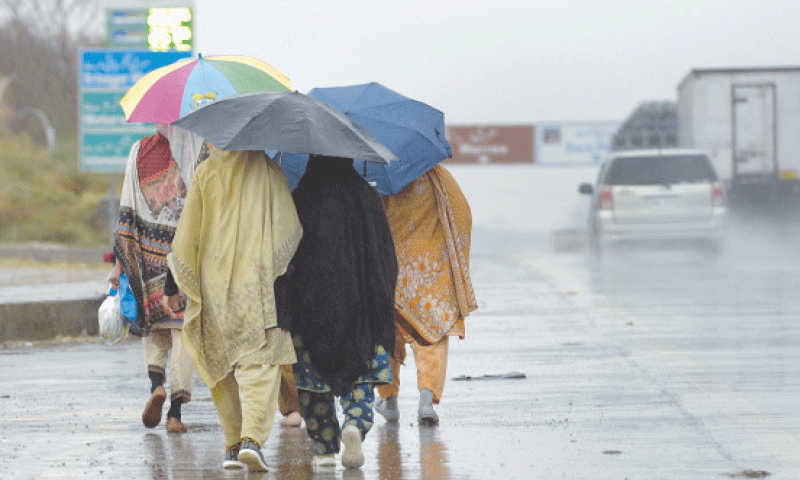
Rail and bus stations were largely deserted as most state institutions, schools and universities shifted to a four-day working week.
“I am really enjoying the mid-week break because it is a fully paid holiday,” said housing ministry official Prarthana Perera, 40.
Her office, like many government departments in Battaramulla — the capital’s main administrative hub — was closed.
Banks operated on shorter hours, while many private firms introduced work-from-home arrangements, industry bodies said, urging members to help curb energy use.
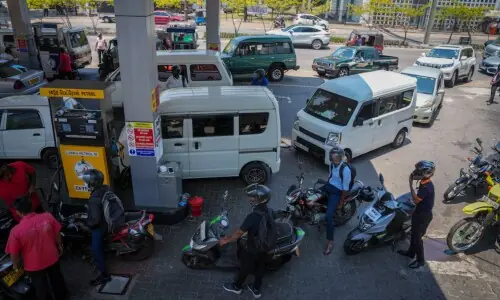
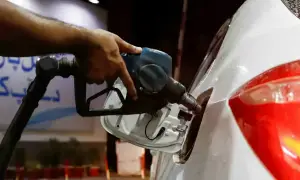
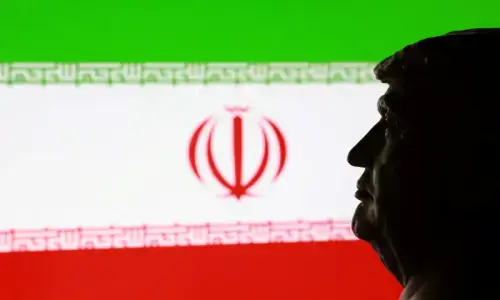
Sri Lanka has already raised fuel prices by a third since the United States and Israel began bombing Iran, triggering retaliatory attacks that have disrupted global energy supplies.
About half of Sri Lanka’s electricity is generated by coal and diesel.
The cabinet has set a target of cutting electricity consumption by 25 per cent, ordering street lamps switched off and asking civil servants to use table fans instead of power-hungry air conditioners.
Shipping executive Varuna Perera welcomed the day off but was uncertain of its impact.
“It will not be effective in the long term,” Perera said. “But the government will have a breather for a couple of weeks, to save some energy.”
Environmental lawyer Ravindranath Dabare was more sceptical, arguing the move would have a limited impact as those needing government services would have to travel on other days.
“We can’t close hospitals … the doctors and health officials can’t work from home,” Dabare said.
The influential Chamber of Commerce said it had urged members to follow government guidelines or adopt remote work where possible, if “business continuity can be effectively maintained”.
And Sri Lanka’s leading technology firm WSO2 made working from home mandatory for its 500 employees on Tuesdays and Thursdays.
“This is our way of contributing to the national cause,” WSO2 spokeswoman Zaithoon Bin-Ahamed told AFP.
‘Improving productivity’
Media Minister Nalinda Jayatissa said the government had yet to assess the impact of the energy-saving measures, but expected broad compliance.
Sri Lanka has been running coal and diesel power plants at full capacity to meet electricity demand.
President Anura Kumara Dissanayake urged electric vehicle owners not to charge their cars overnight, as they would add a surge to an already strained grid.
He asked motorists instead to plug in during the day, when excess solar power is available.
Officials said the country’s diesel stocks are sufficient to last until mid-May, while petrol could last a week longer.
The government is seeking oil supplies from Russia and hopes to tap Iran for crude oil, Jayatissa said.
Political commentator Kusal Perera said the crisis also presented scope to boost productivity across the state sector.
“They must use this opportunity to have a national dialogue on improving productivity,” he told AFP. “We have to address the inefficiency in the public sector. “