Blow to Meloni as she suffers referendum defeat
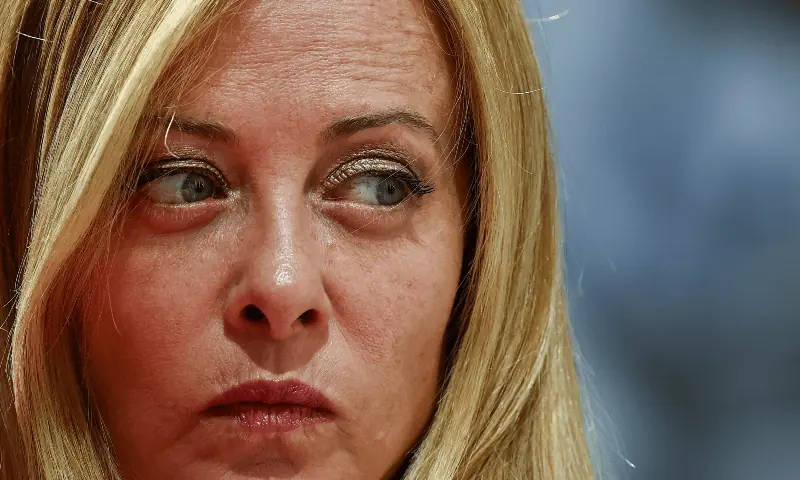
ROME: Italian Prime Minister Giorgia Meloni conceded defeat on Monday in a referendum on justice reform, but despite the major blow to her far-right leadership, she insisted she was going nowhere.
With almost all ballots counted from the Sunday-Monday vote, the “No” camp was at almost 54 per cent, compared to just over 46 percent for “Yes”, according to official figures. During the campaign, Meloni had insisted the referendum, which concerned the role and oversight of judges and prosecutors, was not about her own leadership of the government.
And she repeated this Monday, saying “the Italians have decided”, but adding that “this does not change our commitment to continue”. Yet she had forcefully campaigned for the proposals, alongside her coalition partners in the hard-right government, while the opposition parties had fought for a “No”.
Daniele Albertazzi, a professor of politics at the UK’s University of Surrey said it was a “bad, bad result” for Meloni. “It means she has lost the Italian electorate on a major issue in her manifesto, and one of the key proposals of the right… for the past 30 years,” he said.
It is the first such setback for Meloni, who has led an uncharacteristically stable coalition government since October 2022 and faces parliamentary elections next year.
“If the centre-left gets its act together, this is going to help them. Because it means that her image as unbeatable is not there any more,” Albertazzi said. Turnout was relatively high for a referendum, at almost 59 per cent.
The referendum, voted Sunday and Monday, sought to separate the role of judges and prosecutors and change their oversight body in what the government cast as necessary measures to ensure impartiality in the courts. But critics said it was an attempt to exert more control over independent judges, whose decisions Meloni’s ministers have often attacked in public.
Published in Dawn, March 24th, 2026