IMF raises concern over global inflation, output over US-Israel war on Iran


 0
0
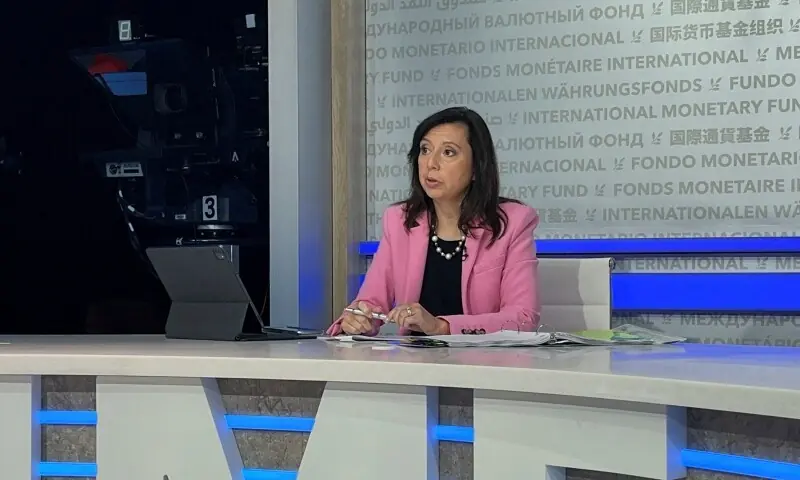

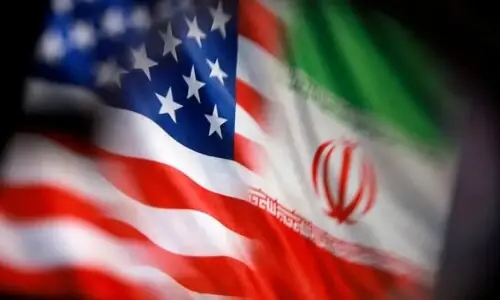
The International Monetary Fund (IMF) said on Thursday it was monitoring the impacts of the US-Israel war on Iran on global inflation and output, but that no countries had so far approached it for emergency assistance related to the conflict.
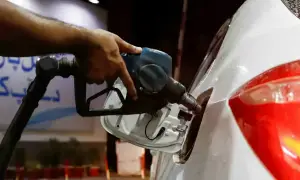
“If prolonged, higher energy prices will lead to higher headline inflation,” said IMF chief spokesperson Julie Kozack at a press briefing.
Kozack said that if oil prices remained above $100 for a year or more, the estimated impact on global inflation could be a rise of up to two percentage-points, with output dropping one percentage-point, according to “a broad rule of thumb.”
She also confirmed that the IMF had “not received any formal requests for emergency financing” in the wake of the US-Israel war on Iran.
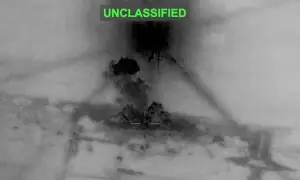
The US and Israel launched strikes on Iran on February 28, sparking a war that has engulfed the Middle East and seen Tehran virtually blockade the key Strait of Hormuz waterway.
About 20 percent of the world’s oil and natural gas passes through the strait, and the crisis has sent energy prices spiralling, with potential knock-on effects on inflation worldwide.
On Thursday, international benchmark Brent crude was trading at around $110 a barrel — up 52 per cent from before the war.
Kozack said the world’s most economically vulnerable states would be first in line to feel the fallout.
“They have limited policy space, limited buffers and this in a world where financing conditions may be becoming more challenging for them,” she said.
Kozack highlighted that the Fund was monitoring developments on commodity prices, inflation and global financial conditions in the wake of the war.
She stressed that countries would feel the effects in a variety of ways, particularly when it comes to commodity prices, depending on the structure of their economy.
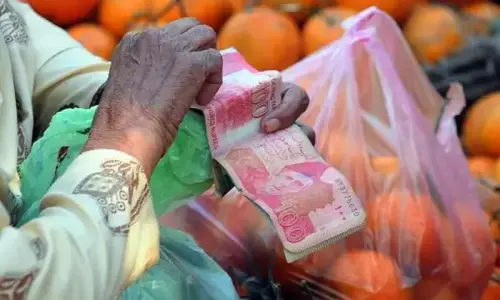
Food prices were another area of concern.
“Fertiliser shipment has been disrupted (due to the conflict), and this, along with transportation disruptions, raise risks that we could see increases in food prices, and those could be substantial, again, depending on the duration and intensity,” she said.