Rupee remains stable despite regional war pressures
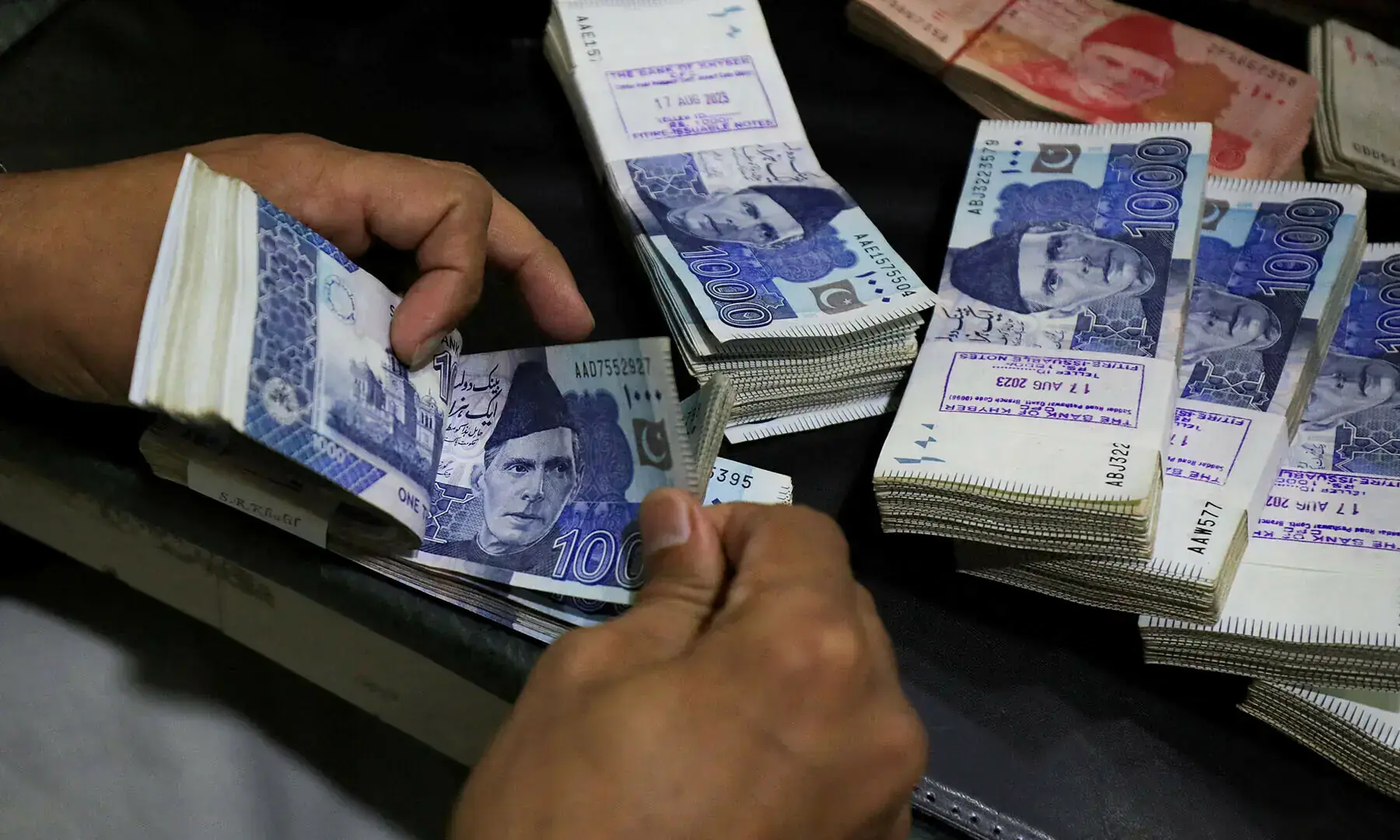

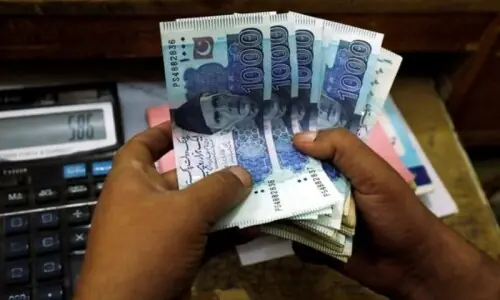
KARACHI: Despite 19 days of war in the Middle East, Pakistan’s exchange rate remained stable, encouraging stakeholders, including the State Bank of Pakistan (SBP) and the government.
The exchange rate has largely remained stable during the current fiscal year, and predictions of destabilisation proved unfounded despite the prolonged conflict.
This stability comes as regional currencies weakened; the Indian rupee depreciated by up to five per cent from Rs88 to Rs92 against the US dollar during the war, while fears of further depreciation persist.
Financial sector experts believe the exchange rate is being managed to some extent, though they caution that continued war could still pose risks.
Flights to Dubai, Umrah travel continue; airfares surge
“This is highly appreciable and extremely supportive for the country that, despite almost three weeks of war, the exchange rate is under control,” said Zafar Paracha, a currency dealer.
Exporters, however, fear that the ongoing Middle East conflict could reduce exports to the region, while production and shipping costs have risen significantly.
Currency dealers in the interbank market said importers are facing payment challenges, but dollar availability has improved due to better reserves held by the SBP and commercial banks.
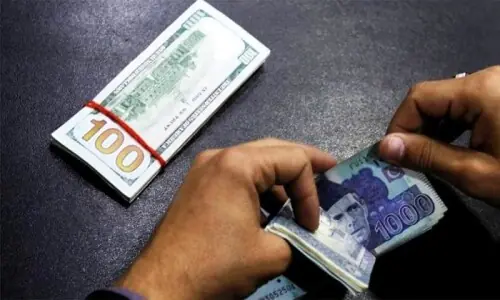
The Exchange Companies Association of Pakistan (ECAP) said that the US dollar in the interbank market appreciated slightly by two paise to Rs279.45 on Wednesday, while the open market rate stood at Rs290.32.
The financial sector also views ongoing talks with the IMF as supportive for the rupee. The government has described these discussions as positive.
“This is also a positive indication that remittance inflows remained strong, showing growth during the first eight months of FY26,” said Mr Paracha, adding that overseas Pakistanis remained confident about sending money home.
He noted that consignments of foreign currencies (other than US dollars) are regularly sent to Dubai for conversion into dollars and brought back to Pakistan. Flights to Dubai have continued despite the regional conflict.
He added that Umrah travel remains uninterrupted, with thousands of Pakistanis still travelling to Saudi Arabia, although airfares have surged sharply.
Return ticket costs for Umrah have increased from Rs150,000-200,000 before the war to Rs300,000-400,000 for one-way travel. While overall air travel to the Middle East has declined, it has not been completely disrupted.
Published in Dawn, March 19th, 2026