Shipping lines increase war-risk surcharges
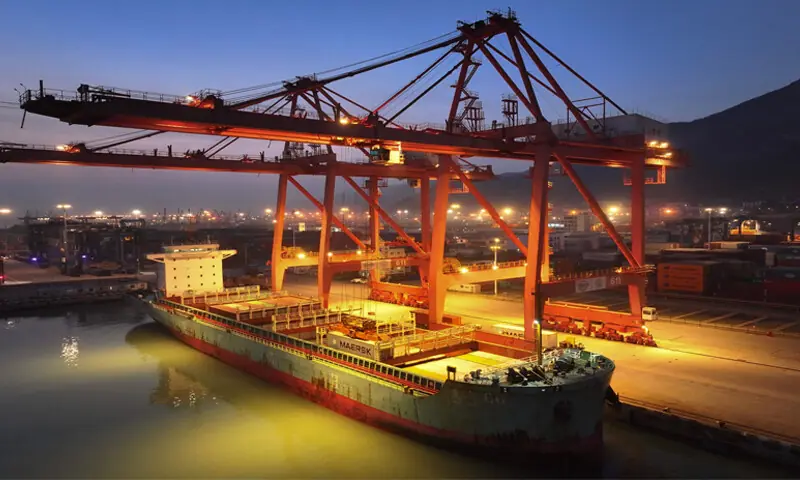
KARACHI: Pakistani exporters are facing mounting cost pressures as new surcharges imposed by global shipping lines and air cargo handlers — triggered by the Middle East conflict — threaten to erode competitiveness, disrupt supply chains and deepen external-sector risks.
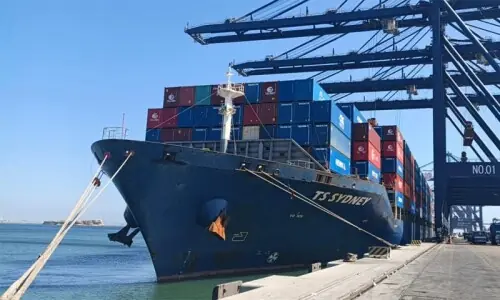
Shipping giant Maersk has announced an increase in its Emergency Contingency Surcharge (ECS) for shipments from Pakistan and the wider subcontinent to West Africa, effective April 1.
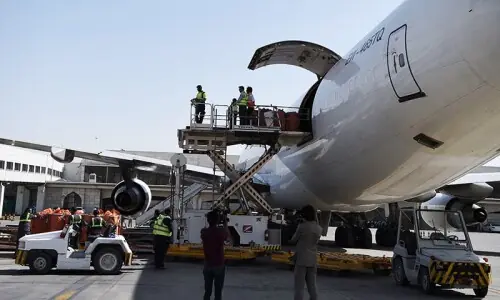
Menzies RAS and Gerry’s Dnata imposed Rs25-50 per kg “ad hoc charges” on export cargo, in addition to heavy war risk and emergency conflict charges by shipping lines.
A UAE-based airline has also announced supplementary freight charges of $0.70 per kg on exports from Pakistan, effective March 19, 2026, citing changes in market conditions.
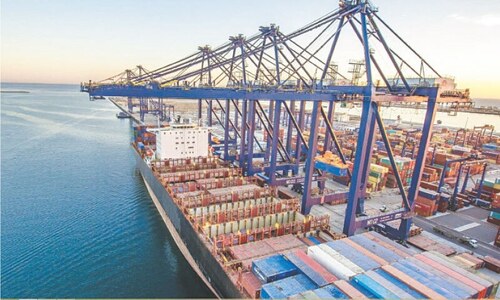
The outbreak of war in the Middle East has led to the imposition of war-risk and emergency conflict surcharges ranging from $3,500 to $4,000 per twenty-foot equivalent unit (TEU), depending on the shipping line.
All Pakistan Meat Exporters and Processors Association Chairman Mian Abdul Hanan urged the commerce ministry to immediately intervene and stop what he described as “unauthorised and unjustified ad hoc charges”, warning that consignments would be held back if the payments were not made.
He said the additional charges from Gerry’s Dnata would amount to about $180 per tonne, sharply increasing logistics costs and making Pakistani meat less competitive in global markets at a time when the country is trying to boost exports.
Expressing concern that Rs25-50 per kg charges could damage the credibility of Pakistan’s export supply chain, he questioned their legality, arguing that exporters were not the appropriate party to bear such costs.
“All relevant handling and service charges are already paid by the airlines, and any operational or financial matters should be resolved between the airline and the service provider rather than passed on to exporters,” he said.
Senior Vice President of the Federation of Pakistan Chambers of Commerce and Industry (FPCCI) Saquib Fayyaz Magoon said the Pakistan International Freight Forwarders Association and the Air Cargo Agents Association of Pakistan had also expressed serious reservations.
Published in Dawn, March 18th, 2026