Gulf crisis sparks drug supply fears; pharma costs seen rising
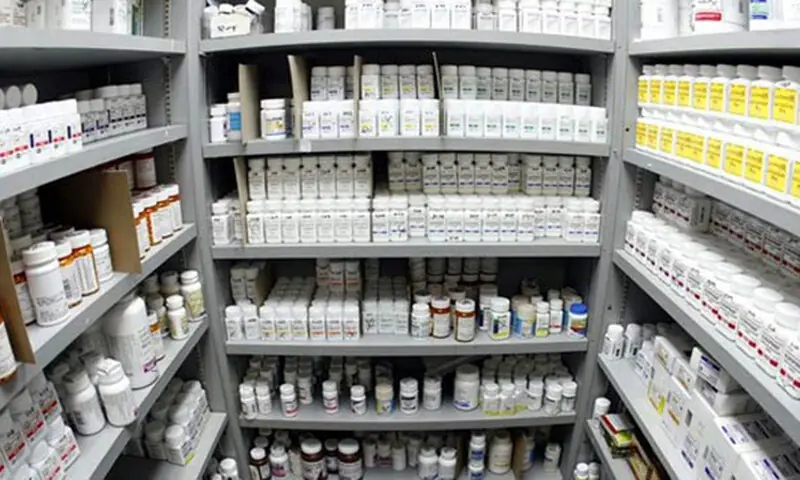
• Drap says Pakistan has sufficient drug stocks for three months, with alternative supply routes being explored
• Pharmaceutical manufacturers foresee rising production costs due to higher energy prices and possible rupee devaluation
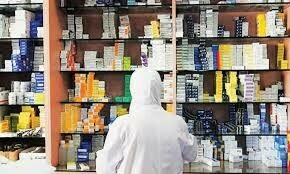
ISLAMABAD: While the cost of medical treatment has already become unbearable for the majority of families in Pakistan, the ongoing Middle East crisis has triggered rumours that the availability of life-saving drugs may become an issue in coming weeks.
The situation has also provided an opportunity for unscrupulous elements to black-market medicines.
On the other hand, pharmaceutical manufacturers foresee the cost of manufacturing rising if the conflict continues, as it could further increase energy prices and lead to the devaluation of the Pakistani rupee.
However, the Drug Regulatory Authority of Pakistan (Drap) does not foresee any sudden price hike, saying that stocks sufficient for three months are available within the country. It says alternate routes are being explored to ensure an uninterrupted supply of raw materials.
It is worth mentioning that Pakistan heavily relies on imported Active Pharmaceutical Ingredients (APIs) and other essential raw materials, a major portion of which is imported via Middle Eastern countries. The ongoing tensions in the region could therefore disrupt supply chains of these materials.
An official of the health ministry, requesting anonymity, said the ministry was well aware that the majority of local manufacturers keep limited stocks of raw materials due to financial constraints, and any disruption in international supply chains could immediately create a shortage of medicines in the local market.
“On the other hand, we are also aware that the cost of freight and insurance for shipments coming through Gulf routes has increased due to the sudden spike in fuel prices and the prevailing security situation. That is why we are in contact with pharmaceutical sector and Drap to assess stock levels and ensure that essential medicines remain available,” he said.
Replying to a question, he agreed that if current tensions continue to escalate, Pakistan’s healthcare system could face serious pressure.
Consultant gastroenterologist and hepatologist Dr Talal Khurshid, while talking to Dawn, urged health authorities to take immediate notice of potential medication shortages in Pakistan due to the ongoing Middle East crisis and disruptions in global supply chains.
He emphasised that uninterrupted access to medicines was critical for patients suffering from chronic diseases.
“For patients with conditions such as diabetes, hypertension and chronic liver diseases, including cirrhosis, medications are not optional—they are life-sustaining treatments,” he added.
He warned that even short interruptions in medication availability can lead to serious complications. Patients with diabetes may develop uncontrolled blood sugar levels, hypertensive patients face increased risks of stroke and heart attacks, while individuals with cirrhosis may rapidly deteriorate without essential medications used to control complications such as ascites, infections, and hepatic encephalopathy.
Pakistan Pharmaceutical Manufacturers Association (PPMA North) Chairman Usman Shaukat, while talking to Dawn, said the pharmaceutical industry currently does not foresee any shortages of life-saving medicines, as raw materials for production are available for three months.
“Additionally, PPMA and Drap are working closely with the pharmaceutical industry to ensure alternative supply chains are established, preventing disruptions in material supplies. Due to these proactive efforts, the industry is expected to be in a strong position to address any future shortages of medicines,” he said.
Executive Director Pharma Bureau Ayesha Tammy Haq told Dawn there were no shortages at the moment.
“There are enough stocks of essential medicines for at least the next couple of months. I sincerely hope that rumours are not being spread by unscrupulous elements who may use them to black-market products. Throughout Covid-19 we continued to manufacture medicines and there were no shortages. It will always be our endeavour to ensure a regular supply of medicines,” she said.
Drap Chief Executive Officer Dr Obaidullah Malik, while speaking to Dawn, said that the regulatory body had carried out a complete analysis of the situation.
“The leading 200 manufacturers have stock of the medicines sufficient for three months. Out of this, half is finished product and half is available in the form of raw material. It can be said that Pakistan is in safe zone,” he claimed.
Replying to a question, he said that a number of APIs were imported from China, but about 15 per cent of them pass through Gulf countries.
Responding to a question about medicines for rare diseases, Dr Malik said that these medicines are imported from the UAE, Singapore, Turkiye and other countries.
“We have also held a meeting to review vaccine stocks in Pakistan and it is satisfactory that the country can ensure uninterrupted vaccine supply for two months,” he said.
“All routes apart from the Gulf are open. We have also made a QR code available on the Drap website so people can lodge complaints regarding the unavailability of medicines for rare diseases. They will be contacted by Drap and their issues will be addressed,” he said.
Rare diseases affect a small percentage of the population and are often genetic disorders, rare cancers, infections or immune conditions. Due to low demand, most pharmaceutical manufacturers in Pakistan do not produce these medicines locally.
Published in Dawn, March 17th, 2026