KP govt scales back use of 60pc vehicles to conserve fuel
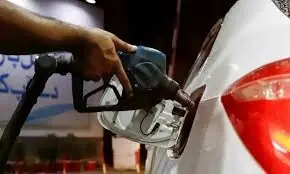
PESHAWAR: The Khyber Pakhtunkhwa government has decided to halt the use of 60 per cent of official vehicles in all establishments of the provincial government for the next two months to conserve fuel in light of the disruption of supplies due to a war in the Middle East.
“In view of the evolving regional situation affecting petroleum supplies and possible pressure on national foreign exchange reserves, the government of Khyber Pakhtunkhwa has decided to ground sixty per cent (60pc) of the official vehicles in its all establishments for a period of two months,” the administration department said in a notification. It directed the principal accounting officers of its all establishments to ensure compliance with the decision.
The department, however, said that police operational duties, law-enforcement operations, Rescue and emergency services and field enforcement units would be exempted from the decision.
Through another notification, the establishment department notified a 25pc reduction on monthly fuel entitlement of the official vehicles.
A notification from the transport wing of the administration department said that in view of the evolving regional situation affecting petroleum supplies and possible pressure on national foreign exchange reserves, the KP government was implementing a 25pc reduction on monthly fuel entitlement of the officials for the next two months.
The notification said that fuel ceilings of ministers, advisers, special assistants to chief ministers and parliamentary secretaries had been reduced from the existing 390 litres to 292 litres, while vehicle fuel limit of the chief secretary, additional chief secretaries, senior member board of revenue and finance secretary had been reduced from the current 146 litres to 110 litres per month.
Fuel entitlement of officials already cut by 25pc
Also, the monthly fuel ceilings for all other administrative secretaries, commissioners and regional police officers for Hazara and Malakand regions have been reduced from the existing 130 litres to 98 litres and for all other commissioners and regional police officers, chairmen of the chief minister’s and governor’s inspection teams from 114 litres to 85 litres.
The government has also reduced fuel ceilings for the chairman of the KP Public Service Commission, service tribunal and other officers in BPS-20 from the current 90 litres to 74 litres. Besides, fuel limit of all secretariat officers above deputy secretaries, senior engineers and executive engineers has also been cut from the existing 85 litres to 64 litres and that for divisional directors and divisional level officers of health , agriculture, local government and forest conservator from 72 litres to54 litres per month.
The government has curtailed monthly fuel ceilings for the district health officers, district forest officers and other district officers from the existing 59 litres to 45 litres and those for KP House Islamabad from 715 litres to 535 litres.
However, the fuel limit for deputy commissioners, additional deputy commissioners, assistant commissioners and police officials, police stations and traffic police will remain unchanged, according to the notification.
Also, the establishment department issued a duty roaster for staff members to “rationalise office attendance to reduce community and fuel consumption”.
Meanwhile, the Peshawar High Court issued an order detailing austerity and fuel conservation measures with immediate effect.
A notification by the court’s register said that there would be regular court work four days a week (from Monday to Thursday)as per working hours already notified.
“There shall be a 50 per cent cut on POL of judges of this court. However, the institution branch shall remain functional on Friday and Saturday with bare minimum staff on rotation basis,” it said.
Through another order, the high court notified four working days for the district judiciary from Monday to Thursday a week.
It said that on Fridays and Saturdays, judicial officers would deal with urgent civil and criminal matters only in accordance with the rota of duties formulated by the relevant district and session judge.
Published in Dawn, March 13th, 2026