Private schools’ associations oppose closure of educational institutions to conserve fuel in Karachi


 0
0

KARACHI: Following the decision of the Sindh cabinet regarding the closure of schools and colleges for two weeks due to the ongoing fuel crisis, several private schools’ associations have shown their concern and disapproval of the energy conservation measures.
The Private Schools’ Management Association (PSMA) has requested the Sindh government to take decisions related to educational institutions after considering the educational problems of the province.
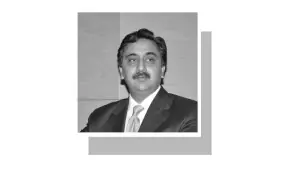
PSMA Chairman Danish Uz Zaman said that educational institutions in Sindh cannot afford complete holidays under any circumstances. He added that the country needs to impose an education emergency more than worry about an “energy crisis”.
“This is the most important time of the academic session for students. In most educational institutions, students from first to eighth grades are preparing for their annual exams. There are exams being conducted in many educational institutions right now,” he pointed out.
Suggest opening institutes for three or four days a week; say online classes didn’t prove effective during Covid-19 pandemic
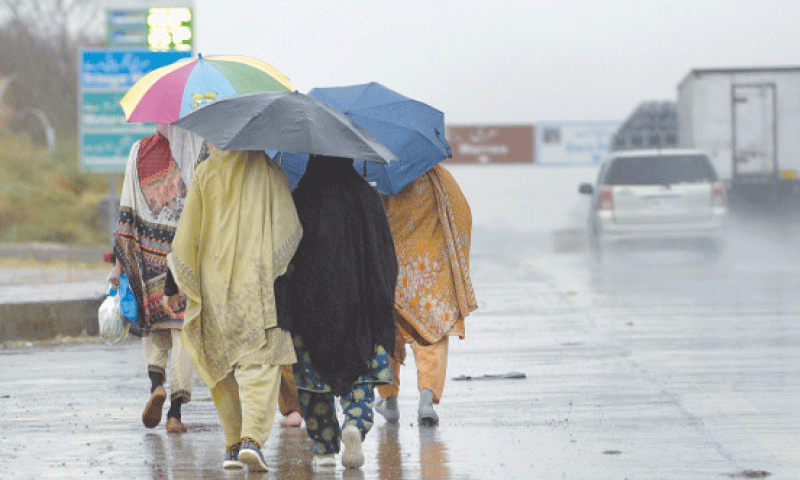
“Therefore unauthorised vacations will affect the entire academic session of 2026-27,” he said, adding that a large number of students walk to school, which has nothing to do with the energy crisis.
“The education system in Sindh faces more difficulties than other provinces,” the PSMA chairman said.
He reminded that about 7.5 million children are out-of-school in Sindh, which is 31 per cent of Pakistan’s out-of-school students.
“Out of the 360-day academic session, only 160 days remain in the academic session after you deduct the summer vacation, winter vacations, weekends, gazetted holidays, and the examination month. If full holidays are granted at the beginning of the session, there is a risk of an increase in the number of out-of-school students.
“Furthermore, closing educational institutions could create a severe educational crisis which has no alternative way of addressing. The Sindh chief minister and education minister should prioritise decisions in the best interest of students and avoid complete closure of educational institutions,” Danish Uz Zaman said, adding that an alternative approach should be taken to address the crisis and schools should be allowed to open for three days a week with two days off.
The All Private Schools’ Management Association (APSMA) has also expressed its concern over the decision to close schools due to the fuel crisis.
APSMA-Sindh Chairman Syed Tariq Shah stated that the association supported the government’s policy aimed at ensuring efficient use of energy and conservation during this challenging period. But while acknowledging that the country is currently facing a difficult situation due to fuel shortages, he expressed concern that the complete closure of educational institutions might not be the most practical solution.
“While we understand and support the government’s efforts to conserve energy in this time of crisis, closing schools entirely may not be a wise decision,” he said.
“The option of shifting to online education was already tested during the Covid-19 pandemic and it did not prove effective for a large number of schools,” said Shah.
He further explained that many schools, especially government institutions and low-fee private schools, do not have the infrastructure required for effective online learning.
“In addition, many parents are also unable to fully shift their children to online education due to limited resources, lack of digital devices, internet access issues, and frequent power breakdowns in several areas. These ground realities must be considered before taking such decisions,” he added.
He also suggested that instead of closing schools completely, the government could reduce the number of school days as part of the energy conservation strategy.
“Just as office working days have been reduced in certain sectors, a similar model can be adopted for educational institutions. Schools may operate four days a week instead of five, which would help reduce fuel consumption while ensuring continuity in students’ learning,” he said.
Mr Shah also urged the Sindh education minister to review the matter carefully in light of the ground realities of the province.
“We request the education minister to take a wise decision for Sindh. The matter should be discussed in the Steering Committee already constituted by the Sindh government, so that all stakeholders from the education sector are taken on board before implementing such a decision,” he concluded.
Meanwhile, the All Sindh Private Schools and Colleges Association (ASPSCA) has accepted the government’s decision as its chairman Syed Haider Ali said the energy crisis is a serious matter.
Published in Dawn, March 11th, 2026