Two selection boards established in KP for promotion of govt officials


 0
0
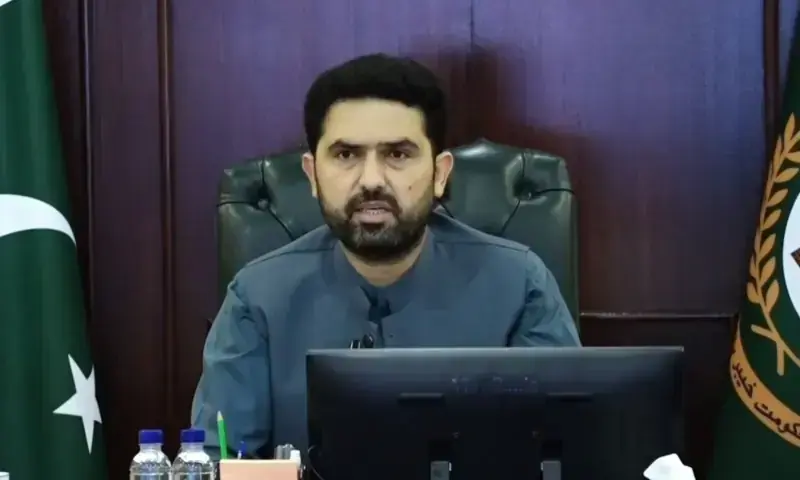

PESHAWAR: The Khyber Pakhtunkhwa government has introduced new rules for the promotion of its employees, saying the initiative is meant to make the process “more organised, transparent and merit-based”.
According to a notification issued by the administration department on Monday, the Khyber Pakhtunkhwa Civil Servants Promotion Rules, 2026, have been approved by the chief minister and they have come into effect immediately.
Under the new system, two provincial selection boards have been established.
One board will review promotion cases of officers eligible for higher grades, while the other will prepare recommendations for promotions of officials in middle grades.
Govt notifies new rules; mandatory training courses introduced for higher promotions
“The senior selection board will be headed by the chief secretary of Khyber Pakhtunkhwa, whereas the second board will be chaired by the additional chief secretary (general). In addition, departmental promotion committees will be formed at departmental and district levels to conduct initial scrutiny before sending recommendations to the relevant boards,” read the notification.
According to the new rules, positions from grade 19 to grade 21 will be treated as selection posts. Promotions to these grades will be decided based on performance reports, training evaluation and the overall assessment of the selection board. In contrast, grades 18 and below will be considered non-selection posts, where promotions will mainly be based on seniority and performance.
The promotion criteria for grade 18 will give full weight to performance reports. For grade 19 and above, the evaluation will consist of three components e.g. 40 per cent performance reports, 30 per cent training evaluation and 30 per cent overall assessment by the selection board.
The rules also specify the minimum service required for promotion. Officers must complete at least five years in grade 17 to be promoted to grade 18. A total of 12 years of service will be required for grade 19, 17 years for grade 20 and 22 years for grade 21.
Mandatory training courses have also been introduced for higher promotions. Officers must complete the Mid-Career Management Course for promotion from grade 18 to 19, the senior management course for promotion from grade 19 to 20 and a special course from the National Management or National Defence institution for promotion from grade 20 to 21.
The minimum qualifying marks have also been set as 60 per cent for grade 18, 65 per cent for grade 19, 70 per cent for grade 20 and 75 per cent for grade 21.
According to the rules, the employees who fail to meet these standards will not be considered eligible for promotion. Employees facing disciplinary proceedings, involved in misconduct, on foreign leave or serving long-term deputations will have their promotion cases deferred until the issues are resolved.
A deduction system has also been introduced for employees penalised. Five marks will be deducted for a major penalty, three marks for a minor penalty, and one mark for each adverse performance report.
“If an officer approved for promotion does not assume charge of the new position within one year, the promotion will automatically lapse. However, some relaxation has been granted to employees nearing retirement.”
The rules say officers who are under consideration for promotion within two years of retirement may be exempted from mandatory training courses, subject to a specific scoring system.
The administration department has directed all departments to issue posting orders for promoted employees within 30 days after approval by the selection board and the competent authority and warned officials responsible for unnecessary delays might be held accountable.
Published in Dawn, March 10th, 2026