0
0

• PPP, opposition parties call for end to aggression, peace in region
• MWM warns destabilising Tehran will directly affect Pakistan’s security, stability
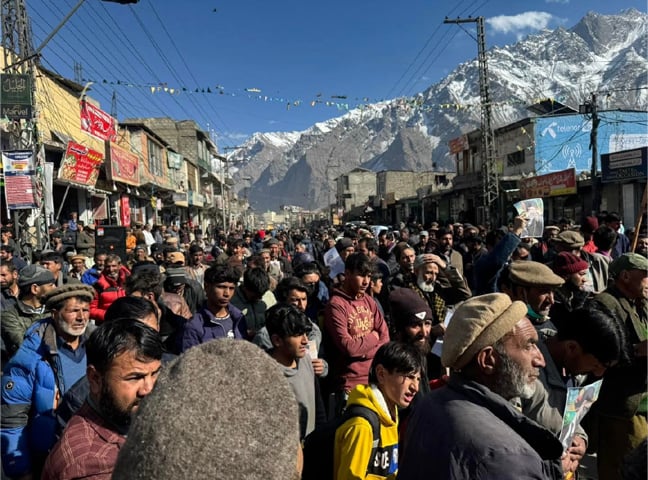
• Protests erupt across Gilgit-Baltistan, highways blocked
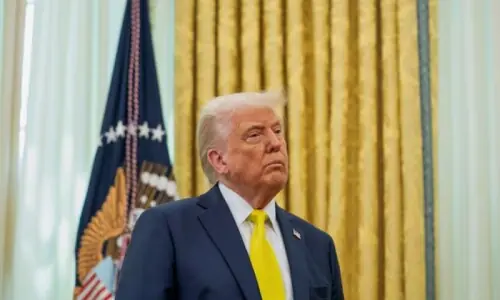
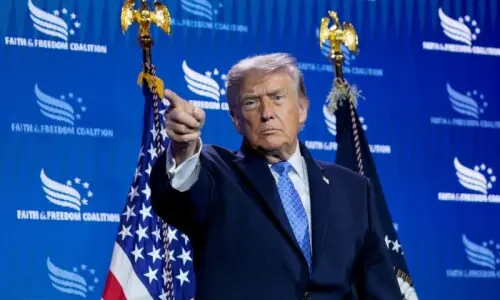
ISLAMABAD: Political figures in Pakistan on Saturday condemned the Israel-US aggression against Iran, particularly criticising US President Donald Trump, and warned that the escalation could have grave consequences for the region.
In a statement issued by the PPP Media Cell, former foreign minister Bilawal Bhutto-Zardari condemned the Israeli attack on Iran, calling it a “matter of serious concern” for regional peace. He said the “cowardly attack” was an attempt to divert attention from Israel’s atrocities in Gaza.
The PPP chairman called on the UN and the Organisation of Islamic Cooperation (OIC) to take all possible measures to stop the Israeli aggression. The international community, he added, must take notice of Israel’s open violation of Iran’s sovereignty and territorial integrity.
In a statement, the PTI said such reckless actions constituted a blatant violation of international law and the sovereignty of a regional state, further destabilising an already volatile Middle East. It added that Pakistan must adopt a principled foreign policy rooted in peace, regional stability, respect for sovereignty, and adherence to international law.
‘Directly affect Pakistan’
Addressing a press conference at the National Press Club in Islamabad, Leader of the Opposition in the Senate and Majlis Wahdat-i-Muslimeen (MWM) chief Allama Raja Nasir Abbas said the strike was carried out during ongoing negotiations in Geneva and warned that the involvement of two nuclear powers in military action against an Islamic country would have long-lasting consequences.
“No country has the right to violate Iran’s land, air, or maritime sovereignty,” he added.
He described the situation as not only a political crisis but also a humanitarian tragedy, noting that schoolchildren were among the victims. He warned that destabilising Iran would directly affect Pakistan’s security and stability.
Allama Abbas called on Shia and Sunni communities to remain united in addressing regional challenges.
Speaking alongside him, Tehreek-i-Tahafuz Ayeen-i-Pakistan (TTAP) leader Mustafa Nawaz Khokhar warned that any attempt at regime change in Iran would have consequences beyond its borders. He said such efforts could alter the regional political order and adversely affect Pakistan. He also noted the absence of parliamentary and cabinet-level consultation on foreign policy decisions.
He urged the government to demonstrate solidarity with Iran and reassess its position on international diplomatic alignments, stressing the need for political unity at home to address the international situation. Opposition leaders warned that Pakistan could be the next target.
JI Emir Hafiz Naeemur Rehman urged the government to take a clear and unequivocal stance in support of Iran, saying the entire Pakistani nation stood with Tehran.
He described the attack by Israel and the US as “open terrorism” and claimed it was not only directed at Iran but “their eyes are on Pakistan’s nuclear programme as well”.
He called on the government to act immediately to prevent further escalation and to engage China and Russia in holding the US accountable.
Protests across GB
Meanwhile, people took to the streets across Gilgit-Baltistan, blocking the Karakoram Highway and other roads in response to the US and Israeli attacks on Iran. Protesters condemned US and Israeli aggression and expressed solidarity with Iran. They called on Muslim countries to intervene and support Iran.
Large crowds gathered at Yadgar Chowk in Skardu, chanting slogans against the US and Israel and burning American flags. A protest rally was also staged from Gadibagh to Ittehad Chowk in Gilgit.
Jamil Nagri in Gilgit also contributed to this report.
Published in Dawn, March 1st, 2026