Three youths killed by Indian forces in held Kashmir
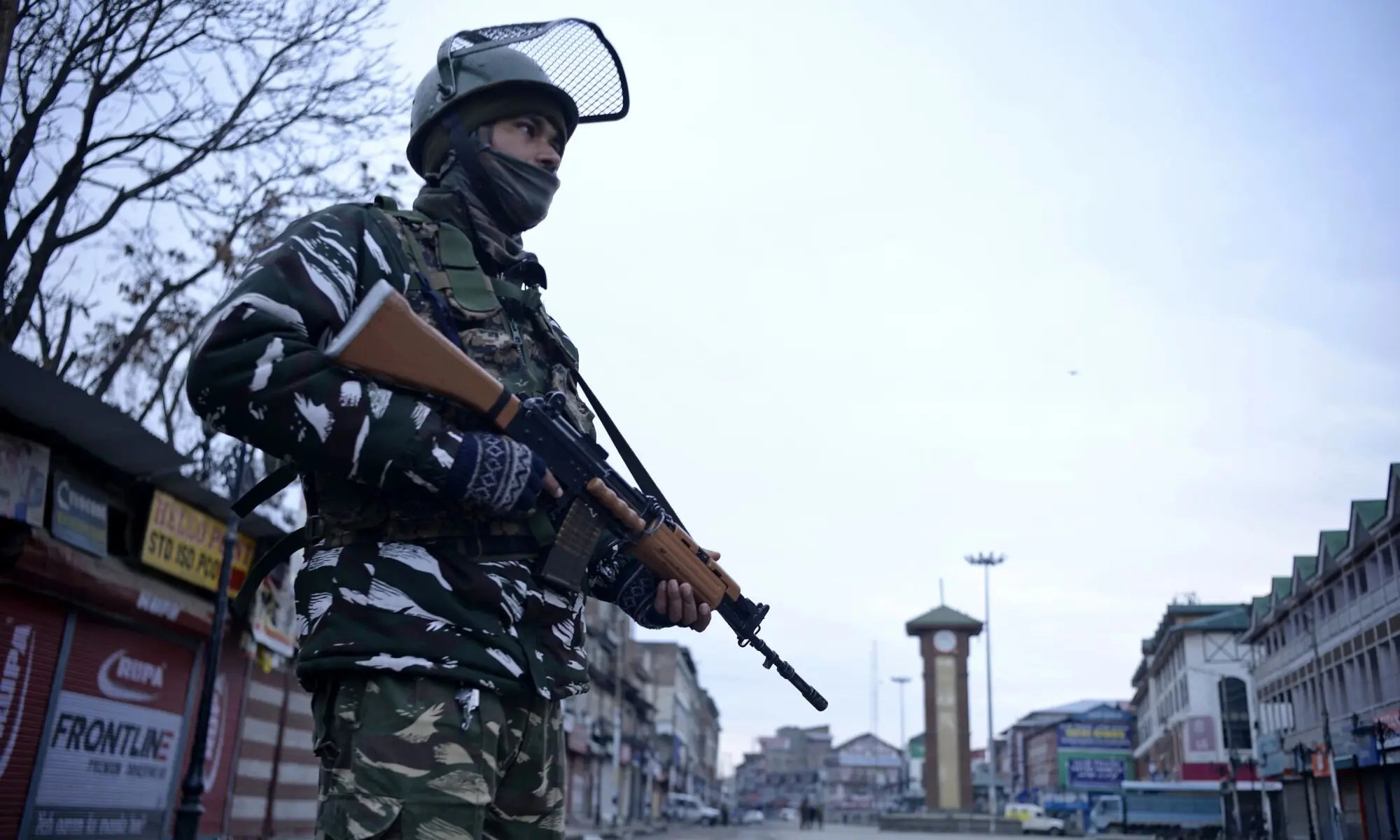
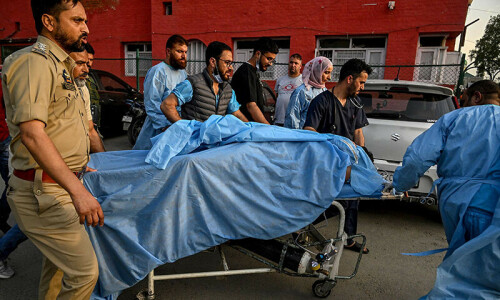
MUMBAI: Indian troops killed three young men in Kishtwar district of occupied Kashmir on Sunday.
An Indian army statement said three fighters were killed during a military operation in the high-altitude Kishtwar district after it received “credible intelligence of a rebel presence” in the area.
It added that security forces had recovered weapons from the site.
According to state-run Radio Pakistan, the youths were killed in the Chatroo forest area. It added that additional troops were deployed to the area. “All entry and exit points have been sealed,” it reported.
An attack on tourists in occupied Kashmir’s Pahalgam on April 22 last year resulted in the death of 26 people. While New Delhi blamed Islamabad for the attack without evidence, Pakistan denied involvement, with the foreign ministry questioning the credibility of India’s account of the events and saying it was “replete with fabrications”.
A day after the attack, India decided to immediately hold the Indus Waters Treaty in “abeyance”. For its part, Pakistan termed any attempt to suspend its water share under the treaty an “act of war”, noting the treaty had no provision for unilateral suspension.
Under the 1960 Indus Waters Treaty, three rivers that flow westwards — Indus, Chenab and Jhelum — were awarded to Pakistan, with India getting three eastern-flowing rivers of the Indus Basin.
Roughly two weeks after the Pahalgam incident, India launched a series of strikes in the early hours of May 7 across Pakistan.
Both sides used fighter jets, missiles, artillery and drones during the four-day conflict, killing dozens of people, before agreeing to a ceasefire.
Published in Dawn, February 23rd, 2026