Liaquat Bagh loses historic glory amid encroachments


 0
0
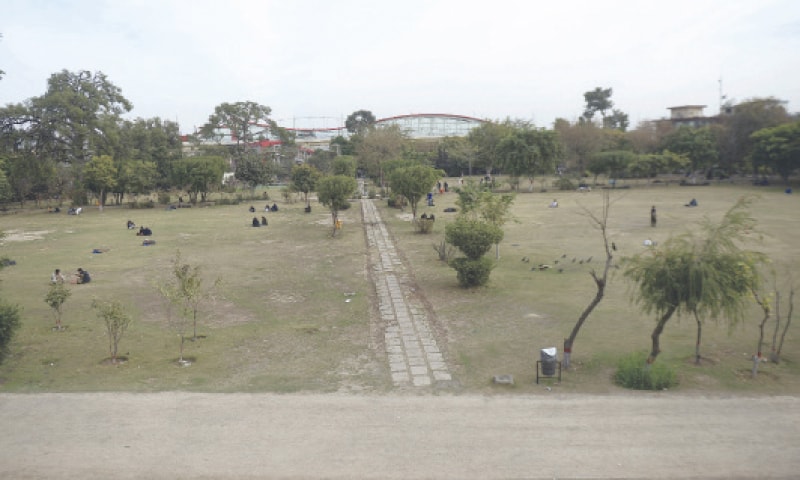

Once the main ground and garden of Liaquat Bagh, where the founder of the country, Quaid-i-Azam Mohammad Ali Jinnah, and other leaders held public gatherings, was the identity of Rawalpindi and a symbol of its past glory.
However, the park has lost its identity due to the shrinking of its land in the name of development.
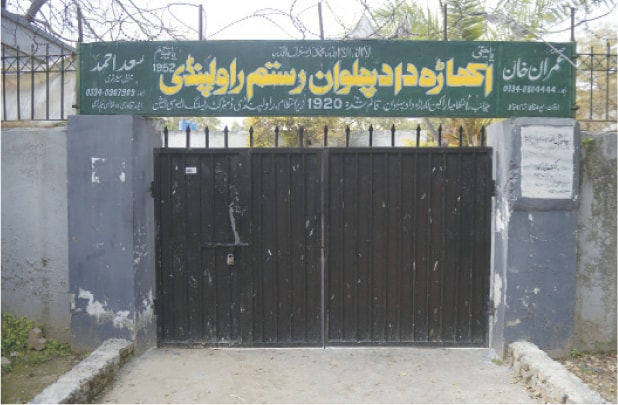
In 1851, the Marquis of Dalhousie permanently occupied Rawalpindi. This led to the stationing of Queen Victoria’s troops, known as Her Majesty’s 53rd Regiment, in the city. Subsequently, the British Army laid the foundation of many new buildings and offices, as well as the main garden spread over 30 acres of land.
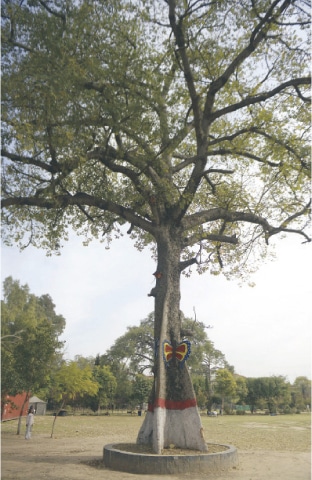
Before the partition of the Indian subcontinent, the garden was famous for its green environment and for hosting political gatherings of Muslim, Hindu and Sikh leaders. Quaid-i-Azam Mohammad Ali Jinnah addressed a large public gathering at the park in 1936.
Liaquat Bagh also witnessed political gatherings of subcontinental Muslim and Hindu leaders, including Jawaharlal Nehru, Mohandas Karamchand Gandhi and Maulana Abdul Kalam Azad. It also became the site where two former prime ministers were assassinated.
The park gained its post-independence historic significance, and its current name after Pakistan’s first prime minister, Liaquat Ali Khan, who fell to an assassin’s bullets while addressing a public meeting there on October 17, 1951.
Shortly after the tragedy, a hall was built in the park grounds in his memory. The Pakistan National Council of the Arts managed the cultural monument until 2006, when it was handed over to the National College of Arts and the Rawalpindi Development Authority.
A year later, the Muslim world’s first woman prime minister, Benazir Bhutto, was assassinated in a gun-and-bomb attack as she left Liaquat Bagh after addressing an election rally.
Her father, former prime minister Zulfikar Ali Bhutto, who was later hanged, was accused of perpetrating a massacre at a rally of the opposition National Awami Party at the same place in 1973.
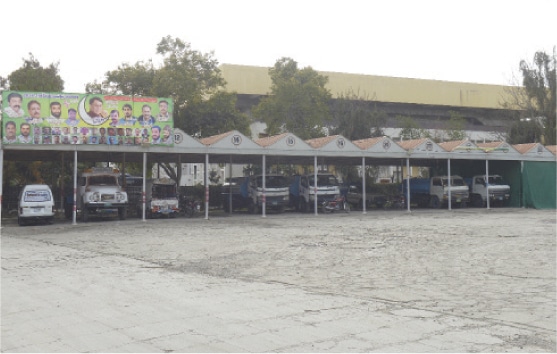
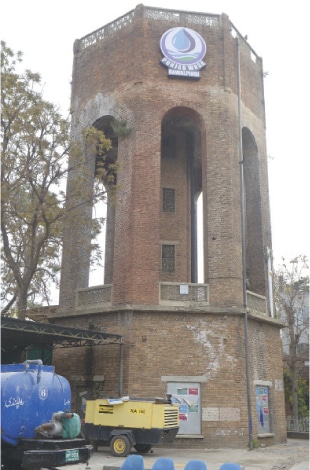
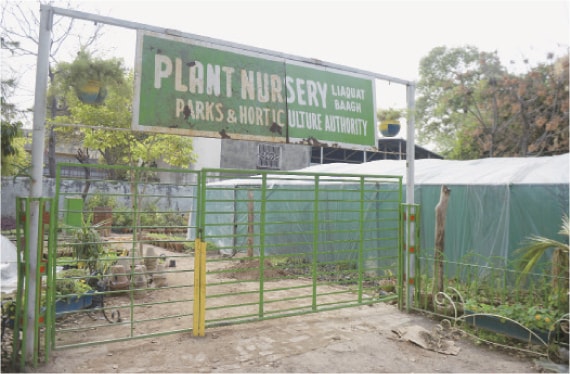
More than 80 per cent of the area historically part of Liaquat Bagh has been occupied. One side of the land has been taken over by the Rawalpindi Waste Management Company and the other by the Water and Sanitation Agency for water tankers. Meanwhile, a Police 15 office was established at the front, and the Metro Bus Station has also reduced its size.
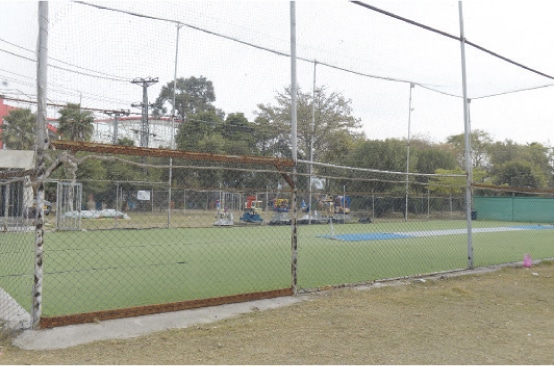
Due to encroachments, the size of Liaquat Bagh has shrunk to 52 kanals, and its land is still being encroached upon by the government in the name of development. In earlier years, it had the capacity to accommodate more than 80,000 people. Now, only a few thousand people assemble in the park, and most political parties avoid holding gatherings there.
Abdul Majeed, a resident of the garrison city, said he migrated from Indian Punjab to Rawalpindi after 1947. He was 10 years old at the time and spent most of his time in Company Bagh.
He added that mostly Eid prayers and funerals are now held in the park.
Ali Raza, a resident of Raja Bazaar, said he spent his summer evenings and winter afternoons in the park during his teenage years. He said it was a gift for the people to enjoy games and walks.
When contacted, Parks and Horticulture Authority (PHA) Director General Ahmed Hassan Ranjha said the PHA had made a new plan to refurbish the historic park and had sent a proposal to the Punjab government. He said the PHA planned to improve the overall condition of Liaquat Bagh and other parks in the garrison city at a cost of Rs800 million.
He said that if the provincial government approves the project, work will start in the next fiscal year 2026-27.
He added that the PHA would establish a monument, improve the lawns and plant more trees to enhance the environment so that people from the inner city can spend quality time there.
Published in Dawn, February 16th, 2026