Cuts in solar power benefits on the cards
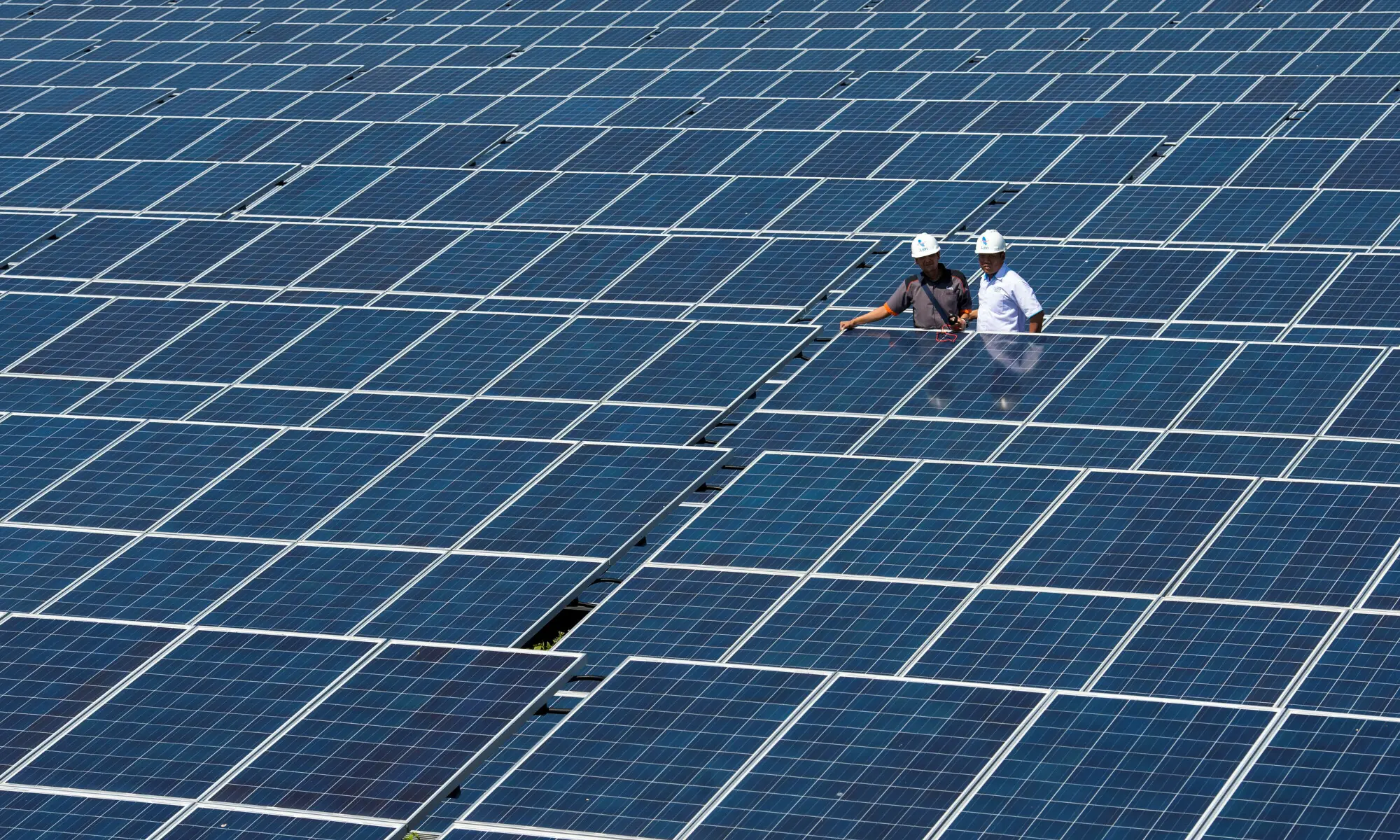

ISLAMABAD: The National Electric Power Regulatory Authority (Nepra) has decided to hold a public hearing on proposals to curtail benefits for solar net-metering consumers — known as prosumers — amid concerns that unaffordable tariffs and persistent inefficiencies are undermining the power utility business.
The regulator has now scheduled a public hearing for February 6 after receiving comments from stakeholders, including the general public, government ministries, departments, power utilities and representative organisations. In a public notice, Nepra invited all stakeholders to attend the hearing on Friday and present their views.
Nepra has already issued draft rules seeking to reduce the size, duration and repayment rates of net-metering arrangements after the government repeatedly backtracked on changes to the solar power policy following public criticism. Earlier, the Economic Coordination Committee of the cabinet had approved similar proposals at the request of the Power Division, but these were blocked by the prime minister at the cabinet stage due to public backlash.
Because of expensive, unreliable and inefficient utility services, daytime electricity demand from distribution companies has failed to keep pace with growth in night-time consumption. This imbalance has created grid stability challenges, as generation has to be rapidly ramped up after sunset and scaled back during the day, while also exacerbating financial pressures.
Public hearing set for Feb 6 to discuss slashing incentives for solar net-metering users
The draft Prosumer Regulations 2025, issued at the government’s behest, propose repealing the Alternative and Renewable Energy Distributed Generation and Net Metering Regulations of 2015. The revision aims to strike a “balance” between the interests of utilities and consumers by allowing households to hedge against unaffordable tariffs without turning net metering into a profitable business.
Under the proposed framework, prosumers would not be allowed to install solar systems exceeding their sanctioned load, effectively cutting permissible solar capacity by up to 50 per cent. For instance, a consumer with a sanctioned load of 10 kilowatts would only be allowed to install a 10kW solar system.
Currently, prosumers are entitled to install solar capacity of up to 150pc of their sanctioned load, allowing a 10kW consumer to set up a 15kW system. Existing consumers will remain unaffected until the expiry of their current seven-year contracts, after which they will be governed by the new rules.
The revised regulations would apply to installations ranging from one kilowatt to one megawatt, bringing all such systems under Nepra’s direct regulatory and licensing domain. At present, consumers with systems below 25kW are licensed directly by distribution companies.
The proposed rules also reduce the life of net-metering contracts from seven years to five, with renewal for another five years subject to mutual consent of the distribution company and the consumer, and without any binding obligation.
Another major change involves payments for surplus electricity supplied to the grid. Prosumers would be paid the national average energy purchase price, estimated at around Rs13 per unit, instead of the current rate of about Rs26 per kilowatt-hour.
The billing mechanism would shift from net metering to net billing. Electricity imported from the grid would be charged at the applicable consumer tariff, while exported electricity would be credited at the national average energy purchase price. Excess credits could be carried forward or settled quarterly.
This comes despite Nepra’s own assessment that the quality of service provided by distribution companies remains sub-optimal. The regulator has noted that heavy taxes, levies and surcharges inflated electricity costs, pushing consumers towards decentralised and off-grid solutions and weakening demand for grid-based power. Nepra says on-grid solar installations have crossed 6,000MW, while total solar capacity, including off-grid systems, has exceeded 13,000MW.
The draft regulations also propose clearer procedures, stricter technical standards and a revised billing methodology to better integrate small-scale generation into the national grid while safeguarding system stability.
Published in Dawn, January 31st, 2026