Govt steps up efforts to revive rice exports
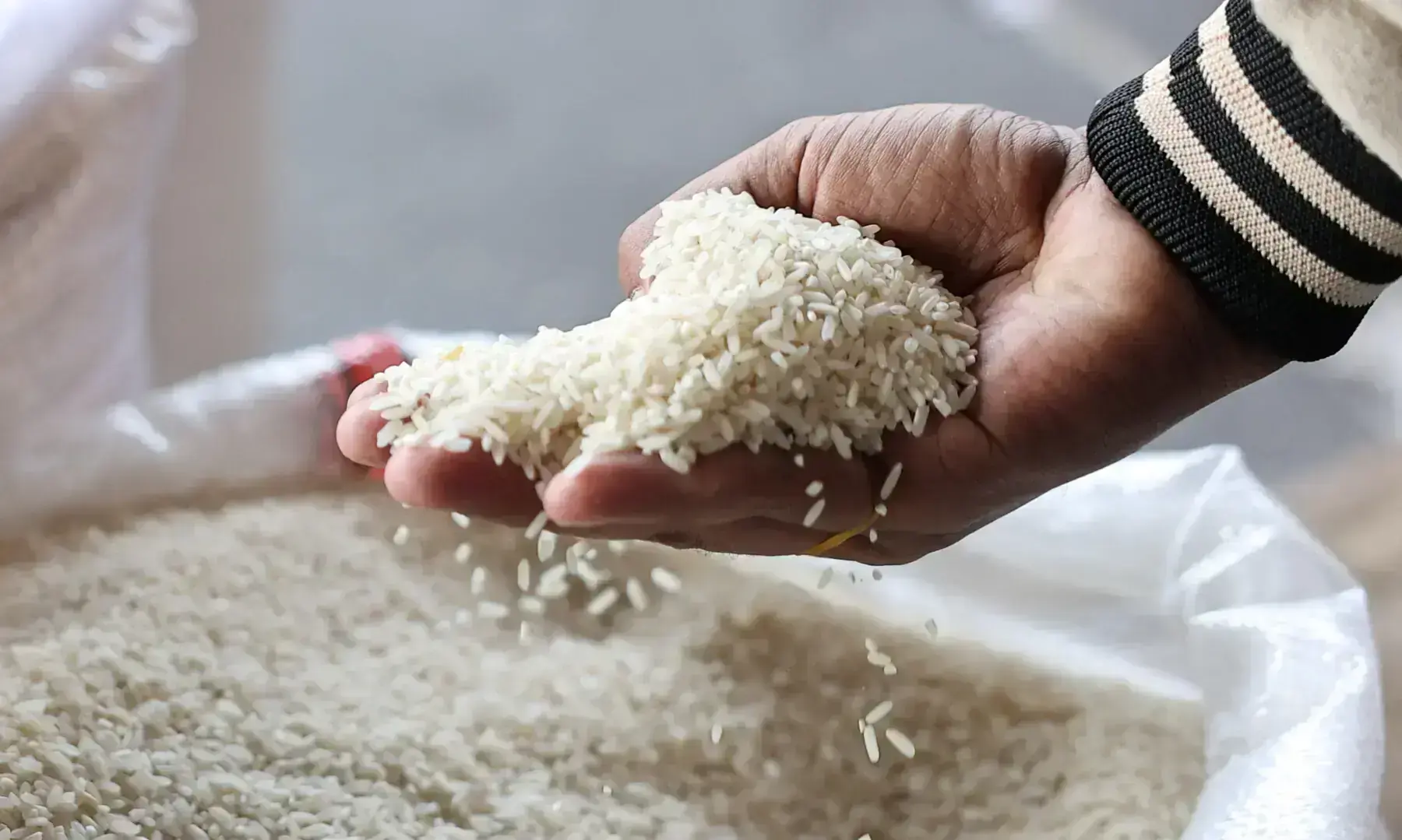

ISLAMABAD: With rice exports under pressure, the commerce ministry has stepped up diplomatic outreach to expand market access by engaging Islamabad-based ambassadors of major rice-consuming countries, hoping to arrest and reverse the downward trend.
Prime Minister Shehbaz Sharif has tasked Commerce Minister Jam Kamal Khan with holding meetings with key trading partners to explore fresh opportunities for rice exports. In this connection, the minister on Wednesday met Turkish Ambassador Dr Irfan Neziroglu to discuss ways to boost shipments to Turkiye.
The meeting followed similar engagements with the ambassadors of Indonesia and the Philippines, as part of a broader push to secure new markets and stabilise export volumes.
The government has already announced a Rs15 billion rebate to support export prices and help Pakistani rice compete globally. However, local market prices rose sharply within days of the announcement, raising concerns that higher domestic rates could further dent exports.
According to an official statement issued after the meeting, Pakistan has recorded a strong rice harvest this season, ensuring both quality produce and sufficient exportable surplus. The minister noted that aggressive pricing by competing exporters — particularly India and Vietnam — has intensified competition in global markets, exerting downward pressure on prices despite Pakistan’s steady export volumes.
Mr Kamal told the Turkish side that the government had developed a pricing support mechanism to maintain competitiveness. Pakistan, he said, was prepared to match prevailing global prices so that buyers would not face cost disadvantages when sourcing rice from the country.
He emphasised that Pakistan could supply both basmati and non-basmati rice to Turkiye at internationally competitive rates, and urged Ankara to consider increasing import volumes from Pakistan as a special case.
Both sides discussed activating government-to-government trade channels alongside existing private-sector mechanisms.
Published in Dawn, January 29th, 2026