Extreme cold grips millions as US digs out of deadly snowstorm
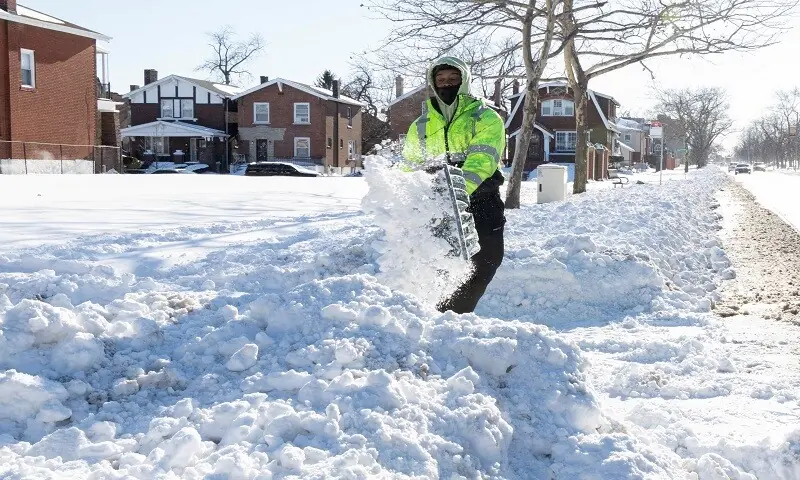


Perilously cold temperatures threatened millions of Americans on Monday in the wake of a sprawling winter storm that left at least 23 people dead as it knocked out power and paralysed transportation.
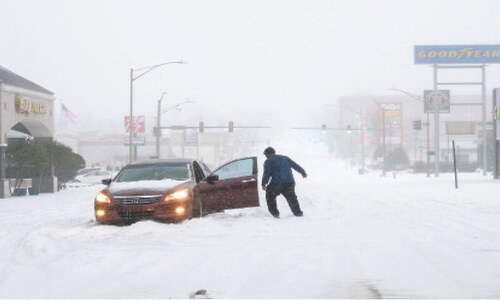
A frigid, life-threatening Arctic air mass could delay recovery as municipalities from New Mexico to Maine tried to dig out following the storm, which dropped a vicious cocktail of heavy snow and wind, along with freezing rain and sleet.
Forecasters warned that much of the northern half of the country will see temperatures that are “continuously below freezing through February 1,” and “record low temperatures tonight across the South are particularly dangerous in the wake of the weekend winter storm with many still without power,” the National Weather Service said in an X post.
While skies began clearing in parts the country, relentless snowfall in the northeast meant parts of Connecticut saw over 22 inches of snow, with more than 16 inches recorded in Boston, Massachusetts.
The storm was linked to at least 23 deaths, according to a compilation of state government and local media reports, with causes including hypothermia as well as accidents related to traffic, sledding, ATVs and snowplows.
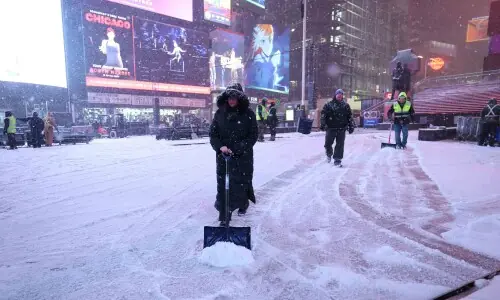
One man was found in the snow, unresponsive, with a shovel in his hand.
In New York City, eight more people were found dead amid plummeting temperatures, and an investigation to determine the causes was underway. It was not known if all of these fatalities were storm-related.
Electricity began blinking back on across the south, but as of Monday evening, well over 550,000 customers remained without it, according to the tracking site Poweroutage.com.
Tennessee, Texas, Mississippi and Louisiana — southern states unaccustomed to intense winter weather — were especially impacted.
Approximately 190 million people in the United States were under some form of extreme cold alert, the National Weather Service (NWS) told AFP.
The Great Lakes region’s residents woke up to extreme temperatures that could cause frostbite on exposed skin within minutes. In parts of Minnesota and Wisconsin, the NWS reported early Monday morning temperatures as low as -23F (-30.6C), with windchills exacerbating the bite.
Over the weekend, nearly half of the states in the contiguous US received at least a foot of snow (30.5 cm), and in many cases, far more.
The NWS said New Mexico’s Bonito Lake accumulated the highest US total over the weekend with 31 inches (78.7 cm).
Nashville Mayor Freddie O’Connell told journalists that trees were continuing to fall under the weight of encrusted ice across the Tennessee capital city — sometimes knocking out power that had already been restored.
Nashville and other municipalities across the country were establishing emergency warming shelters.
NWS meteorologist Allison Santorelli told AFP this storm recovery was particularly arduous because so many states were impacted — meaning northern states with more winter supplies were unable to share their resources with less-prepared southern regions.
“A lot of those locations don’t have the means or the resources to clean up after these events,” she said.
“We’re particularly concerned about the folks in those areas that are without power right now.”
Polar vortex
At least 20 states and the capital Washington, were under states of emergency in order to deploy emergency personnel and resources.
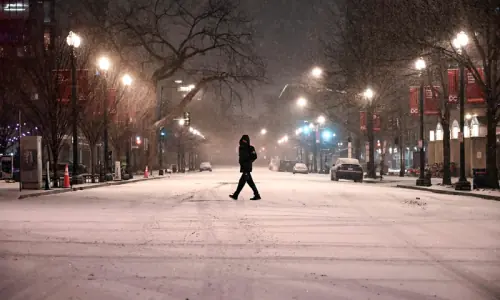
The snowfall and biting icy pellets that pummeled cities left impassable roads along with canceled buses, trains and flights – thousands of departures and arrivals were scrapped over the weekend.
The storm system was the result of a stretched polar vortex, an Arctic region of cold, low-pressure air that normally forms a relatively compact, circular system but sometimes morphs into a more oval shape, sending cold air pouring across North America.
Scientists say the increasing frequency of such disruptions may be linked to climate change, though the debate is not settled and natural variability plays a role.
Dave Radell, a NWS meteorologist based in New York, told AFP that the character of this storm’s snow was “very dry” and “fluffy,” meaning the wind could lash it around with ease, impeding roadway-clearing efforts and visibility.
“That makes it even more challenging,” he said.