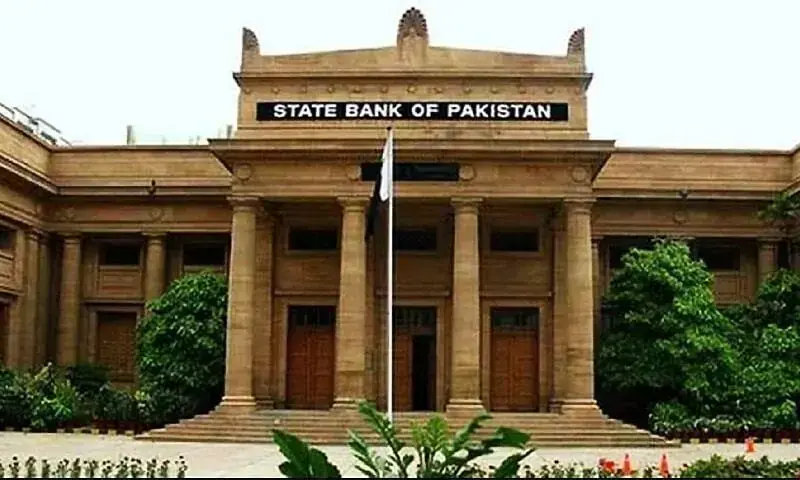


KARACHI: The State Bank of Pakistan (SBP) on Friday cancelled the licence of another exchange company over serious violations of regulatory instructions, a move currency dealers say is part of a broader plan to give more space to bank-owned exchange companies.
At least three exchange companies lost their licences in 2025, while Glaxy Exchange became the first casualty of 2026.
“The State Bank has, with immediate effect, cancelled the authorisation/licence of M/s Glaxy Exchange (Private) Limited on account of serious violations of SBP’s regulatory instructions. The exchange company, including its head office and outlets, can no longer undertake any kind of foreign exchange-related business activity,” said an SBP notification.
Sources in the financial market dealing with currency exchange said the SBP governor had recently hinted at closing at least four exchange companies in 2026. However, the central bank did not specify the nature of the violations, while exchange companies said the issue was related to compliance, which has become common under the current regulatory framework.
“We have been facing a serious burden of ‘over-regulation’, and most exchange companies are spending most of their time just to remain compliant with SBP requirements,” said an exchange company owner in Karachi.
At least three exchange companies lost licences in 2025
The owner of Glaxy Exchange could not be contacted, but a former employee said the company had been incurring losses for more than a year and was seeking a buyer, similar to United Bank Limited’s acquisition of Wall Street Exchange Company a few years ago. That deal was reportedly finalised at Rs1.5 billion, and the company had the largest branch network in the country.
Glaxy Exchange has around 15 to 16 branches nationwide, but its financial position had weakened as currency trading volumes declined sharply over the past three years due to strict monitoring of dollar movements.
“About 90 per cent of exchange companies posted losses in 2025,” said another currency dealer. He added that while the SBP was encouraging mergers among exchange companies, it was simultaneously asking banks to expand their exchange branch networks to as many as 100 branches per bank.
Exchange companies said the SBP appeared keen to reduce the number of individually operating exchange companies, despite them being regulated by the central bank. When asked why the SBP was closing most exchange companies, dealers said bank-owned exchange companies did not function like independent firms and charged customers higher margins. They added that banks were currently not very interested in the business due to relatively low profits compared to their core banking operations.
The SBP has also raised the paid-up capital requirement for exchange companies from Rs600 million to Rs800m, making the formation of new exchange companies nearly impossible, while banks can easily meet the higher capital threshold.
Published in Dawn, January 24th, 2026