0
0

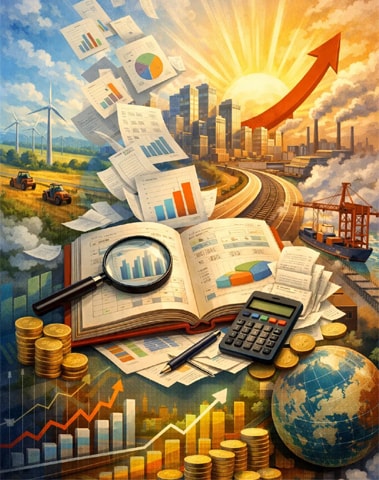
DEVELOPED countries happen to be documented economies. In simple words, income earned by an individual or an organisation by default has a trail through banking channels. Across England, for instance, if you board a bus or train, one has to either pay fare via a travel card or a contact-less bank card. Travel and bank cards are registered in owner’s name, and help the government track the movement of money. A shop without a debit or credit card payment facility triggers customer resentment and business suffers.
Taxes are paid religiously to the national exchequer, and, in case of a breach, zero tolerance is manifested. Hefty penalties are slapped and even legal prosecution is not ruled out. The government in Pakistan is taking steps in right direction to document the country’s economy. For a couple of years, people may find it hard to cope with this change. Traders and people may protest. It should not mean that efforts should be halted to streamline Pakistan’s economy. Battling corruption, tax evasion and influence of all sorts is the only way to put the economy on the right track. Pakistan’s sovereignty is linked with its economic strength. And economic strength can only be gained by first putting the house in order.
As an overseas British Pakistani, I see light at the end of the tunnel only if the government and the state put their heads together to rebuild Pakistan’s economy, imposing hash penalties on those who are found working against such efforts.
Shahzad Lodhi
London, UK
Published in Dawn, January 19th, 2026