Italian PM urges Nato to coordinate in Arctic
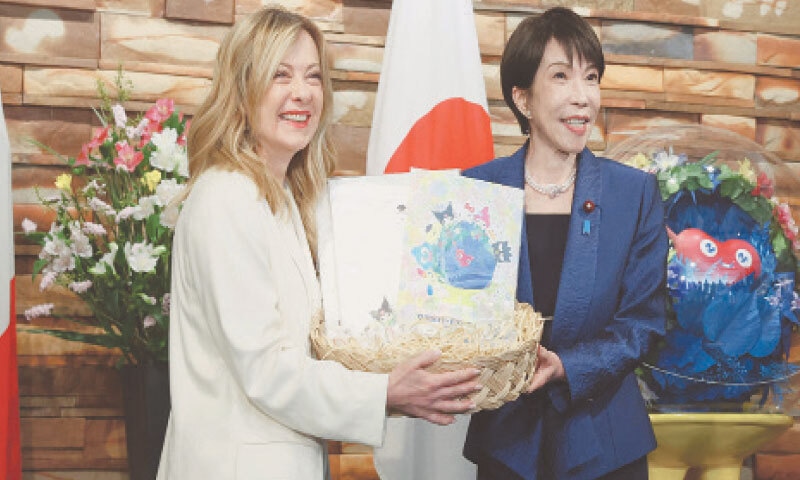
ROME: Italy’s Prime Minister Giorgia Meloni urged Nato on Friday to develop “a coordinated presence” in the Arctic region to prevent tensions and respond to “interference by other actors”, amid escalating tensions among Western allies over Greenland.
In a letter read during the presentation of an Italian government paper on the Arctic, Meloni said the region was becoming increasingly important due to the development of new sea routes and its huge “energy and mineral resources”.
Italy has had observer status on the Arctic Council that oversees the region since 2013 and updated its policy amid recent US-Danish tensions over Greenland, which sharpened focus on the area.
President Donald Trump has renewed calls for American control of Greenland to prevent Russia or China from occupying it. The island, an autonomous territory of Denmark, rejected the idea in talks held in Washington this week, exposing “fundamental” differences.
Focus on Russia and China
“We are an observer country in the Arctic Council and have always upheld respect for international law, beginning with the UN Convention on the Law of the Sea,” Meloni said.
The Italian policy document pointed to Russia’s renewed focus on the Arctic, which included a build-up of its military presence there.
“This more assertive posture ... combined with the clear demonstration of the violation of the principle of the inviolability of borders shown in Ukraine, first led Nato and subsequently the European Union to react,” the document said.
Italy’s document also flagged China’s attempt to raise its Arctic profile as a self-declared “near-Arctic state”, including growing interest in shipping along the Northern Sea route and closer ties with Moscow that extend to military matters.
Published in Dawn, January 17th, 2026