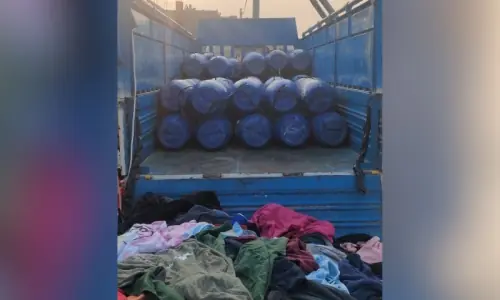
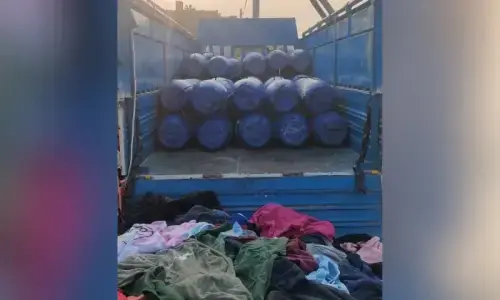
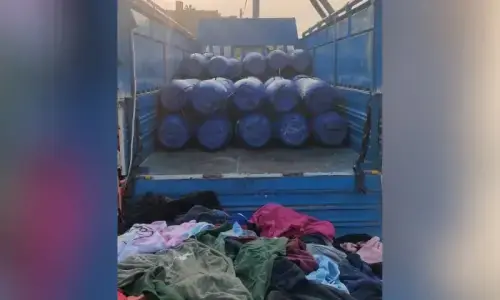
SECURITY agencies have prevented what could have been one of the most devastating terror attacks Karachi has faced in years. Acting on intelligence gathered over several weeks, counter-terrorism officials intercepted a truck loaded with 2,000kg of explosive material, along with detonators, cylinders and other components. Three suspects are now in custody.
Had the device reached its destination, the consequences could have been catastrophic. The details show that this was not a hasty or improvised plot. The suspects had rented a property on the outskirts of the city, kept their activities hidden, and transported explosive material over nearly 1,000km. According to investigators, the explosives were sourced from across the Afghan border, moved into Balochistan and then brought onwards to Karachi. The alleged involvement of the banned BLA shows how determined terrorist outfits remain and how they see urban centres as high-impact targets.
Karachi was clearly chosen for its symbolic and practical value. As Pakistan’s economic and commercial centre, an attack here would have caused fear far beyond the blast site. It would have disrupted business activity, shaken investor confidence and deepened public anxiety at a time when the country can least afford further instability. Preventing the attack before the explosives could be deployed underlines the importance of intelligence-led operations that focus on stopping violence before it occurs.
The case also reinforces the importance of coordination between security and intelligence bodies. According to the DG ISPR, the Karachi plot came to light because multiple agencies shared and combined information. This kind of cooperation is essential when terrorist networks operate quietly across regions and use long supply routes that are difficult to trace.
The claim that explosive material was transported from across the Afghan border adds to long-standing concerns about terrorists exploiting external space to plan and supply attacks. While such assertions must always be examined carefully, this case shows why Pakistan should continue raising the issue diplomatically, while strengthening its own defences.
At the same time, the incident exposes weaknesses. The alleged use of fertilisers and chemicals, and the ease of renting property without triggering suspicion, point to gaps in enforcement. Better control of explosive materials, stricter checks on rental housing, and closer monitoring of supply chains are basic but necessary steps. Preventing future plots will depend on staying alert, showing political resolve and enforcing the rules consistently, rather than celebrating isolated successes and moving on.
One truck has been stopped, and countless lives saved. The harder task now is to dismantle the networks, routes and enablers that made such a plot possible in the first place.
Published in Dawn, January 7th, 2026