Unjustified hike in private schools’ fee irks National Assembly committee


 0
0
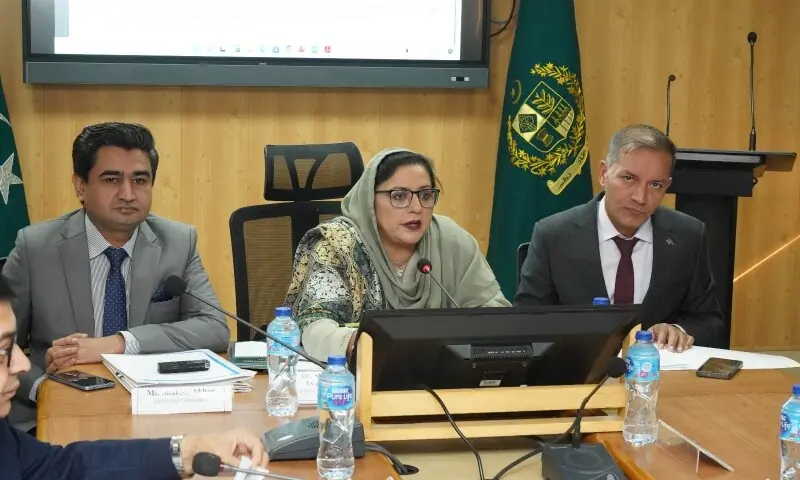

ISLAMABAD: National Assembly Standing Committee on Federal Education and Professional Training on Tuesday criticised the Private Educational Institutions Regulatory Authority (Peira) over the alleged unjustified increase in school fees and raised serious concerns about the fee appraisal mechanism linked to quality assessment.
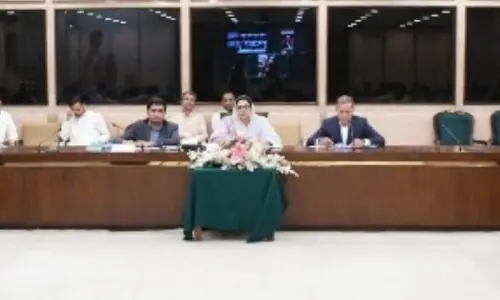
The committee, which met with Dr Shazia Sobia Aslam Soomro in the chair at the Conference Room of the Federal Directorate of Education (FDE), emphasised the need for stricter scrutiny, greater transparency, and effective oversight by Peira to ensure that quality-based appraisals are fair, credible, and serve the interests of students and parents rather than enabling arbitrary fee hikes.
The committee pointed out that the quality assessment framework of private educational institutions was based on seven core indicators, including quality of teaching, classroom learning environment, infrastructure and facilities, transparency and public disclosure, administrative and operational capacity, cleanliness and discipline, and safety and security. Members stressed that any fee increase must be directly linked to genuine improvements in these areas and should not place undue financial burden on parents.
The body was informed that the Memoranda of Understanding (MoU) signed with non-governmental organisations (NGOs) have been vetted by the law ministry and include provisions for compliance with the notified minimum wage.
Body cites absence of quality education, improvements in facilities; directs that employees working in govt or NGO-run schools must get full minimum wage
Committee members emphasised that all employees working in government schools funded or operated through NGOs must be paid salaries strictly in accordance with the minimum wage laws, without any exception.
The committee recommended that all buildings presently under the administrative control of the Directorate General of Special Education (DGSE) be formally handed over to DGSE to ensure their effective utilisation exclusively for the education, rehabilitation, and welfare of children with special needs.
The committee emphasised that these facilities must be used solely for their intended purpose. The panel further stressed that the transfer of control would enable DGSE to improve service delivery, enhance institutional capacity, and provide a more conducive learning environment for children with special needs.
Further, a reminder was given in December 2025 to Baitul Mal to vacate the DGSE building. The committee was informed that, in collaboration with NAVTTC, children with special needs are provided skill training to empower them with skills and connect them with income generation.
Meanwhile, the committee was briefed that, in pursuance of Pakistan’s obligations under various Articles of the Convention on the Rights of the Child (CRC), the Ministry of Federal Education and Professional Training has undertaken a range of initiatives aimed at ensuring the protection, development, and well-being of children.
These measures include the provision of free education and transport facilities, implementation of school-based free meal programmes, and strengthening of national immunisation, vaccination, and de-worming programmes to safeguard children’s health. In addition, focused interventions have been introduced to promote the mental health and emotional well-being of children within the education system.
The meeting was attended by MNAs including Anjum Aqeel Khan, Syeda Amnah Batool, Zeb Jaffar, Farah Naz Akbar (Parliamentary Secretary), Dr Shazia Sobia Aslam Soomro, Mussarat Rafique Mahesar and Abdul Aleem Khan and concerned government officials.
Published in Dawn, January 7th, 2026