India’s top court denies bail to Muslim student leader Umar Khalid
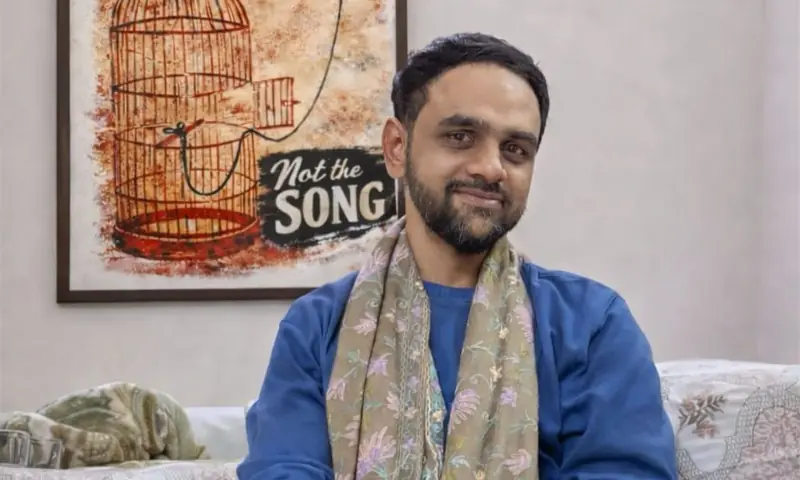
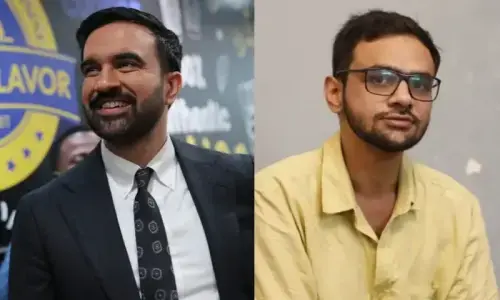
India’s Supreme Court denied bail on Monday for former student leader Umar Khalid, who has been detained for more than five years on charges of conspiracy to trigger deadly riots.
Khalid, 38, was arrested in September 2020 under a sweeping anti-terrorism law and has remained in custody since, aside from brief releases to attend family weddings.
His case has become a touchstone for critics who say India’s more than 200 million Muslims face discriminatory treatment in the Hindu-majority nation.
Khalid was detained after the February 2020 sectarian riots in Delhi when 53 people were killed — mostly Muslims, but also several Hindus.
The Supreme Court in New Delhi dismissed his appeal for bail, saying that “prolonged incarceration” was not grounds to grant him release.
It also denied bail on the same grounds to another student activist, Sharjeel Imam.
But it approved bail for five others in the same case.
Khalid, a former student at Delhi’s prestigious Jawaharlal Nehru University, was charged with rioting with a deadly weapon, as well as attempted murder, sedition and causing enmity between different groups.
He denies all charges.
Police also accused Khalid of delivering “provocative speeches” ahead of the riots.
In 2022, he published an open letter saying that “we can be kept in jail for years, without those framing us needing to prove anything”.
His partner, Banojyotsna Lahiri, has said that Khalid “became the victim of the injustice that he always fought against”.
Amnesty International and six other rights groups issued a statement in September calling for the release of Khalid.
“Khalid’s prolonged persecution exemplifies the derailment of justice in India, as it makes a mockery of international human rights principles,” Amnesty said in a statement to mark Khalid’s fifth year in prison.
Khalid’s arrest came months after protests against India’s contentious Citizen Amendment Act (CAA).
The 2019 law makes it easier for persecuted religious minorities from three neighbouring countries to obtain citizenship, but not if they are Muslim.