VIOLENCE feels routine in Pakistan. The security situation deteriorated sharply in 2025, marking the fifth consecutive year of rising terrorism. According to the Pakistan Security Report 2025 by PIPS, the country recorded 699 terrorist attacks, a 34pc increase over 2024. These attacks killed 1,034 people and injured 1,366, reflecting a 21pc rise in fatalities. Overall conflict-related violence — including terrorist attacks, counterterrorism operations, border clashes, and abductions — rose to 1,124 incidents, up 43pc from 2024. These incidents can no longer be viewed as setbacks. They point to a crisis that is expanding in scale and becoming harder to control.
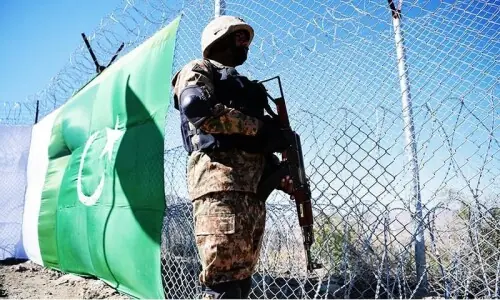
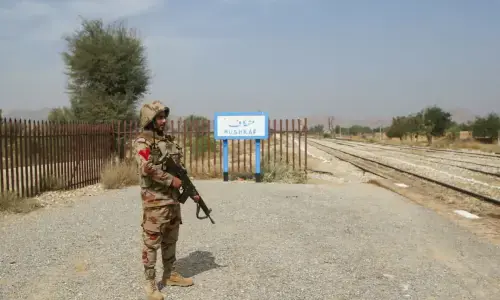
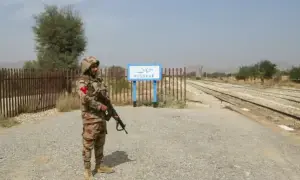
The most striking shift is who is being targeted. Security personnel now make up a large share of those martyred in terrorist attacks. Police stations, patrols and checkpoints have come under repeated assault. Military units have also suffered. Terrorists appear focused on exhausting the state, stretching its forces thin and undermining morale. The return of suicide attacks, after some quieter years, reinforces this assessment. Such attacks require planning, resources and confidence, all signs of regrouping rather than desperation.
The violence is also geographically concentrated. Almost all terrorist attacks took place in KP and Balochistan. In KP’s southern districts, attacks on law-enforcement agencies have become common. In Balochistan, insurgents have expanded their tactics beyond hit-and-run attacks to include highway blockades, kidnappings and infrastructure sabotage. It has become clear that the western belt remains the country’s main security fault line.
The state has responded with force. Counterterrorism operations increased sharply, killing over 1,000 militants. But this heavy reliance on kinetic action points to a deeper problem. Despite hundreds of operations, attacks are rising.
Much of this violence is driven by religiously motivated terrorist groups, particularly the TTP, which has regained much of its strength. Terrorists are adapting quickly, using better weapons, night-fighting equipment and drones, often exploiting local grievances, weak governance and gaps in intelligence coordination. The state, meanwhile, is locked into a cycle of reaction.
There is danger in accepting this as the new normal. While civilian deaths fell slightly, violence against the state is growing. That should offer a lesson. A security policy built mainly on raids and reprisals cannot, on its own, deliver lasting peace, especially when ideological militancy, cross-border sanctuaries and political uncertainty remain unaddressed.
More than firepower is needed to break this cycle. Political clarity, civilian governance in conflict-hit areas, and serious regional engagement are no longer optional. Nor are police reforms, intelligence sharing and judicial follow-through. Without them, the country risks sliding into a permanent state of insecurity.
Published in Dawn, January 5th, 2026