New clashes in Iran as protests sparked by rising cost of living enter 2nd week: rights groups
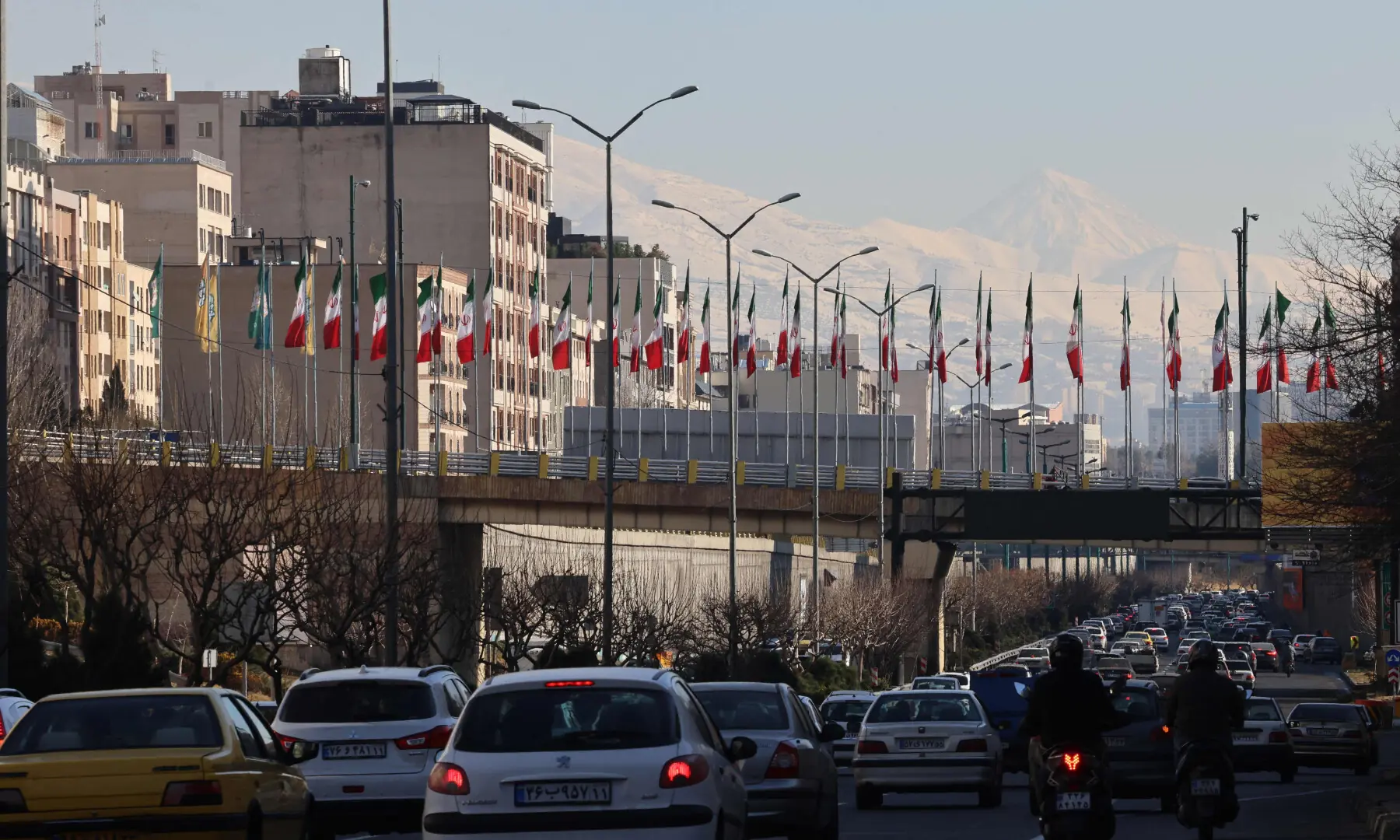
New deadly clashes between protesters and security forces erupted in Iran over the weekend, rights groups and local media said on Sunday, as demonstrations first sparked by anger over the rising cost of living entered a second week.
At least 12 people, including members of the security forces, have been killed since the protests kicked off with a shopkeeper’s strike in Tehran on December 28, according to a toll based on official reports.
Overnight, protests featuring slogans criticising the Islamic republic’s clerical authorities were reported in Tehran, Shiraz in the south, and in areas of western Iran where the movement has been concentrated, according to the US-based Human Rights Activists News Agency (HRANA) monitor.
The demonstrations are the most significant in Iran since a 2022-2023 movement sparked by the death in custody of Mahsa Amini, who had been arrested for allegedly violating Iran’s strict dress code for women.
The latest protests have been concentrated in parts of the west with large populations of the Kurdish and Lor minorities, and have yet to reach the scale of the 2022-2023 movement, let alone the mass street demonstrations that followed the disputed 2009 presidential elections.
But they do present a new challenge for Supreme Leader Ayatollah Ali Khamenei — 86, and in power since 1989 — coming on the heels of a 12-day war with Israel in June that saw nuclear infrastructure damaged and key members of the security elite killed.
The protests have taken place in 23 out of 31 provinces and affected, to varying degrees, at least 40 different cities, most of them small and medium-sized, according to an AFP tally based on official announcements and media reports.
Deadly clashes
The Norway-based Hengaw rights group said that Revolutionary Guards opened fire on protesters in the Malekshahi county of the western Ilam province on Saturday, killing four members of Iran’s Kurdish minority.
The group said it was checking reports that two other people had been killed, adding that dozens more were wounded. It also accused the authorities of raiding the main hospital in the city of Ilam to seize the bodies of the protesters.
The Iran Human Rights NGO, also based in Norway, gave an identical toll of four dead, as well as 30 wounded, after “security forces attacked the protests” in Malekshahi.
Both organisations posted footage of what appeared to be bloodied corpses on the ground, in videos verified by AFP.
Iran’s Mehr news agency alluded to the clashes, saying a Revolutionary Guard was killed in a confrontation with “rioters” at a police office.
“Rioters attempted to storm a police station,” the Fars news agency reported, saying “two assailants were killed”.
In Tehran, sporadic demonstrations on Saturday night were reported in districts in the east, west and south, the Fars news agency said.
Videos verified by AFP showed security forces dispersing protesters who had gathered overnight and blocked a road by overturning garbage cans.
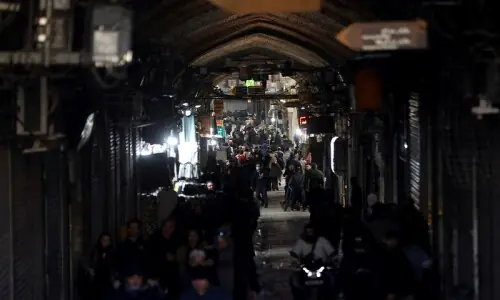
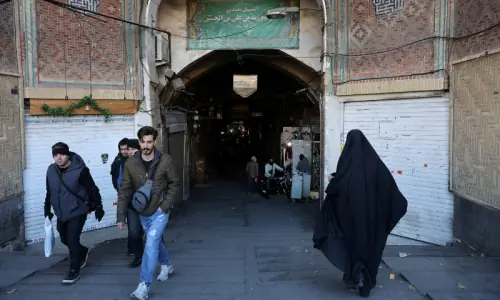
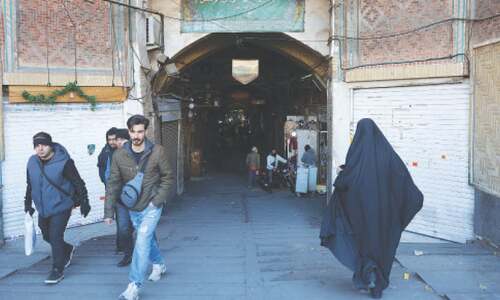
On Sunday, the vast majority of shops were open in the capital, although the streets appeared less crowded than usual, with riot police and security forces deployed at major intersections, AFP observed.
‘Growing confrontation’
The protests began last week with a shutdown by merchants in the Tehran bazaar, an influential economic hub, and spread to other regions as well as universities.
UN special rapporteur on human rights in Iran Mai Sato said on Friday that “reports indicate growing confrontation between protesters and security forces”, and warned the violent response witnessed during the 2022-2023 movement “must not be repeated”.
HRNA said that over the last week, at least 582 people have been arrested.
Hengaw said almost all of those killed were from ethnic minorities, chiefly Kurds and Lors.
United States President Donald Trump said on Friday that the US was “locked and loaded” to respond if Iran killed protesters — a day before the American operation to capture Iran’s ally Venezuelan President Nicolas Maduro.
Iranian Foreign Minister Abbas Araghchi called the remarks “reckless” and warned that the armed forces were “on standby” in the event of any intervention.
Israeli Prime Minister Benjamin Netanyahu, meanwhile, said on Sunday that his country stood in “solidarity with the struggle of the Iranian people”, adding it was possible they were “taking their destiny into their own hands”.
Publicly, Iranian officials, including Khamenei, have taken a conciliatory tone when it comes to protesters’ economic demands, while warning that destabilisation and chaos will not be tolerated.