TIES between Bangladesh and India are experiencing extreme turbulence, especially after the murder of prominent Bangladeshi student leader Sharif Osman Hadi, with his supporters and sympathisers claiming he was killed at India’s behest.
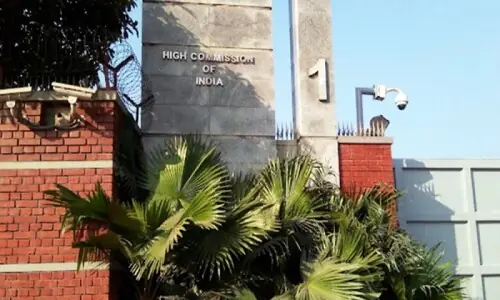
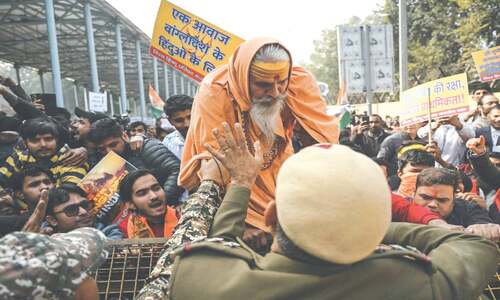
Earlier this week a Hindutva mob tried to storm the Bangladesh high commission in New Delhi, while attacks on Bangladeshi diplomatic missions in other Indian cities have also been reported.
Extremist groups in India such as the VHP are using the tragic lynching of a Bangladeshi Hindu man in Mymensingh as an excuse to target Dhaka’s missions in India. Bangladesh’s interim authorities had summoned the Indian high commissioner in Dhaka to protest against attacks on their missions in India, while Dhaka’s representative in Delhi was similarly summoned in a tit-for-tat exchange.
Bangladesh’s interim foreign minister has said his country’s top diplomat in India had received death threats. The Indian state, meanwhile, has tried to downplay the events, particularly attempts by extremist mobs to target Bangladeshi missions.
During Sheikh Hasina Wajed’s rule, Dhaka and Delhi were very much on the same page. However, anti-India feeling in Bangladesh has erupted after Ms Wajed’s government was toppled last year, with many seeing Delhi as supporting her authoritarian rule.
The fact that Sheikh Hasina fled to India after last year’s uprising has done little to dispel this impression. Moreover, reports that Osman Hadi’s suspected killer escaped to India have further added to the anger.
Perhaps the key reason behind the fraying of ties between both states is India’s patronising attitude towards its neighbours. Delhi should cooperate with Dhaka to trace Hadi’s killers, and should refrain from meddling in Bangladesh’s internal affairs and fanning communal fires.
The fact is that for there to be peace and amity in South Asia, the sovereignty of all states must be respected, and no state must act as if it is the regional hegemon, free to throw its weight around and bully others.
Published in Dawn, December 26th, 2025